Key Points
- Greenwich Council spent £640,000 on a consultation for the “Sustainable Streets” programme, introducing controlled parking zones (CPZs) across a large area from Lee Green in the west to Plumstead and Thamesmead in the east.
- The programme promised more street trees, cycle hangars, and electric vehicle charging points alongside permit and paid parking spaces.
- The council aimed to raise £1 million annually from the scheme to fund transport costs, including the Freedom Pass, as per the budget passed in February 2025.
- Public outcry erupted when plans were introduced in July 2025, with the consultation criticised as confusing and misleading.
- Most plans were scrapped: first in Shooters Hill and Plumstead in August 2025, then in Kidbrooke, Blackheath, Charlton, and west Thamesmead just before Christmas 2025.
- Plans for Woolwich continue, with public notices about works appearing this week and less opposition revealed in the consultation there.
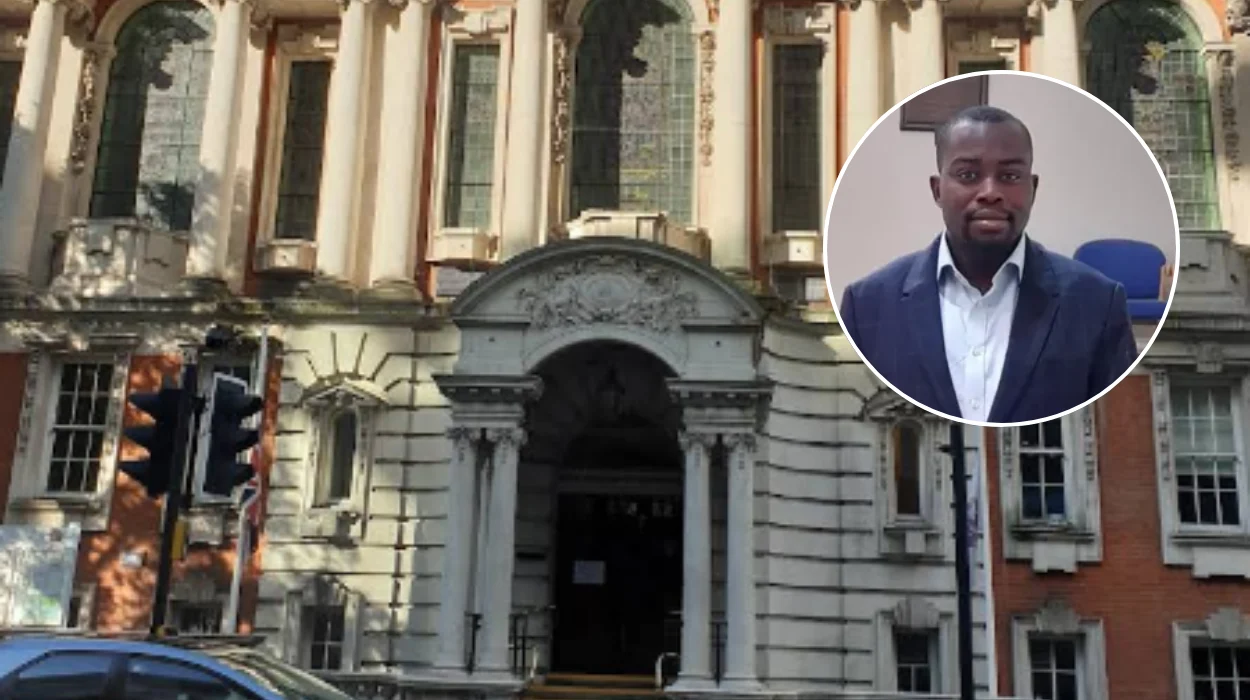
- Consultation costs broke down as £209,000 on the informal consultation, £264,000 on consultancy support, and £167,000 on staffing, as revealed by Cabinet Member for Transport Calum O’Byrne Mulligan at a council meeting on Wednesday.
- Lara Ruffle Coles, a Shooters Hill resident, questioned the lack of a smaller pilot scheme to avoid wasting council tax.
- O’Byrne Mulligan responded that future proposals would cover smaller areas but defended consultation costs as necessary to hear residents’ views properly.
Greenwich (South London News) January 30, 2026 – Greenwich Council, facing financial pressures, allocated £640,000 to consult on its ambitious “Sustainable Streets” controlled parking zone (CPZ) scheme before largely abandoning it last month amid resident backlash. The initiative targeted a vast borough expanse from Lee Green to Plumstead and Thamesmead, incorporating paid parking, permits, additional street trees, cycle hangars, and electric vehicle charging points. Despite hopes of generating £1 million yearly for transport expenses like the Freedom Pass, the plans met fierce opposition, leading to their reversal in most areas except Woolwich.
- Key Points
- What Was the ‘Sustainable Streets’ Programme?
- Why Did Public Backlash Erupt?
- Which Areas Saw Plans Scrapped?
- What Remains in Woolwich?
- How Much Did the Consultation Cost?
- Who Challenged the Spending?
- What Was O’Byrne Mulligan’s Response?
- Why Consult So Expensively Amid Budget Cuts?
- Could a Pilot Have Saved Money?
- What Do Council Documents Reveal?
- How Did Media Cover the Rollout?
- What Are Implications for Future Schemes?
- Broader Context of Council Finances
What Was the ‘Sustainable Streets’ Programme?
The “Sustainable Streets” programme sought to reshape parking and green infrastructure across Greenwich. It proposed CPZs with permit and paid spaces stretching from Lee Green in the west to Plumstead and Thamesmead in the east. Additional features included more street trees to enhance urban greenery, cycle hangars to promote biking, and electric vehicle charging points to support low-emission transport.
As outlined in council documents, the scheme aimed to raise £1 million each year, directed towards transport costs such as subsidising the Freedom Pass for elderly and disabled residents. This revenue projection featured in the budget passed in February 2025, reflecting the council’s strategy to offset financial strains through parking charges.
The programme’s scope was expansive, covering multiple wards and promising environmental benefits alongside revenue. However, its broad ambition later drew scrutiny over costs and resident impact.
Why Did Public Backlash Erupt?
Public outcry intensified when the plans launched in July 2025. Residents labelled the consultation “confusing and misleading,” sparking widespread criticism. The sudden rollout fueled concerns over parking restrictions in neighbourhoods already grappling with limited spaces.
Opposition manifested swiftly, with vocal protests highlighting fears of disrupted daily lives. The consultation’s presentation exacerbated tensions, as many felt it failed to clarify implications clearly. This reaction prompted swift council reconsiderations.
Which Areas Saw Plans Scrapped?
Most of the scheme was abandoned following resident feedback. In August 2025, CPZs in Shooters Hill and Plumstead were axed first, responding to localised fury. Further scrapping occurred just before Christmas 2025, encompassing Kidbrooke, Blackheath, Charlton, and west Thamesmead.
These reversals marked a significant retreat from the original vision. Public notices had already signalled implementation, but opposition prevailed. The phased withdrawals underscored the consultation’s role in gauging sentiment.
What Remains in Woolwich?
Plans for Woolwich persist, bucking the trend. Public notices for works appeared this week, indicating ongoing momentum. Consultation data showed milder opposition here compared to other zones, allowing progression.
This exception highlights varied resident responses across the borough. Woolwich’s continuation suggests targeted adjustments based on feedback. Implementation signals council commitment despite broader setbacks.
How Much Did the Consultation Cost?
The total expenditure reached £640,000, disclosed by Cabinet Member for Transport Calum O’Byrne Mulligan at Wednesday’s council meeting. Breakdowns included £209,000 for the informal consultation, £264,000 for consultancy support, and £167,000 for staffing costs.
As reported by Greenwich Wire, these figures emerged in response to a public question. The spend drew questions on fiscal prudence amid council budget woes. Staffing and external advice dominated outlays.
Who Challenged the Spending?
Shooters Hill resident Lara Ruffle Coles directly confronted O’Byrne Mulligan. She asked if a smaller pilot scheme would have prevented “wasting” council tax. Her query spotlighted alternatives to the large-scale approach.
Coles’ intervention reflected broader resident frustration. It prompted a public exchange on strategy. Her perspective echoed calls for measured rollouts.
What Was O’Byrne Mulligan’s Response?
Calum O’Byrne Mulligan acknowledged lessons learned.
“Going forward, I think we maybe wouldn’t look to cover such a wide area with any future proposals,”
he stated. He defended the process:
“But consultation costs money, and it should be done right so that we can hear the views and represent the views of our residents properly.”
His reply balanced concession with justification. Smaller scopes may feature henceforth. Proper consultation remained non-negotiable for democratic input.
Why Consult So Expensively Amid Budget Cuts?
Greenwich Council faces cash shortages, yet invested heavily here. The £640,000 outlay contrasted with austerity measures elsewhere. Critics question prioritisation when core services strain.
O’Byrne Mulligan’s stance prioritised thoroughness. Costs ensured comprehensive resident input. However, scale amplified expenses.
Could a Pilot Have Saved Money?
Lara Ruffle Coles advocated a pilot explicitly. Testing in one area might have gauged viability cheaply. Wide rollout risked the full spend before backlash.
O’Byrne Mulligan conceded smaller pilots merit consideration. Hindsight validates her point. Pilots could mitigate future wastes.
What Do Council Documents Reveal?
Budget papers from February 2025 projected £1 million revenue. Savings proformas detailed transport funding uses. Links to committees.royalgreenwich.gov.uk confirm ambitions.
Appendices outlined financial models. Freedom Pass support was key. Scrappage undermined projections.
How Did Media Cover the Rollout?
Greenwich Wire tracked developments closely. July 2025 reports deemed CPZs a “done deal” initially. August pieces detailed Shooters Hill and Plumstead halts. December updates confirmed wider scraps.
FoI requests likely surfaced costs. Coverage remained critical yet factual. No other major outlets noted in provided details.
What Are Implications for Future Schemes?
O’Byrne Mulligan signalled scaled-back ambitions. Borough-wide efforts may wane. Woolwich tests viability.
Resident trust hinges on responsiveness. Costs fuel scrutiny. Sustainability goals persist selectively.
Broader Context of Council Finances
Cash-strapped status underscores tensions. £640,000 equals significant services. Taxpayer value debates intensify.
Freedom Pass reliance highlights transport pressures. Revenue hunts continue cautiously.