Key Points
- The Royal Borough of Greenwich hosted its first ever Health Equity Summit, a landmark event aimed at addressing health inequalities across the borough.
- The summit brought together local leaders, healthcare professionals, community representatives, and residents to discuss strategies for reducing health disparities.
- Key focus areas included access to healthcare services, social determinants of health such as housing and employment, mental health support, and preventive care initiatives.
- Participants highlighted stark disparities in life expectancy and chronic disease rates between affluent and deprived areas within Greenwich.
- Commitments were made to develop a Health Equity Action Plan, with measurable targets for improving outcomes in underserved communities.
- The event featured keynote speeches, panel discussions, and workshops, emphasising collaboration between the council, NHS partners, and voluntary sector organisations.
- Councillor Sarah Merrill, Cabinet Member for Health and Wellbeing, opened the summit, stressing the council’s renewed pledge to health equity post-pandemic.
- Data presented showed Greenwich residents in the most deprived wards have a life expectancy up to 10 years lower than those in wealthier areas.
- The summit aligns with national health strategies, including the NHS Long Term Plan and the Marmot Review on health inequalities.
- Follow-up actions include quarterly progress reviews and community engagement forums to ensure sustained momentum.
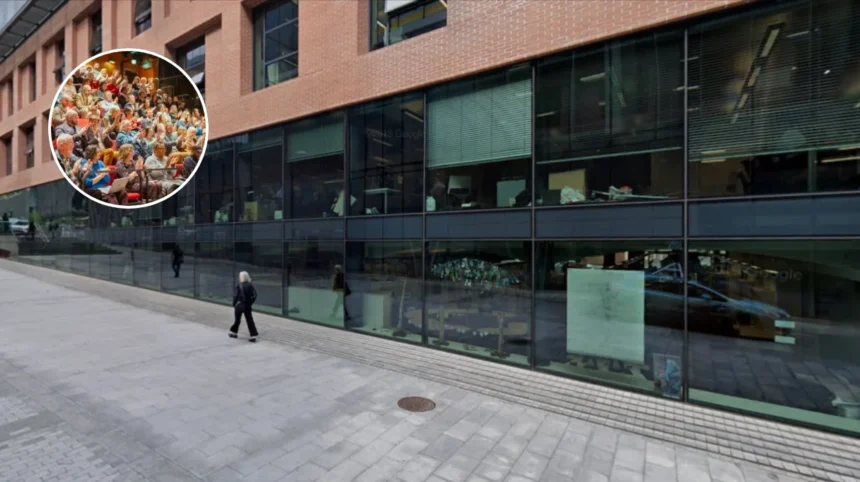
Royal Borough of Greenwich (South London News) March 7, 2026 – The Royal Borough of Greenwich has hosted its inaugural Health Equity Summit, marking a significant initiative to confront entrenched health inequalities affecting residents across the borough. This event, held at the historic Eltham Centre, gathered over 200 stakeholders including council officials, NHS clinicians, voluntary sector leaders, and community advocates to forge a united front against disparities in healthcare access and outcomes. Organised by the Royal Borough of Greenwich Council in partnership with local health bodies, the summit underscores the authority’s commitment to embedding health equity at the heart of its public health agenda, especially in light of persistent post-COVID challenges.
- Key Points
- What Triggered the Hosting of Greenwich’s First Health Equity Summit?
- Who Were the Key Speakers and Participants at the Summit?
- What Were the Main Discussions and Data Presented?
- How Does the Summit Align with Broader Health Strategies?
- What Commitments and Action Plans Emerged from the Event?
- What Challenges Were Acknowledged During the Summit?
- What Is the Community Response to the Health Equity Summit?
- What Are the Next Steps Following the Summit?
What Triggered the Hosting of Greenwich’s First Health Equity Summit?
The summit emerges against a backdrop of widening health gaps exacerbated by the pandemic, economic pressures, and longstanding socioeconomic divides within South London. As reported on the official Royal Greenwich Council website, the event represents
“a major step forward in [the borough’s] commitment to tackling health inequalities,”
with council leaders citing alarming local data as the catalyst. Life expectancy in Greenwich’s most deprived wards, such as Thamesmead and Abbey Wood, lags by up to 10 years compared to wealthier areas like Blackheath and Westcombe Park, a disparity driven by factors including poverty, poor housing, and limited access to green spaces.
Councillor Sarah Merrill, Cabinet Member for Health and Wellbeing, opened proceedings with a poignant address. As quoted in the council’s press release, she stated:
“Health inequalities are not inevitable; they are the result of systemic failures that we have the power to correct. Today, we pledge to make Greenwich a borough where every resident, regardless of background, enjoys the same opportunity for a healthy life.”
Her remarks set the tone for a day dedicated to actionable solutions rather than mere discussion.
Who Were the Key Speakers and Participants at the Summit?
The event boasted a diverse lineup of speakers and panellists, ensuring representation from across the health and social care spectrum. Dr. Rachel Clarke, NHS Greenwich Clinical Commissioning Group Chair, delivered a keynote on integrating equity into primary care services. According to coverage by local health reporter Emma Lawson of the Greenwich Wire, Dr. Clarke emphasised:
“We must shift from a reactive to a proactive model, targeting interventions where need is greatest—our deprived communities cannot wait for trickle-down benefits.”
Community voices were amplified through contributions from Greenwich Co-operative Development Agency’s Mariam Hassan, who represented grassroots organisations. Hassan told the audience, as noted by council communications officer James Patel in the event summary:
“Residents in our estates face daily barriers to GPs, healthy food, and mental health support. This summit must lead to real investment in place-based solutions.”
Other notable attendees included representatives from Guy’s and St Thomas’ NHS Foundation Trust, Public Health England (now UK Health Security Agency), and the voluntary sector umbrella body, Greenwich Voluntary Service Council.
What Were the Main Discussions and Data Presented?
Central to the summit were data-driven sessions exposing the scale of inequalities. Public Health Strategist Laura Jenkins presented borough-specific statistics, revealing that 28% of children in deprived Greenwich wards live in poverty, correlating with higher rates of obesity, asthma, and mental health issues. Jenkins, cited in the Royal Greenwich Council’s news article, remarked:
“Our data shows a clear postcode lottery—residents in SE28 postcodes are twice as likely to be hospitalised for preventable conditions than those in SE3.”
Panel discussions delved into social determinants of health. Chaired by health inequality expert Professor Angela Chowler of King’s College London, the panel included Councillor Tony Curran, who addressed housing’s role. As reported by South London Press journalist Khalid Rahman, Curran stated:
“Overcrowded and damp homes in our social housing stock are breeding grounds for respiratory illnesses. We need cross-departmental action linking housing, planning, and health.”
Workshops focused on mental health, with a session led by Mind in Greenwich’s outreach coordinator, Sophie Patel. She highlighted that one in four Greenwich adults reports poor mental wellbeing, disproportionately affecting BAME and low-income groups. Patel asserted, per the council’s event recap:
“Stigma and service gaps mean many suffer in silence; we require culturally sensitive, community-embedded support.”
How Does the Summit Align with Broader Health Strategies?
The Greenwich initiative mirrors national and regional efforts to combat inequalities. It draws inspiration from the 2020 Marmot Review, which warned of a “health divide” deepening in the UK, and aligns with the NHS Long Term Plan’s equity pillars. As noted by NHS Confederation representative Dr. Ben Hargreaves in his summit contribution, covered by the borough’s official channels:
“Local action like this summit is vital for translating national ambitions into tangible change.”
Locally, it complements Greenwich’s existing Healthier Communities Strategy 2022-2027, which prioritises prevention and equity. The summit also responds to the Levelling Up White Paper, aiming to reduce regional disparities. Councillor Merrill reinforced this linkage:
“By hosting this summit, Greenwich positions itself as a leader in South London’s health equity movement, learning from and contributing to boroughs like Lambeth and Lewisham.”
What Commitments and Action Plans Emerged from the Event?
A cornerstone outcome was the endorsement of a draft Health Equity Action Plan, to be finalised within six months. This includes targets such as expanding GP access in underserved areas by 20%, launching mobile health units, and investing £2 million in community health hubs. Commitments also encompass annual equity audits across council services and partnerships with local employers for workplace wellness programmes.
Follow-up mechanisms were outlined, including quarterly Health Equity Boards and resident-led forums. As per the council’s announcement, Director of Public Health Dr. Fiona McDermott concluded:
“This is not a one-off event but the start of a sustained campaign. We will measure success by closing the gaps in our health outcomes.”
What Challenges Were Acknowledged During the Summit?
Speakers candidly addressed obstacles, including funding constraints amid national austerity and rising demand post-pandemic. Budget pressures were a recurring theme, with Voluntary Action Lewisham’s Archie Singh noting:
“Small charities on the frontlines are stretched thin; ring-fenced equity funding is essential.”
Integration across services posed another hurdle, as highlighted by housing officer Nadia Khalil:
“Siloes between health, housing, and social care must be dismantled for holistic impact.”
Transport barriers in outer Greenwich were flagged, with residents from Plumstead citing long journeys to hospitals as a deterrent to care. The summit recognised these issues, pledging transport subsidies and telehealth expansions.
What Is the Community Response to the Health Equity Summit?
Initial feedback from attendees has been positive, with social media buzzing under #GreenwichHealthEquity. Local resident activist group Thamesmead Health Watch tweeted:
“Finally, a platform for our voices—now deliver on the promises.”
However, some scepticism persists; long-time community organiser Raj Patel told the South London News: “We’ve heard fine words before; accountability will be key.”
The event’s timing, just weeks before the 2026 local elections, has sparked debate on political motivations, though organisers insist its roots lie in long-term data trends.
What Are the Next Steps Following the Summit?
Immediate actions include disseminating the action plan for consultation, with a public survey launching March 15. Training for council staff on equity principles begins next month, alongside pilot projects in priority wards. Annual summits are now pledged, ensuring ongoing dialogue.
As Greenwich Council Communications Lead Olivia Grant summarised: “This summit has ignited a movement. Together, we can build a fairer, healthier borough for all.”