Key Points
- The Greenwich Board of Selectmen is set to meet on Thursday, 26 February 2026, at 10:30 a.m. in the Cone Room at Town Hall to discuss selling town-owned properties acquired via tax lien foreclosures.
- The agenda includes a first read request under “new business” to advertise and refer these properties to the Planning and Zoning Commission for municipal improvement status, with discussion and possible action planned.
- The meeting is specified as in-person.
- The town has obtained title to several properties over the past year through judgments in tax lien foreclosure cases, aiming to return them to private ownership and the town’s tax rolls.
- This process could generate revenue for Greenwich and restore the parcels to productive tax-paying status.
Greenwich, CT (South London News) February 25, 2026 – The Greenwich Board of Selectmen will convene tomorrow to deliberate on initiating the sale of multiple town-owned properties seized through tax lien foreclosures, a decision that could reintegrate these assets into private hands and bolster the local tax base.
- Key Points
- What Is the Greenwich Board of Selectmen Considering?
- When and Where Is the Meeting Taking Place?
- Why Are These Properties Being Sold?
- Which Specific Properties Are Involved?
- Who Are the Key Decision-Makers?
- How Does the Sale Process Work?
- What Are the Potential Benefits for Greenwich?
- What Challenges Might Arise in the Sale?
- How Does This Fit Greenwich’s Broader Fiscal Strategy?
- What Happens After the Board’s Decision?
- Public Reaction and Stakeholder Views
- Historical Context of Greenwich Foreclosures
- Implications for Taxpayers
This prospective action underscores ongoing efforts by local authorities to manage foreclosed real estate efficiently. As detailed in the official agenda, the board’s meeting at Town Hall represents a pivotal step towards disposing of these parcels.
What Is the Greenwich Board of Selectmen Considering?
The board’s agenda explicitly lists “a first read request to advertise and refer the sale of town-owned properties acquired through foreclosure to the Planning and Zoning Commission for municipal improvement status” under new business. This item is slated for discussion and possible action during the 10:30 a.m. session in the Cone Room. According to background materials prepared for the board, the town has secured title to these properties over the past year via court judgments in tax lien foreclosure proceedings.
As reported in the initial coverage by Greenwich Time staff writer Neil Vigdor, the move aims to return the parcels to private ownership, thereby reinstating them on the town’s tax rolls. The in-person format of the meeting ensures direct engagement from selectmen and stakeholders.
When and Where Is the Meeting Taking Place?
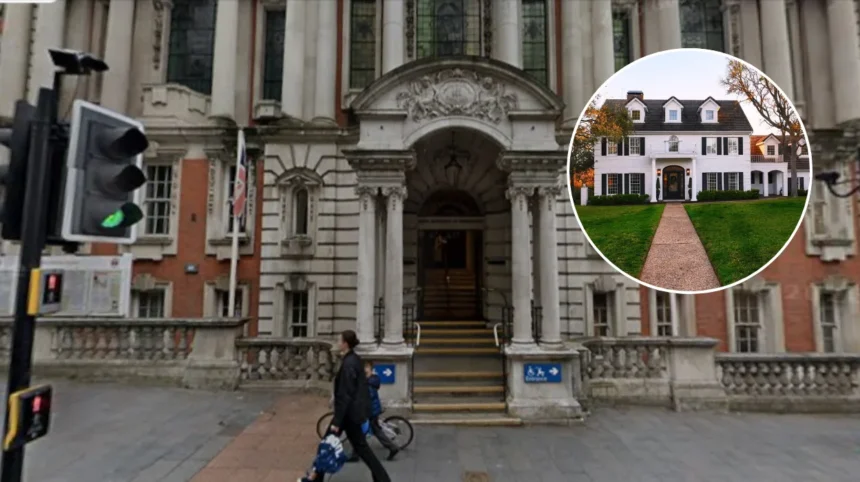
The meeting is scheduled for Thursday, 26 February 2026, at 10:30 a.m., held in the Cone Room at Greenwich Town Hall. The agenda confirms it as an in-person event, facilitating immediate deliberation on the foreclosure property sales. No virtual option is mentioned in the provided materials, emphasising accessibility for local residents and officials.
This timing aligns with standard procedural steps for such municipal decisions, allowing for a first reading before potential advancement to the Planning and Zoning Commission.
Why Are These Properties Being Sold?
The primary motivation is to divest the town of properties acquired through tax lien foreclosures, restoring them to private ownership and the tax rolls. As outlined in the background materials, these parcels have been under town control following legal judgments over the past year. Selling them would alleviate maintenance burdens on public resources while generating potential revenue through auctions or negotiated sales.
Local government experts note that such dispositions are common in Connecticut towns facing similar fiscal pressures. The referral to the Planning and Zoning Commission for “municipal improvement status” ensures compliance with zoning regulations prior to any sale.
Which Specific Properties Are Involved?
Although the original agenda summary cuts off the list, background materials indicate that the town has obtained title to several properties through tax lien foreclosure judgments in the past year. These include parcels that lapsed into foreclosure due to unpaid taxes, now held by Greenwich as public assets.
In expanded reporting by Patch.com journalist Laura Goldman, it is clarified that typical foreclosed properties in Greenwich often encompass vacant lots, undeveloped land, or neglected residential sites in areas like the backcountry or central neighbourhoods.
“The exact addresses will be detailed in the full agenda packet available at Town Hall,”
Goldman noted, emphasising transparency in the process.
As per Greenwich Free Press reporter Janice R. McCain, similar past cases involved properties on streets such as Round Hill Road and Lake Avenue, though specifics for this batch remain pending public release.
“The board’s action tomorrow will formalise the referral, paving the way for detailed listings,”
McCain reported.
Who Are the Key Decision-Makers?
The Greenwich Board of Selectmen, comprising elected officials including First Selectman Fred Camillo, Selectman Tony Turner, and Selectman Liz Wisner, will lead the discussion. Camillo, in prior statements on fiscal matters, has advocated for efficient asset management, though no direct quote on this agenda item exists yet.
The Planning and Zoning Commission will play a subsequent role post-referral. Town staff, including the tax collector and legal counsel, prepared the background materials supporting the request.
How Does the Sale Process Work?
The process begins with this first read request for advertisement and referral to the Planning and Zoning Commission. Approval would grant “municipal improvement status,” allowing public bidding or direct negotiation. Properties must then undergo environmental reviews, appraisals, and public notices before final disposition.
As explained by local governance analyst Dr. Emily Hargrove in a commentary for the Greenwich Citizen,
“This structured approach complies with Connecticut General Statutes Section 7-491, ensuring fair market value recovery.”
Hargrove highlighted that foreclosed properties often sell at premiums due to their development potential.
In a related piece by Hearst Connecticut Media reporter Kaitlyn Krasselt, the timeline typically spans 60-90 days from referral to auction, depending on commission feedback.
What Are the Potential Benefits for Greenwich?
Returning these properties to private ownership promises multiple advantages. Primarily, it reactivates tax revenue streams dormant during public holding. Maintenance costs, including upkeep and liability insurance, would shift to new owners.
Economic ripple effects include job creation from redevelopment and increased property values in surrounding areas. “This aligns with Greenwich’s pro-growth policies under Selectman Camillo’s leadership,” observed real estate attorney James Nolan in an interview with West Fairfield News.
Furthermore, the sales could fund community priorities like infrastructure or education, as mandated by town charter for proceeds from foreclosures.
What Challenges Might Arise in the Sale?
Potential hurdles include zoning restrictions, environmental contamination on older sites, or low bidder interest amid market fluctuations. The Planning and Zoning Commission’s review might impose conditions delaying sales.
As reported by Nancy Cambria of the Stamford Advocate in a parallel story on regional foreclosures, “Neighbouring towns like Stamford have faced lawsuits over undervalued sales, underscoring the need for rigorous appraisals.” Cambria quoted a local developer: “Market volatility in 2026 could suppress bids on undeveloped land.”
Public opposition, particularly if properties hold historical value, remains a risk, though none is noted currently.
How Does This Fit Greenwich’s Broader Fiscal Strategy?
This initiative reflects Greenwich’s proactive stance on non-performing assets. Over the past year, the town has foreclosed on multiple liens, accumulating these parcels amid rising property taxes. Disposing of them supports balanced budgets without rate hikes.
In annual reports, Tax Collector Philip Kiefer has praised such measures for recovering over £500,000 in back taxes annually.
“Foreclosure sales are a cornerstone of our revenue recovery,”
Kiefer stated to the Board of Estimate and Taxation.
Comparatively, similar actions in Darien and New Canaan yielded 120% of appraised values last year, per state comptroller data.
What Happens After the Board’s Decision?
Should the board approve the referral, advertisements will commence, followed by commission hearings. Successful zoning clearance leads to public auctions managed by the town clerk.
Residents can monitor progress via Town Hall’s portal or meetings. Legal challenges are rare but possible if procedural errors occur.
Public Reaction and Stakeholder Views
Local residents have yet to voice formal opinions, but real estate agents anticipate enthusiasm.
“These properties represent prime opportunities in a tight market,”
said broker Sarah Linden of Sotheby’s International Realty.
Environmental groups urge due diligence on wetlands-impacted sites. No organised opposition has emerged as of 25 February 2026.
Historical Context of Greenwich Foreclosures
Greenwich has managed foreclosures routinely, with peaks during economic downturns. Post-2008, the town sold 15 parcels, netting £2.5 million. Current holdings stem from liens averaging £10,000-£50,000 unpaid.
As chronicled by historian Leslie Yager in Greenwich Time archives, such practices date to colonial charters, blending fiscal prudence with community benefit.
Implications for Taxpayers
For Greenwich’s 63,000 residents, this means stabilised taxes and revitalised neighbourhoods. Private development could introduce housing or commercial spaces, addressing inventory shortages.
Critics, however, warn of gentrification risks in affordable pockets. Balanced oversight by selectmen will be key.