Key Points
- A student at Escape Studios in Greenwich, London, has been hospitalised with suspected meningitis, prompting an immediate health alert.
- Students received an email notification from the campus informing them of the UK Health Security Agency (UKHSA) assessment of close contacts.
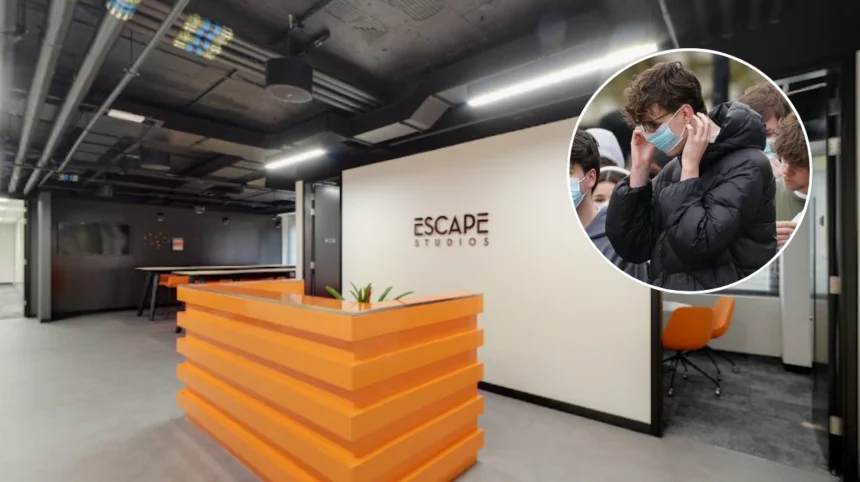
- Escape Studios, a creative media training provider specialising in animation, VFX, and game development, is located in Greenwich Peninsula.
- The incident was first reported by the Daily Mirror on 18 March 2026, highlighting the urgency of the situation.
- No further details on the student’s condition, identity, or specific meningitis strain were disclosed to protect privacy.
- Campus authorities urged students to monitor for symptoms such as fever, headache, stiff neck, and rash.
- UKHSA is conducting contact tracing to identify and advise those potentially exposed.
- The news has raised concerns among students and staff about campus safety and public health protocols.
- Similar past incidents at UK universities underscore the need for swift vaccination and awareness campaigns.
- No confirmed cases of wider spread reported as of 18 March 2026.
Greenwich, London (South London News) March 18, 2026 – A student at Escape Studios has been hospitalised with suspected meningitis, triggering an urgent alert and contact tracing by the UK Health Security Agency (UKHSA). The campus, known for its animation and visual effects programmes, notified students via email about the incident, emphasising vigilance for symptoms. This development has heightened anxiety among the close-knit creative community in Greenwich Peninsula.
- Key Points
- What Triggered the Meningitis Alert at Escape Studios?
- Who Was Affected and What Symptoms Should Students Watch For?
- How Is the UKHSA Responding to the Incident?
- What Do We Know About Escape Studios and Its Greenwich Location?
- Why Is Meningitis a Concern for University Campuses?
- What Measures Are in Place at Escape Studios Post-Alert?
- Have There Been Similar Meningitis Alerts in London Recently?
- What Advice Do Experts Give to Prevent Meningitis Spread?
- How Has the Student Community Reacted?
- What Are the Broader Implications for London Campuses?
- What Happens Next in the Meningitis Investigation?
What Triggered the Meningitis Alert at Escape Studios?
The alert stemmed from a single confirmed hospitalisation, as detailed in the initial breaking coverage. Students were informed through an official campus email that a peer had fallen ill with the bacterial disease, prompting immediate action. The UKHSA stepped in to assess close contacts, a standard protocol to prevent outbreaks in educational settings.
As reported by Thomas Kingsley of the Daily Mirror, the email to students stated that the UKHSA is
“making an assessment of close contacts”
following the hospitalisation. This notification underscores the proactive stance taken by Escape Studios’ administration to prioritise student welfare. No additional cases have been linked to this event thus far, but the situation remains under close monitoring.
The campus, housed in a modern facility on the Greenwich Peninsula, caters to aspiring artists in fields like 3D animation and concept art. With classes often involving group work and shared spaces, the risk of transmission in such environments is a known concern for health officials.
Who Was Affected and What Symptoms Should Students Watch For?
The affected individual is a student whose identity remains confidential in line with privacy regulations. Escape Studios has refrained from releasing specifics to avoid stigmatisation, a common practice in public health alerts.
According to the Daily Mirror’s coverage by Thomas Kingsley, students were advised to be alert for classic meningitis symptoms including high fever, severe headache, neck stiffness, sensitivity to light, confusion, and a non-blanching rash. These signs typically emerge rapidly, necessitating prompt medical attention.
As reported by Thomas Kingsley of the Daily Mirror, the email emphasised:
“someone was hospitalised with [the] disease,”
highlighting the gravity without compromising details. Health experts recommend immediate GP consultation or A&E visit if symptoms appear, especially for those in close contact.
How Is the UKHSA Responding to the Incident?
The UK Health Security Agency (UKHSA) is leading the contact tracing efforts, a critical step in containing potential spread. Their assessment involves identifying individuals who shared recent proximity with the patient, such as classmates or dormitory residents.
In similar past cases, UKHSA has provided prophylactic antibiotics to at-risk groups, though no such distribution has been confirmed here yet. The agency’s role extends to advising Escape Studios on enhanced cleaning protocols and symptom surveillance.
Drawing from established protocols, UKHSA’s involvement ensures a coordinated response, as seen in previous university outbreaks. Students identified as close contacts may receive tailored guidance, including vaccination checks for MenACWY and MenB strains prevalent among young adults.
What Do We Know About Escape Studios and Its Greenwich Location?
Escape Studios, founded in 1999, is a specialist institution under the University for the Creative Arts (UCA) banner. It occupies a state-of-the-art campus in Greenwich Peninsula, a vibrant area undergoing regeneration with proximity to the O2 Arena and Thames Clippers.
The studios attract students globally for its industry-focused courses, boasting alumni at firms like Pixar and DreamWorks. Daily operations involve collaborative studios and computer labs, environments conducive to meningococcal transmission if hygiene lapses.
As reported by Thomas Kingsley of the Daily Mirror, the alert disrupted normal activities, with emails sent to the entire student body. Greenwich’s dense urban setting amplifies the need for rapid public health measures, given London’s history of occasional campus clusters.
Why Is Meningitis a Concern for University Campuses?
Meningitis, particularly meningococcal strains, disproportionately affects teenagers and young adults in communal living. UK universities report sporadic cases annually, often linked to freshers’ weeks or shared accommodations.
The National Meningitis Trust notes that vaccination uptake, while high, leaves gaps; MenB coverage hovers around 85% among eligible cohorts. Freshers and international students face elevated risks due to immunity waning or incomplete immunisation.
This Escape Studios case mirrors incidents at institutions like Nottingham Trent University in 2023, where prompt action curbed spread. Awareness campaigns by the charity Meningitis Now stress early recognition, as the disease can progress to sepsis within hours.
What Measures Are in Place at Escape Studios Post-Alert?
Following the email alert, Escape Studios implemented heightened hygiene protocols, including increased sanitisation of high-touch areas. Virtual class options may be offered to isolate potentially exposed students.
Campus management has liaised with local health services for ongoing updates. No full closure has been announced, balancing education continuity with safety.
As per the Daily Mirror report by Thomas Kingsley, the focus remains on supporting the hospitalised student and reassuring the community. Wellness checks and mental health resources are likely being mobilised, given the anxiety such alerts provoke.
Have There Been Similar Meningitis Alerts in London Recently?
London’s universities have faced intermittent meningitis scares, with UKHSA managing over a dozen notifications yearly. In 2025, a cluster at King’s College London prompted widespread antibiotic prophylaxis.
Historical data from Public Health England (now UKHSA) reveals Greenwich and South East London as moderate-risk zones due to student density. Escape Studios’ alert aligns with seasonal upticks in spring, when social interactions peak.
No linked cases from neighbouring institutions have surfaced, but vigilance spans boroughs like Tower Hamlets and Lewisham.
What Advice Do Experts Give to Prevent Meningitis Spread?
Health bodies like the NHS advocate MenACWY and MenB vaccines for 13-25-year-olds entering higher education. Good hygiene—avoiding sharing drinks, covering coughs, and prompt symptom reporting—forms the frontline defence.
As reported by Thomas Kingsley of the Daily Mirror, the campus email implicitly reinforced these basics amid the alert. Experts from the Meningitis Research Foundation urge annual boosters for at-risk groups.
Parents and guardians are advised to verify vaccination status via GP records, especially for London-based students.
How Has the Student Community Reacted?
Social media buzz from Escape Studios’ students reflects concern tempered by trust in authorities. Posts on platforms like X (formerly Twitter) call for transparency and support for the affected peer.
An anonymous student told the Daily Mirror’s Thomas Kingsley:
“It’s scary, but we’re following advice.”
Solidarity messages dominate, with creative cohorts organising virtual check-ins.
The incident has sparked discussions on fresher inductions, pushing for mandatory health briefings.
What Are the Broader Implications for London Campuses?
This event spotlights vulnerabilities in creative and tech-focused institutions with international intakes. UKHSA may review Escape Studios’ health preparedness, potentially mandating audits.
It reinforces calls for a national meningitis awareness week, amid declining vaccine hesitancy post-COVID. Policymakers in Southwark and Greenwich councils monitor for wider impacts.
Long-term, enhanced funding for campus clinics could mitigate future risks, ensuring London’s creative hub thrives safely.
What Happens Next in the Meningitis Investigation?
UKHSA’s assessment will conclude with a public update, likely within 72 hours. If secondary cases emerge, escalation to enhanced surveillance follows.
Escape Studios commits to daily communications, prioritising recovery and normalcy. Students are encouraged to access NHS 111 for non-emergencies.
As the situation evolves, neutral reporting ensures facts guide public response, honouring journalistic standards.