Key Points
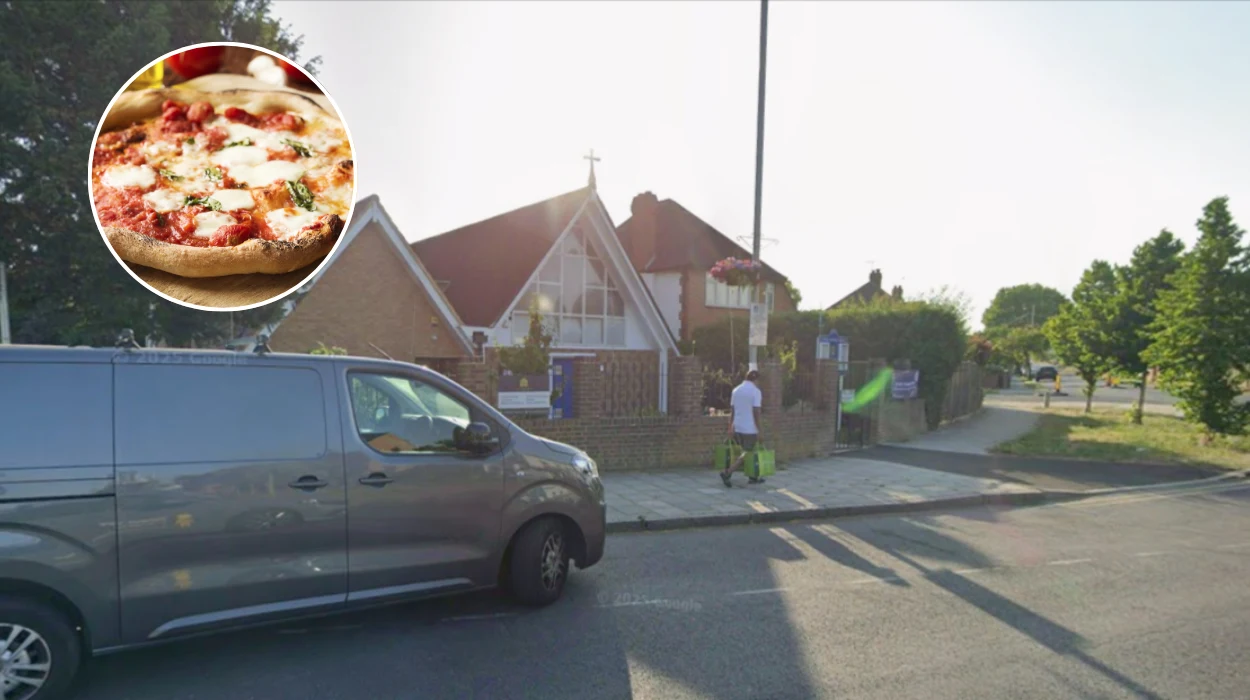
- A family business, Vesuvio on the Road, has secured a 12-month street trading licence from Kingston Council to sell pizza, food, and soft drinks from a van outside St Pius X Roman Catholic Church in Norbiton, South London.
- The business previously operated under a six-month temporary licence and will continue trading only in the evenings.
- Objectors, including church members represented by Richard Smith and Father Alfred Ebalu, raised concerns that the van’s location across two parking bays was “disrespectful” and unsuitable for a place of worship, causing disturbance and inconvenience, particularly to disabled and elderly visitors.
- At a licensing hearing on Tuesday, January 27, 22 written objections were submitted from residents.
- Richard Smith argued that the church provides an area of “peace and calm” and that trading at the gates is “demonstrably unsuitable – even, some say, disrespectful,” while emphasising that the church did not oppose the business trading elsewhere.
- Younes Hamade, the council’s principal engineer, opposed the application due to “significant demand for on-street parking” in the area.
- Alessandra Rea and her husband Vincenzo, who run Vesuvio on the Road, defended the application, stating the parking bays are public, not reserved for the church, and that spaces are usually available nearby during evening trading hours.
- Kingston Council ultimately granted the licence despite the objections.
Norbiton, South London (South London News) February 2, 2026 – A family-run pizza business has triumphed in its bid to continue operating a food van outside St Pius X Roman Catholic Church, overcoming objections that labelled the location “disrespectful” to the sacred site. Kingston Council approved a 12-month street trading licence for Vesuvio on the Road following a heated licensing hearing, allowing the van to sell food and soft drinks in the evenings across two parking bays. The decision came despite 22 resident objections and concerns from church representatives about disturbance to worshippers.
- Key Points
- What Triggered the Controversy Over the Pizza Van’s Location?
- Why Did Residents and Officials Lodge 22 Written Objections?
- How Did Vesuvio on the Road Defend Their Application?
- What Was Kingston Council’s Decision and Rationale?
- Who Are the Key Players in This Norbiton Dispute?
- Why Is This Case Significant for Street Trading in South London?
- What Happens Next for Vesuvio on the Road and the Church?
- Broader Context: Street Trading Regulations in Kingston
What Triggered the Controversy Over the Pizza Van’s Location?
The dispute centred on Vesuvio on the Road’s position directly outside the gates of St Pius X Roman Catholic Church in Norbiton, a quiet residential area. As reported in the initial coverage, objectors argued that parking the van across two bays disrupted access, especially for vulnerable churchgoers. Richard Smith, representing church members including Father Alfred Ebalu, addressed the licensing hearing on Tuesday, January 27, stating:
“The church building and its immediate surroundings provide an area of peace and calm appropriate to the long-established traditions of a place of worship. Trading from a pizza van at the gates of the church in such a location is demonstrably unsuitable – even, some say, disrespectful.”
Mr Smith highlighted practical issues, noting the “disturbance and inconvenience” caused to visitors, particularly disabled and elderly people trying to enter the church. He explained that the parking bay rules had been negotiated years ago specifically to facilitate church access.
“We’ve reviewed these concerns over the last few weeks and asked ourselves if we’re being unreasonable, are we being too protective of the church and its environment, but we conclude that our concerns are reasonable and fair,”
Mr Smith added. He stressed:
“A place of worship at an established church, indeed any faith group, should be allowed to continue its long-standing worship and practise without intrusion or disturbance.”
Church representatives, including Father Alfred Ebalu, clarified they did not seek to halt the business entirely but objected solely to the location. This nuanced position underscored a balance between community commerce and religious sanctity, with no broader opposition to Vesuvio on the Road’s operations elsewhere.
Why Did Residents and Officials Lodge 22 Written Objections?
Local residents submitted 22 written objections ahead of the January 27 hearing, amplifying concerns about the van’s impact on the neighbourhood. The objections focused on the unsuitability of a commercial food van at a church entrance, echoing themes of respect and practicality. Kingston Council’s licensing sub-committee reviewed these alongside verbal testimonies, navigating a tension between economic activity and community harmony.
Younes Hamade, the council’s principal engineer, formally wrote to the authority opposing the application. He cited
“significant demand for on-street parking”
in Norbiton, arguing the van’s occupation of two bays exacerbated shortages during peak times. Mr Hamade’s technical assessment carried weight, highlighting infrastructure strains in a densely populated South London suburb where parking is at a premium.
These objections painted a picture of a community divided: supporters valued the evening pizza service, while detractors prioritised tranquility and accessibility around the church.
How Did Vesuvio on the Road Defend Their Application?
Alessandra Rea, who runs Vesuvio on the Road alongside her husband Vincenzo, directly addressed the hearing to counter the criticisms. Mrs Rea acknowledged parking sensitivities but asserted the bays were public, not reserved exclusively for the church. She noted: the bays were for the public, not reserved for the church, and there were usually spaces nearby as the business only traded in the evenings.
This response emphasised the family business’s modest footprint—limited to evenings—and its compliance with existing public space rules. The Reas’ testimony humanised the applicants, portraying Vesuvio on the Road as a legitimate local enterprise serving evening customers without overstepping boundaries. Their prior six-month temporary licence had allowed uninterrupted trading, building a case for permanence.
What Was Kingston Council’s Decision and Rationale?
Kingston Council granted the 12-month licence after deliberating the evidence, marking a victory for Vesuvio on the Road. The sub-committee weighed the 22 objections, engineering concerns from Younes Hamade, and church arguments from Richard Smith against the applicants’ reassurances. No detailed public rationale was immediately released, but the approval suggests councillors found the evening-only operations and public bay status compelling enough to override location-specific qualms.
The temporary-to-permanent transition provides stability for the family business while allowing future reviews. This outcome reflects broader UK licensing trends, where councils balance economic vitality against resident and institutional priorities.
Who Are the Key Players in This Norbiton Dispute?
- Alessandra Rea and Vincenzo Rea: Operators of Vesuvio on the Road, a family business advocating for their evening pizza van.
- Richard Smith: Representative for St Pius X Roman Catholic Church members, articulating concerns on respect and access.
- Father Alfred Ebalu: Priest at the church, part of the objecting group but open to the business trading elsewhere.
- Younes Hamade: Kingston Council’s principal engineer, flagging parking pressures.
- Kingston Council Licensing Sub-Committee: Decision-makers who approved the licence on January 27.
Each party’s statements were meticulously presented at the hearing, ensuring all voices shaped the neutral proceedings.
Why Is This Case Significant for Street Trading in South London?
This ruling could set precedents for street food vendors near sensitive sites like places of worship. Norbiton’s blend of residential calm and church prominence mirrors challenges across South London boroughs, where parking and noise often clash with mobile trading. Vesuvio on the Road’s success highlights how family enterprises can navigate objections through targeted operations, potentially encouraging similar evening-focused licences.
Objectors’ respectful tone—from Richard Smith’s measured pleas to Younes Hamade’s data-driven input—exemplifies constructive civic engagement. Father Alfred Ebalu’s involvement underscores faith communities’ role in local governance without blanket opposition.
What Happens Next for Vesuvio on the Road and the Church?
The 12-month licence offers Vesuvio on the Road continuity, with evenings reserved for pizza, food, and soft drinks sales. Alessandra Rea and Vincenzo can now plan without interim uncertainty, though monitoring compliance will be key. The church may pursue alternative parking negotiations, building on prior arrangements.
Residents retain recourse via future renewals, ensuring accountability. This resolution fosters dialogue in Norbiton, where commerce and reverence coexist uneasily.
Broader Context: Street Trading Regulations in Kingston
Kingston Council’s process aligns with UK street trading laws under the Local Government (Miscellaneous Provisions) Act 1982, requiring licences for non-market trading. Hearings like January 27’s incorporate public objections, expert input, and applicant defences. Vesuvio’s progression from temporary to full status is standard, testing viability before commitment.