Key Points
- Kingston Council has approved a balanced budget for 2026-27, totalling £205.70 million, aimed at protecting vital services and funding investments in council homes, inequality reduction, and resident-centred services.
- Over 66% of the budget will support vulnerable people and families, including 1,600 adults with long-term care needs, 215 with shorter-term needs, over 1,000 children and young people in social care, and nearly 2,000 with education, health, and care plans.
- Approximately 1,000 homeless families and individuals are housed in temporary accommodation amid rising demands and costs.
- The council faces significant financial pressures from over a decade of government underfunding, increasing service costs, and more complex needs among residents.
- A 2.99% council tax increase has been agreed, plus a 2% rise in the adult social care precept, with support available via the council tax reduction scheme for low-income households and benefit claimants.
- Leader Cllr Andreas Kirsch highlighted eight years of prudent financial management, delivery of nearly 400 council homes, and ongoing projects like new family hubs, green spaces, a children’s home, carbon reduction, cultural enhancements, and the new Kingston leisure centre.
- The budget draws mainly from council tax and retained business rates, maintaining a focus on making the borough fairer, safer, and greener.
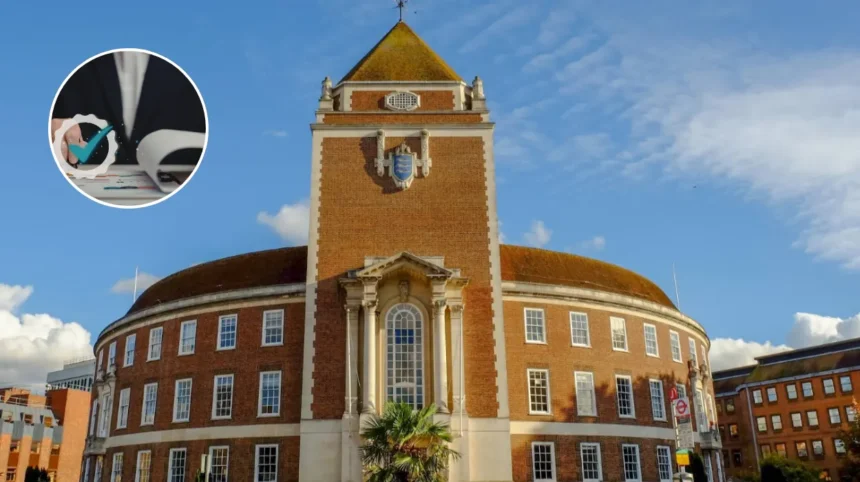
Kingston upon Thames (South London News) March 2, 2026 – Kingston Council has unanimously agreed a balanced £205.70 million budget for the 2026-27 financial year, pledging to safeguard essential services while investing in new council homes, tackling inequality, and prioritising residents amid mounting financial strains from national underfunding.
- Key Points
- What Challenges is Kingston Council Facing with This Budget?
- What Did Cllr Andreas Kirsch Say About the Budget?
- Which Investments Will the Budget Support?
- Why is There a Council Tax Increase, and Who Qualifies for Help?
- How Does This Budget Compare to National Trends?
- What is the New Kingston Leisure Centre, and What’s Its Status?
- How Will the Budget Make Kingston Fairer, Safer, and Greener?
- Broader Context: Local Government Funding Crisis
- Reactions and Next Steps
The budget approval, passed at a full council meeting, allocates the bulk of funds to support vulnerable residents, with more than two-thirds dedicated to adult and children’s social care. This comes as demands escalate, with costs rising due to increasingly complex needs following over a decade of reduced central government support for local authorities.
What Challenges is Kingston Council Facing with This Budget?
Kingston Council continues to grapple with severe financial pressures, much like other UK local authorities. As detailed in the official council announcement, more adults and children require support, often with highly complex needs, driving up service delivery costs. Over 66% of the £205.70 million budget—equating to roughly £135.86 million—will go towards aiding people and families in crisis.
This includes care for over 1,600 adults with long-term needs and 215 with shorter-term requirements. In children’s services, more than 1,000 young people receive social care, while nearly 2,000 have education, health, and care plans. Additionally, around 1,000 homeless families and individuals rely on temporary accommodation, straining resources further.
The council’s press release emphasises that these challenges stem from
“more than a decade of significant government underfunding,”
a point echoed across local government reports. Despite this, Kingston maintains it is progressing with investments to transform lives and bolster communities.
What Did Cllr Andreas Kirsch Say About the Budget?
Leader of Kingston Council, Cllr Andreas Kirsch, welcomed the budget as a testament to sound stewardship. As reported directly from the council’s official statement, Cllr Kirsch said:
“Over the last eight years, we have managed the finances of our borough well, despite all these challenges.”
He added:
“We always put residents at the heart of what we do and continue to deliver good quality services, as the Local Government Association highlighted in our peer review last year.”
Cllr Kirsch underscored the dual focus on vulnerable support and broader resident benefits, noting:
“Alongside our work to ensure people in need can access help, we continue to work for all our residents.”
The leader highlighted housing achievements, stating:
“We have delivered nearly 400 modern and sustainable council homes across the borough, with more to follow over the next few years.”
Looking ahead, he affirmed the budget’s role in sustaining momentum.
Which Investments Will the Budget Support?
The 2026-27 budget commits to ongoing projects that enhance Kingston’s infrastructure and quality of life. Cllr Kirsch outlined key initiatives in the council’s announcement, including:
“This budget will support ongoing projects to build more council homes, deliver more family and community hubs, enhance green spaces, deliver a children’s home, reduce our carbon footprint, strengthen the borough’s cultural and leisure [facilities], as well as deliver the new Kingston leisure centre.”
Construction on the new Kingston leisure centre has already reached a major milestone, as covered separately by Nub News. The facility promises modern amenities to boost community health and leisure options. These investments align with the council’s vision for a fairer, safer, and greener borough, balancing immediate support with long-term gains.
The council plans to maintain a “financially prudent approach,” ensuring delivery for residents despite external pressures. Income streams primarily comprise council tax collections and the retained portion of business rates, which form the backbone of the £205.70 million spend on essential services.
Why is There a Council Tax Increase, and Who Qualifies for Help?
To address these pressures and sustain services, Kingston Council has approved a 2.99% council tax rise, coupled with a 2% increase in the adult social care precept. This decision, as per the official budget documents, is necessary to
“manage the extreme financial pressures facing local government across the country.”
Councillors stressed that the hikes are modest compared to inflation and national trends, aimed at preserving frontline support. Help is readily available for those affected: Kingston’s council tax reduction scheme assists low-income households and those claiming certain benefits. Residents can apply directly through the council’s website or offices, with tailored reductions based on circumstances.
No specific journalist byline was attached to the primary council release, but it forms the core of coverage mirrored in outlets like Nub News, which has tracked related developments such as the leisure centre project.
How Does This Budget Compare to National Trends?
Kingston’s approach mirrors wider local government struggles, where councils nationwide face similar funding shortfalls. The Local Government Association’s peer review, cited by Cllr Kirsch, praised Kingston’s service quality, a rare positive amid sector-wide warnings of potential bankruptcy for some authorities.
Experts note that adult social care alone consumes a growing share of budgets UK-wide, with Kingston’s 66% allocation typical. Homelessness support, too, burdens temporary housing costs, often exceeding £100 daily per unit. Yet Kingston stands out for its housing delivery—nearly 400 council homes since 2018—outpacing many peers.
As reported in the council’s statement, the budget ensures
“continued investment to deliver new council homes, tackle inequality and put residents at the heart of services.”
This resident-focused ethos, combined with green initiatives like carbon footprint reduction and enhanced spaces, positions Kingston as proactive.
What is the New Kingston Leisure Centre, and What’s Its Status?
A flagship project under the budget is the new Kingston leisure centre, which Nub News covered in detail. As per Kingston Nub News’ article
“Construction on Kingston’s new leisure centre reaches major milestone”
(published prior to the budget), the facility is advancing rapidly, promising state-of-the-art pools, gyms, and community spaces.
Cllr Kirsch linked it directly to the budget, reaffirming commitment amid fiscal constraints. The centre will strengthen cultural and leisure offerings, supporting health and wellbeing goals. No specific author was bylined in the referenced Nub News piece, but it aligns with the council’s transformative agenda.
How Will the Budget Make Kingston Fairer, Safer, and Greener?
The council’s £205.70 million outlay targets a multifaceted vision. Fairness comes via expanded social care and new council homes addressing inequality. Safety is bolstered through family hubs and homelessness support, reducing vulnerabilities.
Greener ambitions include enhanced green spaces and carbon reduction efforts, integral to sustainability pledges. Cultural strengthening and the leisure centre further community resilience. Cllr Kirsch encapsulated this:
“We will continue with our financially prudent approach and we will continue to deliver for Kingston and its residents.”
Broader Context: Local Government Funding Crisis
Kingston’s budget navigates a national crisis, with government grants slashed since 2010. The council’s prudent management—praised in the LGA review—avoids the Section 114 notices issued to other councils. Spending prioritises need, with 66% on care reflecting demographic shifts like ageing populations and post-pandemic complexities.
Temporary accommodation for 1,000 homeless underscores housing pressures, exacerbated by rising rents. Yet investments persist, from children’s homes to leisure upgrades, signalling resilience.
Reactions and Next Steps
No dissenting voices emerged at the meeting, with the budget passing unanimously. Residents can access council tax support immediately, while projects like the leisure centre progress. Monitoring will track delivery against promises.