Key Points
- Clapham in south London is highlighted as a neighbourhood that has retained its appeal without needing large-scale reinvention, combining strong transport links, lively high streets and generous green spaces to remain a sought-after SW4 property hotspot.
- Countryside Homes’ Clapham Park development in SW4 has won a gold award at the What House? Awards and offers one‑, two‑ and three‑bedroom apartments a short walk from Clapham South Underground station on the Northern line.
- Emily Gilchrist, sales and marketing director at Countryside Homes, says “you name it, Clapham has it” in terms of nightlife, markets, café culture, leisure facilities and acres of parkland, positioning Clapham Park for residents to enjoy the full breadth of local amenities.
- More than half of sales enquiries for Clapham Park so far have come from people already living in south‑west London, seeking to put down permanent roots in SW4, underlining the area’s ability to retain existing residents as well as attract new buyers.
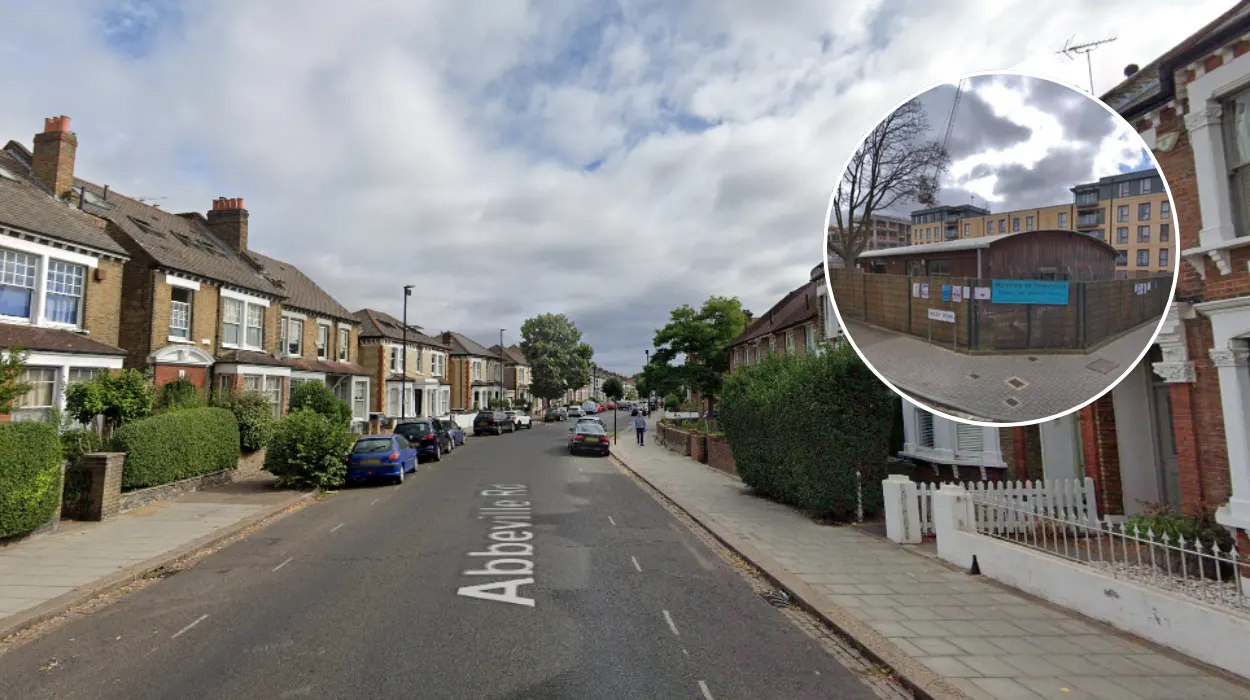
- The area’s enduring popularity is closely tied to its sense of community and lifestyle, with Abbeville Road – known locally as “Abbeville Village” – just a 12‑minute walk from Clapham Park and offering bakeries, butchers, boutiques, cafés and restaurants that mix independent traders with familiar brands.
- Clapham Common provides extensive green space with a wide range of leisure opportunities, including personal training, specialist fitness studios and larger gyms, complementing the wider south London network of parks and open spaces.
- For young families, Clapham Park is within walking distance of around 13 nurseries and benefits from access to a choice of community, independent and faith schools in the wider Clapham area.
- Transport connections are a major draw: Clapham South is around a 13‑minute walk or seven‑minute cycle from the Clapham Park development, with Northern line services putting central destinations such as London Bridge, Waterloo, Battersea Power Station and Charing Cross within roughly 25 minutes.
- Nearby Balham High Street is about a seven‑minute bike ride away, and Balham mainline and Northern line services can be reached in approximately nine minutes by bicycle, broadening commuting and shopping options for residents.
- Local estate‑agent and area guides consistently describe Clapham and Abbeville Village as among south London’s most popular and family‑friendly enclaves, thanks to a “village” atmosphere, strong schools, a café‑bar culture and good access to the City and West End.
- Clapham Park itself sits within the London Borough of Lambeth, south of central Clapham and west of Brixton, and has long lent its name and cachet to surrounding streets developed for the middle classes since the late nineteenth century.
South London (South London News) January 31, 2026 – Clapham is being heralded as a south London neighbourhood that has managed to stay relevant and desirable without wholesale reinvention, with a blend of transport links, vibrant high streets and expansive green spaces helping SW4 retain its status as a property hotspot and a place where many residents choose to settle for the long term.
- Key Points
- How is Clapham being portrayed as a neighbourhood that has never needed reinvention?
- What does Countryside Homes’ Emily Gilchrist say about Clapham and Clapham Park?
- How significant is the Clapham Park development and its What House? gold award?
- Why is Abbeville Road known as ‘Abbeville Village’ and what role does it play in Clapham’s appeal?
- How do green spaces and leisure facilities contribute to Clapham’s status as a property hotspot?
- In what ways is Clapham presented as suitable for families, particularly around Clapham Park?
- How do transport links underpin Clapham’s desirability for commuters and buyers?
- Where exactly is Clapham Park within south London and how has its identity developed?
- How do multiple sources collectively characterise Clapham’s community and lifestyle?
How is Clapham being portrayed as a neighbourhood that has never needed reinvention?
As reported by an unnamed reporter for Yahoo News UK, the article “The desirable south London area with strong transport and a thriving community” frames Clapham as an area that has consistently maintained its appeal amid London’s wider evolution, rather than needing to be transformed or “discovered” anew. The piece notes that while other districts have undergone major regeneration or rebranding, Clapham’s mix of lively high streets, transport connectivity and access to green space has allowed it to remain steadily in demand among buyers and renters.
Estate‑agency guides from firms such as Marsh & Parsons and Foxtons similarly describe Clapham as one of London’s most popular areas, citing a combination of nightlife, parks, schools and commuting convenience that has made it a long‑standing choice for professionals and families. According to the area guide from Kinleigh Folkard & Hayward (KFH), the wider Clapham district is characterised by Victorian and Edwardian housing, a broad demographic mix and a strong local identity, further underlining the perception that it has not required a radical makeover to remain attractive.
What does Countryside Homes’ Emily Gilchrist say about Clapham and Clapham Park?
As reported by Yahoo News UK, Emily Gilchrist, sales and marketing director at Countryside Homes, characterises Clapham as somewhere that offers almost everything a resident could ask for, tying that breadth of amenities directly to the appeal of the developer’s Clapham Park scheme. Ms Gilchrist is quoted as saying: “You name it, Clapham has it – from nightlife and markets to café culture, leisure and acres of parkland, and Clapham Park is in prime position for residents to enjoy all the area has to offer.”
In the same article, Ms Gilchrist links the strength of local demand to the loyalty of existing residents, explaining that “over half of sales enquiries to date have come from those already living in the Southwest London area, looking to put down more permanent roots – once you make the move to SW4, why would you want to live anywhere else?” This emphasis on rootedness supports broader reporting from local agents that many buyers in Clapham move within the area as their housing needs change, rather than leaving the postcode altogether.
How significant is the Clapham Park development and its What House? gold award?
According to Yahoo News UK, Clapham Park, the Countryside Homes development in question, has secured a gold award at the What House? Awards, which are widely billed within the industry as among the most prestigious accolades for UK housebuilders and residential schemes. The scheme offers a mix of one‑, two‑ and three‑bedroom apartments situated a short walk from Clapham South station, positioning it as a new‑build option within an already established and popular residential district.
The broader What House? Awards programme, as outlined on the awards’ official site, recognises categories such as Best Apartment Scheme, Best Development and Best Placemaking, with gold winners in each category regarded as setting a benchmark for design and delivery in the sector. While the awards website provides a list of recent gold winners across multiple categories, the Yahoo News UK piece singles out Clapham Park’s gold award as an indicator of the development’s quality and profile within the south London new‑build market.
Why is Abbeville Road known as ‘Abbeville Village’ and what role does it play in Clapham’s appeal?
As noted in the Yahoo News UK coverage, Abbeyville Road – more commonly spelled Abbeville Road – is referred to by locals as “Abbeville Village” and lies around a 12‑minute walk from Clapham Park, forming part of the neighbourhood’s community‑focused offering. The same report states that the street is lined with bakeries, butchers, boutiques, cafés and restaurants, combining independent traders with familiar high‑street brands, thereby contributing to the sense of a self‑contained village within the city.
Area guides from estate agencies such as Winchester White and Malixons describe Abbeville Road and the surrounding streets as “Abbeville Village”, highlighting a “real community atmosphere” and positioning it as one of south Clapham’s best‑kept secrets. Winchester White notes that Abbeville Road runs from the A205 to Clapham Park Road and that the area evolved from largely rural land with manor houses into middle‑class housing after the arrival of the railways in the late nineteenth century, an historical development that underpins its current residential character.
How do green spaces and leisure facilities contribute to Clapham’s status as a property hotspot?
Yahoo News UK’s article highlights Clapham Common as a major draw, pointing to the availability of personal training sessions, niche fitness studios and larger gym operators such as Anytime Fitness and Virgin Active, all within easy reach of Clapham Park and the wider SW4 area. This presentation of a layered fitness and leisure offer dovetails with descriptions in estate‑agent guides, which stress that Clapham Common’s large expanses of grass, sports pitches, playgrounds and events space are central to the area’s appeal for both younger professionals and families.
Marsh & Parsons, for example, emphasises that residents benefit from the combination of open green space on the Common and a busy social scene on nearby high streets, while Foxtons describes Clapham as offering “vibrant nightlife” alongside access to gyms, yoga studios and outdoor sports. These repeated references to health, fitness and outdoor recreation in different sources support the portrayal in Yahoo News UK of Clapham as a neighbourhood where leisure is a core part of everyday life and a significant factor in property demand.
In what ways is Clapham presented as suitable for families, particularly around Clapham Park?
The Yahoo News UK piece underscores the area’s family credentials by stating that there are thirteen nurseries within walking distance of the Clapham Park development, portraying this density of early‑years provision as an advantage for young families considering the scheme. The article also refers to the presence of respected schools in the wider area, including community, independent and religious institutions, which it suggests enhance the neighbourhood’s overall attractiveness for long‑term residents with children.
This framing aligns with long‑standing area descriptions from KFH, Marsh & Parsons and other agents, which highlight a strong choice of primary and secondary schools in and around Clapham, as well as popular nurseries and family‑oriented amenities in Abbeville Village and around the Common. Malixons’ guide to Abbeville Village additionally emphasises the availability of local schools and community facilities, reinforcing the view of this corner of south‑west London as a family‑friendly enclave.
How do transport links underpin Clapham’s desirability for commuters and buyers?
According to Yahoo News UK, Clapham South station is reachable from the Clapham Park development in about 13 minutes on foot or seven minutes by bicycle, placing residents on the Northern line with direct links to central hubs including London Bridge, Waterloo, Battersea Power Station and Charing Cross, usually in under 25 minutes. The article further notes that Balham High Street is around a seven‑minute cycle away, and that Balham’s mainline and Underground services can be accessed via a roughly nine‑minute bike ride, expanding options for reaching both central London and destinations further afield.
Estate‑agent guides consistently stress that Clapham benefits from multiple transport nodes, including Clapham Common, Clapham North, Clapham South and nearby Overground and mainline stations, making it attractive for City and West End commuters. The Northern line’s frequency and direct routes, combined with bus connections along Clapham High Street and the South Circular, are frequently cited as reasons why buyers are willing to pay a premium for homes in SW4 and adjacent postcodes.
Where exactly is Clapham Park within south London and how has its identity developed?
Wikipedia’s entry on Clapham Park places the area within the London Borough of Lambeth, to the south of central Clapham and west of Brixton, noting that it has historically lent its name and social cachet to adjoining streets built up from the 1880s onwards. The article explains that land to the west of the original Clapham Park holdings, between Clapham Common Southside and the site of Lincoln House, was developed as middle‑class housing and that these streets “borrowed the name of Clapham Park”, a label that has largely been retained.
This historical backdrop helps explain why modern developments such as Countryside Homes’ Clapham Park are marketed so strongly on location and heritage, even as they introduce new‑build apartment blocks into a long‑established residential district. Contemporary area guides also stress that Clapham sits at a junction of Lambeth and neighbouring Wandsworth, with different micro‑areas – such as Abbeville Village, Clapham Old Town and Clapham Junction’s hinterland – each contributing to the broader identity of Clapham as a south London hub.
How do multiple sources collectively characterise Clapham’s community and lifestyle?
Taken together, the Yahoo News UK report, estate‑agency area guides and historical notes present Clapham as a neighbourhood defined by a strong sense of community, a “village” feel in pockets such as Abbeville Village, and an urban lifestyle supported by cafés, restaurants, bars and independent shops. The repeated references to residents re‑buying within the area, long‑established family amenities and busy local streets suggest a stable, rooted community base rather than a transient population.
Within this broader picture, Clapham Park is portrayed as a contemporary development that benefits from and contributes to these existing strengths, offering new homes close to transport, schools, nurseries, parks and high streets that have helped keep SW4 in demand for many years. By blending award‑winning new‑build housing with long‑standing neighbourhood assets, the area is presented across multiple sources as a south London location where strong transport, a thriving community and lifestyle amenities continue to underpin its desirability.