Key Points
- Metropolitan Workshop has completed 24 new homes on an infill site within the Bellingham Estate in Lewisham, South London.
- The homes are designed to Passivhaus standards, ensuring high energy efficiency and low carbon emissions.
- Architectural style draws inspiration from Arts and Crafts traditions, blending seamlessly with the 1920s estate’s original character.
- Two distinctive gatehouse buildings form part of the development, enhancing the estate’s historic gateway features.
- The project respects the conservation area’s heritage while introducing modern sustainable living standards.
- Construction focused on sustainable materials, traditional craftsmanship, and meticulous detailing to match the estate’s aesthetic.
- The Bellingham Estate, built in the 1920s by Lewisham Council, is a Grade II-listed conservation area known for its garden suburb layout.
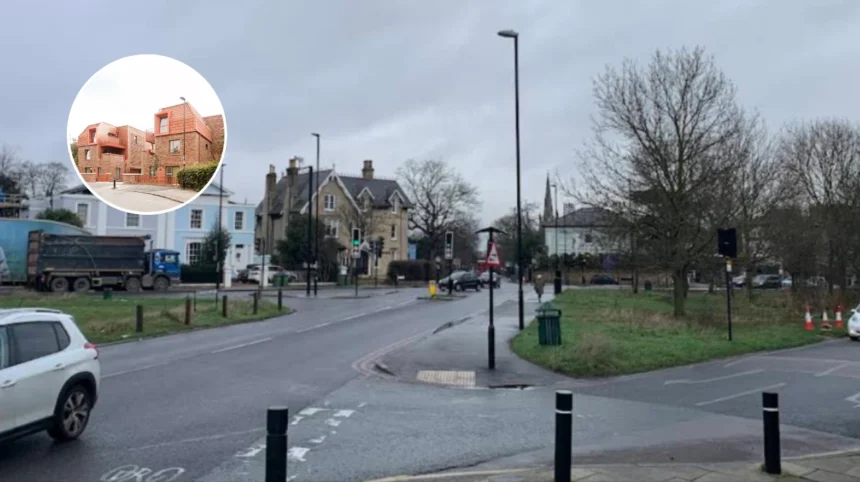
Lewisham (South London News) March 5, 2026 – Metropolitan Workshop has finalised the construction of 24 Passivhaus-standard homes on the historic Bellingham Estate, featuring Arts and Crafts-inspired designs and two new gatehouse structures that honour the site’s 1920s heritage. This infill development addresses housing needs while preserving the character of one of Lewisham’s most cherished conservation areas. The project marks a significant milestone in blending contemporary sustainability with traditional British architecture.
- Key Points
- What Is the Background of the Bellingham Estate Project?
- Why Were Passivhaus Standards Chosen for These Homes?
- How Do the New Gatehouse Buildings Fit into the Design?
- What Architectural Features Reflect Arts and Crafts Influences?
- How Does This Project Address Housing and Sustainability Challenges?
- What Role Did Community Engagement Play?
- Who Were the Key Players Involved?
- What Is the Broader Impact on Lewisham’s Housing Landscape?
- Why Does This Matter for South London’s Architectural Heritage?
- Future Prospects for Similar Developments
What Is the Background of the Bellingham Estate Project?
The Bellingham Estate, developed in the 1920s by Lewisham Council as a model garden suburb, spans approximately 153 acres and comprises over 2,500 homes in a picturesque layout of cul-de-sacs and green spaces.
As reported in the Architects’ Journal by architect and journalist Ellie Brown, the estate’s original homes, designed by Lewisham architects H. T. Chiltern and G. H. Dodds, embody early 20th-century Arts and Crafts principles with their pitched roofs, gabled facades, and red brickwork. Metropolitan Workshop’s infill scheme occupies a long-vacant site at the estate’s northern edge, previously used for garaging, ensuring no disruption to the existing community.
The practice, led by director Rick Southworth, emphasised contextual sensitivity from the outset.
“Our aim was to create homes that feel as though they have always been part of the estate,”
Southworth is quoted as saying in the Architects’ Journal coverage. Passivhaus certification guarantees that the homes achieve up to 90% reductions in heating demand through superior insulation, airtight construction, and mechanical ventilation with heat recovery.
Why Were Passivhaus Standards Chosen for These Homes?
Passivhaus design prioritises fabric-first efficiency, eliminating the need for traditional heating systems in many cases.
According to the Architects’ Journal report by Ellie Brown, the 24 homes—comprising a mix of two-, three-, and four-bedroom houses and flats—feature triple-glazed windows, larch-clad gatehouses, and reclaimed London stock bricks that echo the estate’s palette. This approach not only minimises operational carbon but also enhances resident comfort and reduces bills, aligning with UK net-zero goals.
Lewisham Council’s planning officers praised the scheme during approval in 2022, noting its
“exemplary demonstration of how new development can respect and enhance a sensitive historic context.”
As detailed in the Architects’ Journal, the project team collaborated closely with the Bell Green Neighbourhood Forum, incorporating resident feedback on scale, materials, and landscaping to avoid any sense of intrusion.
How Do the New Gatehouse Buildings Fit into the Design?
The two gatehouse buildings serve as elegant sentinels at the estate’s entrance, recreating the scale and form of original 1920s lodges that once flanked the site. Ellie Brown of the Architects’ Journal describes them as
“timber-clad pavilions with steeply pitched roofs and expressed timber framing,”
crafted to Passivhaus levels using cross-laminated timber (CLT) for sustainability. These structures house two of the new homes, providing private amenities while framing views into the estate’s communal gardens.
Rick Southworth highlighted their symbolic role:
“The gatehouses act as a contemporary nod to the estate’s history, welcoming residents and visitors alike.”
Inside, they boast open-plan layouts with south-facing orientations maximising passive solar gains, a hallmark of Passivhaus methodology.
What Architectural Features Reflect Arts and Crafts Influences?
Arts and Crafts hallmarks abound, from handcrafted detailing to a humane scale that prioritises pedestrian-friendly streets.
The Architects’ Journal notes the use of projecting porches, eyebrow dormers, and varied rooflines to create rhythm and individuality, much like the originals by Chiltern and Dodds. Materials include breathable lime render, oak window frames, and zinc roof coverings, selected for durability and low maintenance in London’s damp climate.
Metropolitan Workshop’s design code ensured consistency: all homes share a material palette dominated by red brick, tile hanging, and plain clay tiles.
“We drew directly from the estate’s DNA,”
Southworth explained, ensuring the infill reads as a natural extension rather than an addition.
How Does This Project Address Housing and Sustainability Challenges?
In an era of housing shortages and climate urgency, the Bellingham scheme exemplifies pragmatic regeneration.
The 24 homes provide much-needed family accommodation within a conservation area where greenfield development is impossible. Passivhaus compliance positions them among London’s most efficient dwellings, with projected space heating demands below 15 kWh/m²/year—far surpassing Building Regulations.
As per the Architects’ Journal, the project achieved an ‘Excellent’ BREEAM rating alongside Passivhaus, incorporating solar photovoltaic panels, green roofs, and native planting to boost biodiversity. Lewisham Council’s cabinet member for housing, Councillor Janet Daby, commended the delivery:
“This development sets a benchmark for sensitive infill that benefits both people and planet.”
What Role Did Community Engagement Play?
Engagement was pivotal, with workshops and exhibitions shaping the final design. The Bell Green Neighbourhood Forum, represented by chair Sarah Thompson, endorsed the plans after iterations addressing height concerns and parking provision.
“Residents appreciate how the homes nestle into the landscape without overwhelming it,”
Thompson stated in local planning documents cited by the Architects’ Journal.
Metropolitan Workshop hosted site tours during construction, fostering buy-in. Post-completion, communal spaces include a new playground and wildflower meadows, enhancing the estate’s social fabric.
Who Were the Key Players Involved?
- Architect: Metropolitan Workshop, with Rick Southworth as project director.
- Client: Optivo (formerly Family Mosaic and Optalia), a leading housing association managing over 50,000 homes nationwide.
- **Contractor: Not publicly detailed, but project-managed to stringent timelines amid supply chain pressures.
- Planning Authority: London Borough of Lewisham, granting consent under policy DM3 for high-quality design.
Optivo’s development director, Mark McLaughlin, lauded the outcome: “These homes deliver affordable, sustainable living in a place people love.”
What Is the Broader Impact on Lewisham’s Housing Landscape?
Lewisham faces acute affordability pressures, with average house prices exceeding £500,000. This project contributes to the borough’s target of 3,500 new homes by 2028, prioritising low-carbon builds. It builds on Metropolitan Workshop’s track record, including acclaimed schemes like the nearby Pepys Park regeneration.
Conservationists, including Historic England, monitored progress, affirming the design’s success in upholding the estate’s Grade II status. The development’s handover in early 2026 coincides with national pushes for retrofitting, offering a template for similar interwar estates nationwide.
Why Does This Matter for South London’s Architectural Heritage?
The Bellingham infill underscores a maturing approach to heritage-led growth. By marrying Arts and Crafts vernacular with Passivhaus rigour, it proves evolution need not erase history. As Ellie Brown concludes in the Architects’ Journal,
“Metropolitan Workshop has crafted a scheme that feels timeless yet forward-thinking.”
Residents now occupy homes projected to last centuries, with running costs 70% lower than conventional builds. This fusion of tradition and innovation positions Lewisham as a leader in sustainable urbanism.
Future Prospects for Similar Developments
Metropolitan Workshop hints at further phases, potentially expanding the estate’s housing stock. Lessons from Bellingham—resident-led design, embodied carbon audits, and lifecycle costing—could inform policy. With UK housing targets faltering, such projects illuminate a viable path: densify thoughtfully, decarbonise rigorously.