Key Points
- Lewisham and Greenwich NHS Trust discharged a terminal cancer patient in September 2023 without opioid medication prescribed for his “severe pain”, leaving only paracetamol.
- The Local Government & Social Care Ombudsman (LGSCO) found faults in how the Trust handled the discharge and communications with the family, causing “confusion and distress”.
- The patient’s prognosis was not fully explained to relatives until after discharge, despite multiple discharge meetings in September 2023.
- The discharge summary sent to the GP omitted the need for a palliative care referral; the patient’s daughter had to arrange this herself.
- The Ombudsman ordered the Trust to pay the family £500 and to carry out staff training to prevent recurrence.
- The Trust has accepted the findings, apologised to the family and said it is working through identified improvements.
Lewisham (South London News) July 17, 2026 – a terminal cancer patient was discharged from a hospital in South London without the opioid medication he needed for severe pain, and his family was not fully told about his prognosis until after he left the hospital.
- What did the ombudsman find about the discharge process?
- What medication failures occurred at discharge?
- What concerns did the family raise about care after discharge?
- How did the Trust respond to the ombudsman’s findings?
- What remedies did the ombudsman order?
- Background to the development
- Prediction: How this development could affect patients, families and NHS staff in South London
The Local Government & Social Care Ombudsman (LGSCO) has published findings on a complaint brought by the patient’s daughter, Mrs B, about the actions of Lewisham and Greenwich NHS Trust in September 2023.
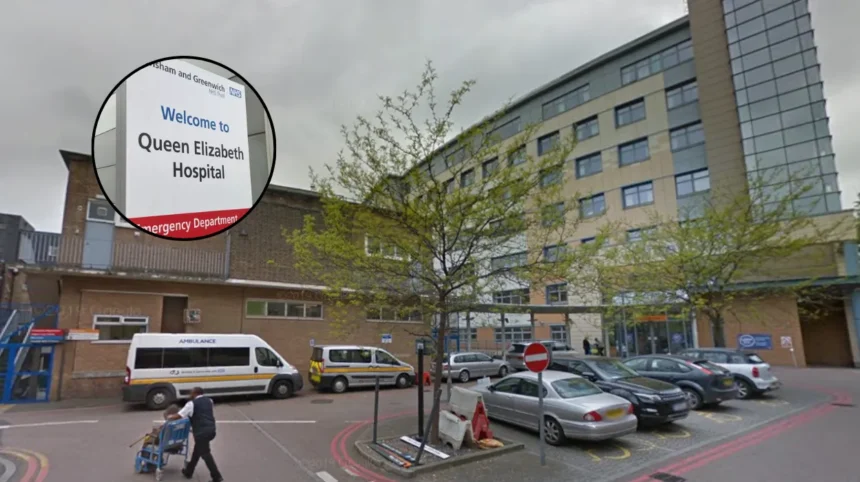
The Trust, which runs University Hospital Lewisham and Queen Elizabeth Hospital in Woolwich, has accepted the ombudsman’s conclusions and apologised to the family.
As reported by MyLondon News, the LGSCO found fault with how the Trust handled the man’s discharge, noting that errors and omissions in communication and documentation caused the family “unnecessary confusion and frustration” at an already difficult time.
What did the ombudsman find about the discharge process?
According to the ombudsman’s decision, the patient, referred to as Mr C, was discharged from hospital on 29 September 2023 after a series of discharge meetings earlier that month.
A discharge coordinator repeatedly told staff that Mr C did not meet the criteria to be placed on the Continuing Healthcare (CHC) fast track pathway at that stage, the LGSCO noted.
The ombudsman found fault in how the NHS trust did not adequately record and explain this decision to Mr C’s family.
That lack of clarity contributed to “unnecessary confusion and frustration”, which was only exacerbated when Mr C was eventually placed on the fast track pathway in early November, after his discharge.
What medication failures occurred at discharge?
The discharge summary sent to Mr C’s GP made no mention of his need for a palliative care referral, the ombudsman found. As a result, Mrs B had to contact the GP herself to arrange the referral.
The same discharge summary stated that Mr C had been prescribed opioid medication and paracetamol to treat his “severe pain”, but he was discharged only with paracetamol. Again, Mrs B was required to arrange a prescription for the correct medication through Mr C’s GP.
What concerns did the family raise about care after discharge?
A social worker contacted Mrs B on 9 October 2023 to discuss her concerns about the handling of her father’s discharge.
Mrs B told the social worker that Mr C had not been referred to the palliative care team and had been discharged without the medication he needed, as reported by MyLondon News.
Mrs B also complained that the carers who supported her father following his discharge were
“inadequately trained and inexperienced”.
However, the ombudsman found no evidence of poor care in the “relatively limited” records available, and did not uphold that part of the complaint.
How did the Trust respond to the ombudsman’s findings?
A Lewisham and Greenwich NHS Trust spokesperson said: “We accept the findings of the Ombudsman and fully recognise the impact this situation had on this family at an already extremely difficult time.”
The spokesperson added:
“We are working through the identified improvements and will provide evidence that they have been completed as soon as possible.”
The Trust also said:
“We have written to the family to offer our sincere apologies for the additional distress caused and are committed to ensuring that the lessons from this case lead to meaningful and sustained improvements in our practice.”
What remedies did the ombudsman order?
The LGSCO ordered the Trust to pay Mrs B £500 in recognition of the distress caused by the faults it identified.
The ombudsman also required the Trust to carry out training with its staff to ensure a similar event does not occur in the future.
The Trust’s acceptance of the findings and its commitment to improvement were noted in the ombudsman’s decision, which concluded that the faults in discharge planning, communication and documentation had caused the family avoidable confusion and distress.
Background to the development
The Local Government & Social Care Ombudsman is the final stage for complaints about councils, adult social care providers and some organisations providing local public services, including NHS trusts in certain circumstances.
Its investigations focus on whether there has been fault in decision-making, process or communication that has caused injustice to the complainant.
In this case, the complaint centred on the discharge of a patient with terminal cancer from a South London hospital in September 2023.
The ombudsman’s role was to examine whether the Trust followed appropriate procedures in assessing the patient’s needs, explaining his prognosis, arranging post-discharge care and ensuring that prescribed medication was provided or clearly communicated to primary care.
The findings relate specifically to failures in recording and explaining the decision not to place the patient on the CHC fast track pathway at the time of discharge, omissions in the discharge summary sent to the GP, and the gap between the medication recorded as prescribed and the medication actually supplied at discharge.
These issues are significant because they touch on established expectations around end-of-life care planning, continuity between hospital and community services, and clear communication with families during a highly sensitive period.
Prediction: How this development could affect patients, families and NHS staff in South London
For patients and families in South London, this case may increase awareness of the importance of asking explicit questions at discharge about prognosis, palliative care referrals and medication plans. Relatives in similar situations may be more likely to request written confirmation of what has been prescribed, what has been arranged with the GP, and whether a fast track CHC assessment has been considered.
For NHS staff and managers at Lewisham and Greenwich NHS Trust, the ombudsman’s findings and the required training are likely to reinforce existing discharge protocols, particularly around end-of-life care.
Documentation practices may be tightened to ensure that discharge summaries clearly state palliative care needs, that medication supplied matches what is recorded, and that decisions about CHC fast track eligibility are explained to families in plain language.
For other NHS trusts in London and beyond, the publication of this decision may serve as a reference point in internal audits of discharge processes. While each case turns on its own facts, the themes here – communication gaps, missing referrals and medication mismatches – are common risk areas in complex discharges.
The expectation is that trusts will review similar cases to identify whether comparable faults could occur and, if so, put additional checks in place before patients leave hospital.