Key Points
- Bank of Things, a Lewisham project providing free essentials like toiletries and school supplies to young people aged 11-25 facing hardship, launched in 2022 by two young mayors and the borough’s deputy mayor.
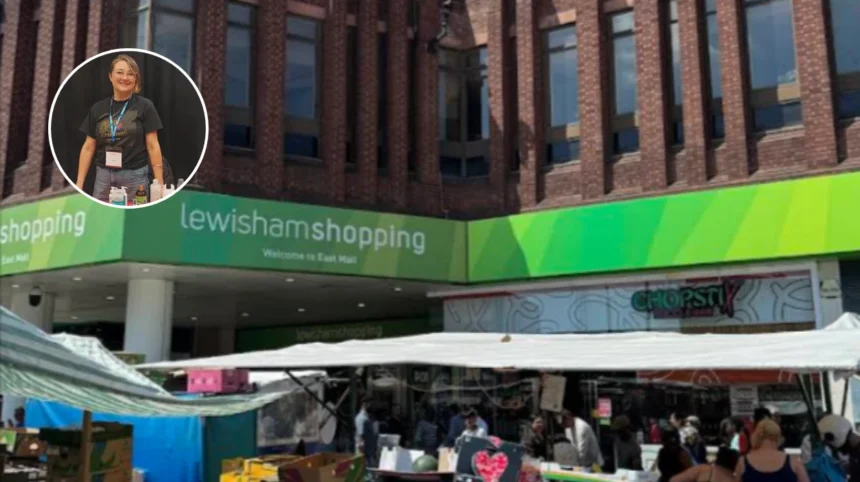
- The service operated from Lewisham Shopping Centre until October 2024, when redevelopment forced it to vacate; it now rotates through pop-up locations at youth clubs and community venues.
- Free items distributed every Wednesday and Friday; young people request up to 10 items via a Google form, no proof of need required, operates on trust with a limit of once per half-term (exceptions for urgent cases).
- Manager Hannah Monteith highlights confusion from rotating locations, reduced donations without fixed bins, and the need for a permanent base to improve accessibility.
- Service also provides musical instruments and basic uniform items; prioritises high-deprivation areas like Downham, Bellingham, and Deptford; attends festivals, college events, and youth outreach.
- Funded by community donations and a two-year council grant ending June 2027; council praised for efforts amid falling government funding.
- Launched by 2022 Young Mayor Rosanna Campbell, predecessor Femi Komolafe, and then-Deputy Mayor Brenda Dacres (now Mayor).
- Monteith calls for wider government action on cost-of-living crisis; urges residents to donate, share posts, and support via social media.
Lewisham (South London News) March 3, 2026 – A vital community project offering free essentials to struggling young people in Lewisham faces an uncertain future after being evicted from its Lewisham Shopping Centre premises due to redevelopment. Bank of Things, which supports those aged 11 to 25 with items like toiletries, school supplies, musical instruments, and uniforms, now operates from rotating pop-up locations. Manager Hannah Monteith warns that the lack of a fixed base confuses those in need and hampers donations, urging residents and the council to help secure a new home as a two-year grant nears its end in June 2027.
- Key Points
- What Is Bank of Things and How Did It Start?
- Why Was Bank of Things Forced to Leave Lewisham Shopping Centre?
- How Does Bank of Things Operate on a Day-to-Day Basis?
- What Challenges Does the Loss of a Fixed Location Create?
- Who Launched Bank of Things and What Was Their Vision?
- How Is Bank of Things Funded and What Lies Ahead?
- Why Does Bank of Things Matter in Lewisham’s Deprived Communities?
- What Can Residents Do to Support Bank of Things?
The initiative, born from a pledge by Lewisham’s young mayors to boost youth democracy and access to basics, has never turned anyone away. Operating entirely on trust without requiring proof of hardship, it distributes items twice weekly via an online Google form. As coverage expands, the service prioritises deprived areas and events, but Monteith stresses the cost-of-living crisis demands urgent government intervention alongside local support.
What Is Bank of Things and How Did It Start?
Bank of Things emerged in 2022 as a direct response to youth hardship in Lewisham, spearheaded by elected young mayors committed to fostering democracy and opportunity. As detailed in the original EastLondonLines report by an unnamed journalist, the project fulfilled a pledge to create a space where young people could access resources for study and extracurriculars.
The service launched through collaboration between 2022 Young Mayor Rosanna Campbell, her predecessor Femi Komolafe, and Brenda Dacres, then deputy mayor and now mayor of Lewisham. According to the EastLondonLines coverage, this trio worked with the borough’s youth democracy framework, accessible via Lewisham Young Mayor, to establish the “bank” of free goods.
Hannah Monteith, the manager with a background in charity fundraising, oversees operations. As reported by EastLondonLines, Monteith stated:
“Children and young people should have equal opportunities, their circumstances should not limit their ability to succeed.”
The project’s ethos emphasises equity, providing not just essentials but tools like musical instruments to enable participation.
Initially supported by the young mayors’ budget, it secured a two-year council grant running until June 2027. Monteith, quoted in EastLondonLines, praised the council:
“The council was doing the best they can”
amid diminishing government funding.
Why Was Bank of Things Forced to Leave Lewisham Shopping Centre?
The project lost its prime spot in Lewisham Shopping Centre in October 2024 due to redevelopment works. As covered by EastLondonLines, this eviction ended a convenient outlet where residents could easily donate via on-site bins.
Now, Bank of Things rotates through pop-ups at youth clubs and community venues, posting locations weekly on Instagram. This shift has created challenges, as Monteith told EastLondonLines: “It can be confusing for the young people who need us. Having a permanent, consistent base would significantly improve accessibility and visibility.”
The move also slashed physical donations, once a mainstay from shopping centre passers-by. Financial support persists via social media, but Monteith attributes the service’s survival solely to “community generosity,” per the EastLondonLines report.
No additional sources contradict this timeline; EastLondonLines remains the primary outlet, underscoring the shopping centre’s role in visibility and logistics.
How Does Bank of Things Operate on a Day-to-Day Basis?
Free distributions occur every Wednesday and Friday, with young people aged 11-25 requesting up to 10 items at a time through a simple online Google form. As EastLondonLines reported, no proof of financial need is required:
“Young people are not required to provide proof of financial need or eligibility. If someone uses the service, we assume it is because they genuinely require support,”
Monteith explained.
To ensure fairness, requests are encouraged once per half-term, though exceptions apply for urgent needs. The service has never denied anyone, operating purely on trust.
Beyond toiletries and school supplies, it stocks musical instruments and basic uniform items, fulfilling its founding pledge for study and activities. Pop-ups target high-deprivation zones like Downham, Bellingham, and Deptford, while staff attend local festivals, college events, and borough-wide youth programmes to raise awareness.
Instagram serves as the hub for locations and requests, blending digital outreach with grassroots efforts.
What Challenges Does the Loss of a Fixed Location Create?
The absence of a permanent home has ripple effects. Monteith highlighted accessibility issues to EastLondonLines: “Having a permanent, consistent base would significantly improve accessibility and visibility.”
Donation bins in the shopping centre made giving effortless; now, contributions rely on social media calls. Yet, Monteith noted in the report:
“Financial contributions are still made to the service via its social media platforms.”
The rotating model confuses beneficiaries, potentially deterring those in crisis. Amid the cost-of-living squeeze, demand rises, but funding tightens. Monteith told EastLondonLines: “The cost of living crisis means local needs continue to rise… Wider government action is needed.”
Council support, while appreciated, strains under reduced central funding. The grant ends in June 2027, amplifying the urgency for a new base.
Who Launched Bank of Things and What Was Their Vision?
The project’s origins trace to Lewisham’s youth democracy initiative. Rosanna Campbell, 2022 Young Mayor, and Femi Komolafe, a prior holder of the role, partnered with Brenda Dacres. EastLondonLines detailed their joint launch, tying it to the young mayors’ site.
Dacres, elevated to mayor, backed the pledge for resource access. This elected office aims to amplify youth voices, with Bank of Things as a flagship outcome.
Monteith’s passion drives delivery. Her fundraising expertise ensures efficiency, aligning with the vision of circumstance-free success.
How Is Bank of Things Funded and What Lies Ahead?
Community donations fuel the service, with council backing via the young mayors’ budget initially, followed by the grant to June 2027. Monteith commended Lewisham Council to EastLondonLines despite fiscal pressures: “They receive less from the government every year.”
No other media reports additional funding streams; EastLondonLines confirms reliance on “community generosity.”
Looking ahead, securing a fixed venue tops priorities. Monteith urges action: “Residents should continue to donate and to share information about the service. Even small acts [such as] liking and sharing our posts… help to raise awareness.”
As needs grow with economic woes, Monteith calls for national policy shifts.
Why Does Bank of Things Matter in Lewisham’s Deprived Communities?
In areas like Downham, Bellingham, and Deptford, where deprivation bites hardest, Bank of Things fills critical gaps. By prioritising pop-ups there and attending outreach, it targets the most vulnerable.
The trust-based model removes barriers, ensuring no young person misses basics due to stigma or paperwork. Items enable education and hobbies, countering poverty’s cycle.
Monteith’s vision resonates: equal starts regardless of background. As EastLondonLines captured, this levels the playing field.
What Can Residents Do to Support Bank of Things?
Monteith outlined clear calls to action in the EastLondonLines interview. Donate essentials via specified channels, contribute financially through social media links, and amplify reach by sharing posts—even likes matter.
Follow Instagram for pop-up details and requests. Attend events to learn more.
With the grant ticking down, community mobilisation could secure a new home, sustaining this lifeline.