
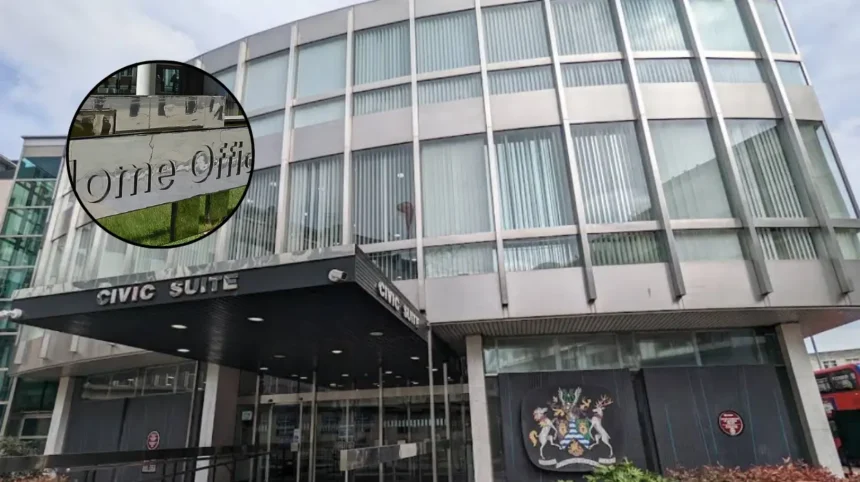
Supporters of the motion point to a series of recent immigration raids in the borough. Councillors have highlighted data suggesting more than 170 raids took place in the SE13 area in 2025, and criticised highly publicised visits where ministers and media crews accompanied enforcement teams into local businesses.
Lewisham’s leadership argues that such operations “intimidate workers” and target communities “on the basis of race”, and that local authority involvement or data-sharing undermines public trust in council services.
The Home Office has defended its enforcement work, insisting that raids are “intelligence led” and often target individuals and businesses suspected of involvement in immigration-related crime. A spokesperson said the department makes “no apology” for working with councils to share information and “fight criminals who fuel immigration crime”.
Officials say cooperation with local authorities can be crucial for tackling illegal working and exploitation, and they argue that withdrawing assistance may make enforcement harder.
Lewisham’s decision is being closely watched by neighbouring boroughs and nationally. The council is the first in the UK to adopt such a formal policy and says it hopes other authorities will join its sanctuary corridor initiative.
Critics argue that councils should not obstruct or distance themselves from national immigration policy, while supporters say local government has no legal duty to share data for immigration enforcement and should prioritise safeguarding and community cohesion.
For south London residents, the motion marks a clear shift: Lewisham is signalling that, as far as the law allows, it will not actively help carry out immigration raids in the borough, and will instead focus on support, advice and rights-based work with migrant communities.