Key Points
- Lewisham, Southwark and Lambeth healthcare practices transitioned almost entirely to remote interpreting in the past five years.
- This shift has resulted in a reduction of over 1,500 tonnes of CO₂e emissions.
- Remote interpreting includes telephone interpreting and video remote interpreting, providing on-demand access 24/7.
- The use of remote interpreting significantly reduces carbon emissions by eliminating the need for interpreter travel.
- South London and Maudsley NHS Foundation Trust (SLaM) is a key organisation involved in this initiative to reduce carbon emissions while maintaining healthcare quality.
- Dals, a language service provider, has played a central role in implementing remote interpreting solutions aligned with environmental goals.
- The transition to remote interpreting also improves efficiency for healthcare staff and enhances the experience of limited English-speaking patients.
- Even where face-to-face interpreting is necessary, carbon emissions are reduced through innovations like the linguist locator tool, which minimises interpreter travel distances.
- The initiative supports wider carbon reduction targets within the NHS, including the commitment to reaching net zero emissions by 2045.
What Is the Impact of Remote Interpreting on Carbon Emissions in Lewisham, Southwark, and Lambeth?
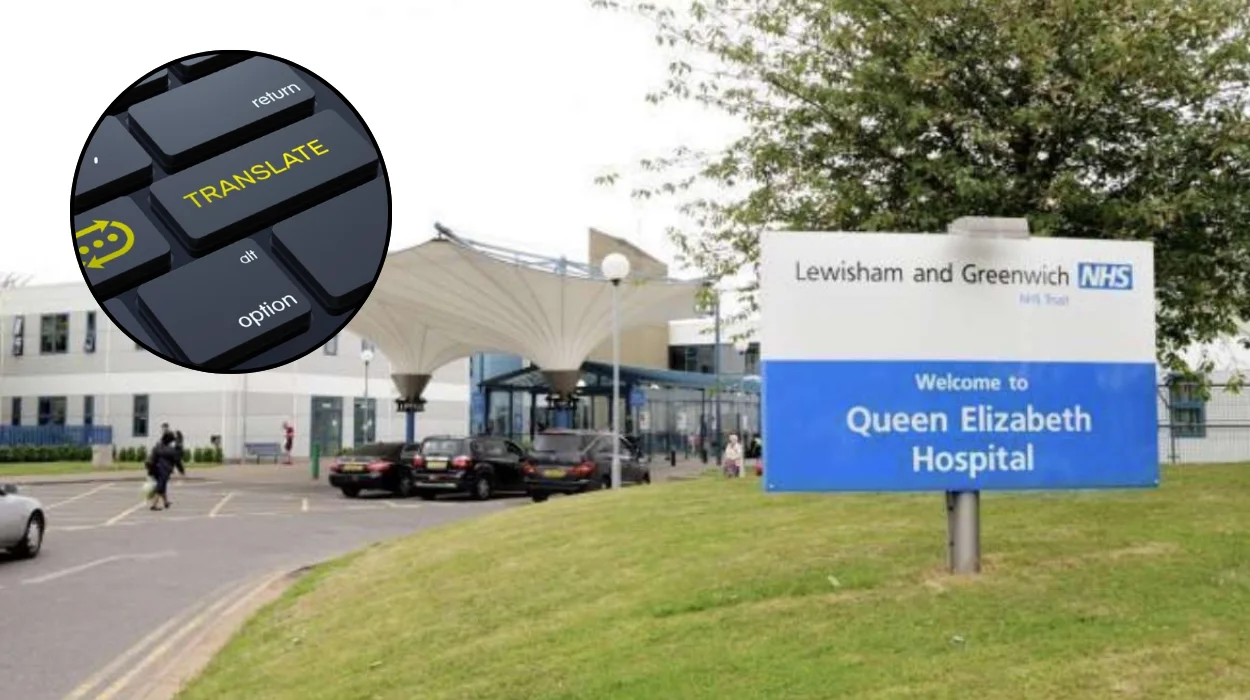
Healthcare practices in Lewisham, Southwark and Lambeth have undergone a significant change by adopting remote interpreting services almost entirely over the past five years. This transition is reported by journalist coverage on Healthcare Leader News and further detailed by Dals, a language service provider. It has resulted in carbon savings that exceed 1,500 tonnes of CO₂e, a substantial contribution to environmental sustainability goals in these boroughs.
- Key Points
- What Is the Impact of Remote Interpreting on Carbon Emissions in Lewisham, Southwark, and Lambeth?
- How Does Remote Interpreting Work and Why Is It More Environmentally Friendly?
- What Role Has South London and Maudsley NHS Foundation Trust Played?
- How Is Technology Being Used to Support These Environmental Goals?
- What Are the Broader Environmental and Policy Contexts Supporting This Change?
- How Does This Initiative Reflect Wider Green NHS and Carbon Reduction Strategies?
Remote interpreting services, such as telephone and video interpreting, eliminate the need for interpreters to travel to healthcare sites, a key source of carbon emissions. Charlotte Gascoyne, Head of Sustainability and ESG at Dals, explains that replacing face-to-face interpreting with remote options significantly decreases the carbon footprint associated with healthcare language support. This shift aligns with broader NHS targets to reduce environmental impact while maintaining high standards of patient care.
How Does Remote Interpreting Work and Why Is It More Environmentally Friendly?
The remote interpreting model allows healthcare staff to access interpreting services on demand, 24 hours a day, seven days a week. Unlike traditional face-to-face bookings, which require advance scheduling to accommodate interpreter travel time, remote interpreting can be accessed instantly from any location. This provides greater flexibility and responsiveness in patient care while eliminating the carbon emissions caused by interpreter commutes.
Charlotte Gascoyne highlighted how this immediate availability makes remote interpreting the preferred choice for many staff. Moreover, this approach is particularly effective when rare languages are required because remote interpreters can service calls from anywhere without additional travel emissions. Consequently, the carbon footprint of a remote interpreting call remains the same regardless of the language being interpreted, a contrast with the variable, often higher emissions from face-to-face appointments.
What Role Has South London and Maudsley NHS Foundation Trust Played?
South London and Maudsley NHS Foundation Trust (SLaM) has been a pioneer in embracing remote interpreting to meet its carbon reduction goals. SLaM’s Green Plan, backed by its board, incorporates sustainability into all operational aspects with an ambition to achieve net zero carbon emissions by 2045, in line with the wider NHS strategy.
As reported by Dals, SLaM worked closely with the language service provider to implement remote interpreting across its departments. This collaboration not only helped reduce emissions but also increased operational efficiency and improved the experience for patients with limited English proficiency. The elimination of travel-related emissions from interpreters has been a significant factor in SLaM’s progress on its environmental targets.
How Is Technology Being Used to Support These Environmental Goals?
Dals has introduced innovative technology such as the linguist locator tool, enhancing environmental benefits even when face-to-face interpreting is unavoidable. This tool optimises the selection process by matching interpreters who are geographically closer to the appointment location, thereby reducing travel distance and associated emissions.
Charlotte Gascoyne has underscored the importance of adopting future-thinking and environmentally friendly technology in achieving sustainability in healthcare interpreting. This dual focus on green innovation and service quality ensures that environmental goals do not compromise patient care.
What Are the Broader Environmental and Policy Contexts Supporting This Change?
The effort to shift to remote interpreting forms part of a larger environmental movement in London boroughs such as Lewisham, Southwark, and Lambeth. These boroughs have air quality action plans and carbon reduction targets that align with the significant achievements reported in healthcare interpreting.
Lewisham Council, for example, has ambitions to cut carbon dioxide emissions by 60% by 2025 as part of its broader air quality strategies. Coordination among neighboring boroughs is a crucial element, reflecting the shared responsibility to tackle pollution that transcends administrative boundaries.
How Does This Initiative Reflect Wider Green NHS and Carbon Reduction Strategies?
The NHS’s commitment to net zero by 2045 is a comprehensive framework that encourages all trusts and providers to adopt measures reducing their carbon footprint. Remote interpreting is one impactful example demonstrating how operational practices can be reconfigured to support these goals without compromising service quality.
This strategy founded on ethical and sustainable care is emblematic of the growing integration of ESG principles in healthcare. As Charlotte Gascoyne noted in a Business Green interview, communicating a clear vision that aligns sustainability with operational efficacy is critical to bringing about lasting change.