Key Points
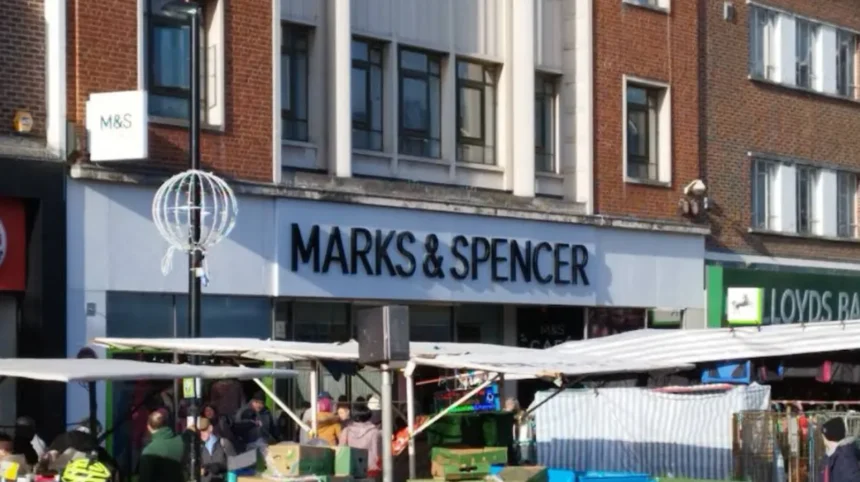
- Marks & Spencer has closed down its long-running Lewisham town centre store permanently on August 1, 2026.
- According to M&S, changing shopping patterns among consumers made them decide to shut down in order to pursue a new store rotation policy throughout the UK.
- Ricky Hill, the Regional Manager of M&S, has announced the closure of the store, mentioning that the company is exploring opportunities to open up a new food-centric store in the locality in future.
- Residents and shoppers in Lewisham have expressed their views about the kind of business or service facility that must come up in place of the old store.
Lewisham (South London News) September 5, 2026 – The permanent closure of the Marks & Spencer department store in Lewisham town centre on August 1, 2026, marked the end of an era for local retail, prompting immediate discussion among residents regarding the future of the high-street site.
The decision to close the branch was executed as part of the retailer’s broader UK-wide store rotation programme, which aims to realign physical outlets with changing consumer trends. M&S Regional Manager Ricky Hill addressed the community at the time of the announcement, thanking customers for their loyalty over the years and confirming that the company is actively exploring options to open a dedicated food outlet within the area at a later date. In the interim, M&S directed its customer base to nearby operating locations in Blackheath and Bromley.
Following the departure of the major anchor tenant, local community members and shoppers have expressed strong opinions regarding what type of establishment should move into the vacant premises. Rather than simply requesting another traditional commercial department store, feedback from the public highlights a distinct mix of practical, economic, and community-driven preferences for the central site.
Why Did Marks & Spencer Close Its Lewisham Store?
The departure of Marks & Spencer from Lewisham town centre reflects wider structural shifts occurring across the UK retail sector. According to official statements issued by the company, changing consumer habits—particularly the accelerated move towards online shopping and altered high-street footfall patterns—rendered the continuation of the full-line department store unsustainable under its current operational model.
M&S has been actively executing a nationwide estate transformation strategy. This programme involves consolidating multi-category physical stores—which offer clothing, home goods, and food under one roof—in favour of opening streamlined, modern Foodhalls or relocating to higher-density retail parks. While the closure represents a loss of a central department store for Lewisham, the retailer’s stated interest in securing a prospective food-only site indicates that the company maintains commercial interest in the local demographic.
What Do Local Shoppers Want to See Open in the Space?
In the weeks following the store’s official shuttering, local residents have voiced a range of ideas for the repurposing of the large real estate footprint. A significant portion of the community has expressed a desire for affordable grocery or department alternatives to help serve everyday shopping needs within the town centre.
Suggestions put forward by residents include major budget retailers, independent market-style hubs, community facilities, and recreational spaces. Many shoppers pointed out that the central location and size of the building make it a key asset for maintaining consistent footfall in the area. Opinions gather around ensuring that whatever replaces the former retailer remains accessible, affordable, and aligned with the daily requirements of the local population.
Explore More Lewisham News
Lewisham Council Signs £1.5bn Housing Deal With Hill Group, Lewisham 2026
Lewisham Council Names Hill Group £1.5bn Partner: Lewisham 2026
Background of the Lewisham Retail Landscape Development
Lewisham town centre has been undergoing a period of economic and structural transition. Over recent years, high streets across the United Kingdom have faced mounting pressure from rising operational costs, changing consumer preferences, and increased competition from digital commerce platforms. The loss of long-established anchor tenants like Marks & Spencer often serves as a catalyst for local councils and landlords to reconsider town centre planning and urban regeneration strategies.
The Lewisham area itself has seen ongoing investment in residential developments and transport infrastructure, altering the surrounding demographic and footfall dynamics. As major traditional retailers evaluate the profitability of older premises, town centres increasingly face the challenge of balancing commercial retail space with leisure, food services, and community-oriented infrastructure. The vacant M&S unit represents one of the most prominent retail spaces in the borough, making its eventual reoccupation a central element in the ongoing commercial viability of the shopping precinct.
How Will This Commercial Shift Affect Local Residents and Businesses?
The repurposing of the former M&S premises will directly influence both consumers and nearby trade operators within Lewisham town centre.
For local shoppers, the immediate impact remains the loss of a major multi-category retailer on their doorstep, requiring travel to neighboring districts such as Blackheath or Bromley for specific goods. The eventual nature of the replacement tenant will determine whether the site continues to serve as a convenient destination for daily essentials or shifts toward a different retail category altogether.
For surrounding small business owners and high-street traders, the outcome carries notable economic implications. Anchor stores traditionally generate steady footfall that benefits adjacent shops, cafés, and market stalls. A prolonged vacancy could lead to reduced pedestrian traffic in the immediate vicinity, whereas a prompt and popular replacement—whether a value retailer, a dedicated food store, or a mixed-use community hub—could restore consumer momentum and support the wider local economy.