Key Points
- Middle Park, a relatively unknown neighborhood in South East London, has turned out to be one of the most sought-after real estate markets in the capital.
- As per industry data, houses in the neighborhood are sold within a period of only 51 days on average.
- The average price of houses in the neighborhood is £506,000 and represents an affordable option compared to the London-wide average price of over £663,000.
- Located in the Royal Borough of Greenwich, the neighborhood was built in the 1930s on the hunting grounds of historic Eltham Palace.
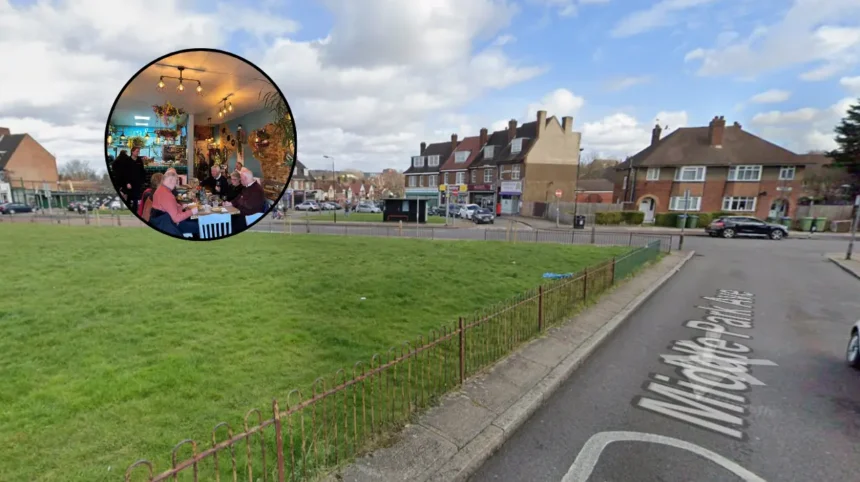
- Demand for houses in the neighborhood has been fueled by its leafy streets, residential nature, and community vibe.
South London (South London News) September 14, 2026 — Middle Park has officially recorded a dramatic surge in home buyer demand, establishing the lesser-known South East London enclave as one of the most competitive residential markets in the capital. Data compiled by property portal Rightmove revealed that homes across the area are selling in an average of just 51 days, positioning Middle Park among London’s fastest-moving property markets.
Why is Middle Park seeing an unprecedented surge in home sales?
The sudden influx of buyers into Middle Park highlights a broader shift in prospective homeowner priorities across Greater London. Built predominantly during the 1930s on land that originally served as the royal hunting grounds for Eltham Palace, the residential estate offers a combination of suburban tranquility and historic context within the Royal Borough of Greenwich.
Market figures indicate that the average property price in Middle Park currently stands at £506,000. Whilst representing a significant commitment for first-time purchasers and moving families, the figure remains substantially below the overall London property market average, which continues to hover above £663,000.
Property analysts attribute the area’s growing popularity to its leafy surroundings, quiet residential thoroughfares, and strong community identity. The location provides buyers with access to green spaces while maintaining access to central London transport links, making it an increasingly viable choice for working professionals and growing households seeking extra living space.
How does Middle Park compare to the wider London housing market?
The broader London property market has experienced fluctuating transaction speeds over recent years, driven by shifting interest rates, mortgage availability, and evolving economic pressures. Against this backdrop, Middle Park’s 51-day average transaction speed stands out as a clear indicator of sustained demand outstripping local supply.
Across the wider capital, properties frequently remain listed for extended periods as high asking prices alienate prospective buyers facing stringent lending assessments. In contrast, Middle Park’s mid-tier valuation structure of £506,000 provides a relative entry point for buyers who have been priced out of neighbouring, higher-density districts such as Greenwich town centre, Blackheath, or Dulwich.
The housing stock in Middle Park consists predominantly of 1930s semi-detached and terraced family homes, many of which feature private gardens and potential for structural extensions. Industry observers note that properties of this era and size profile remain in short supply across inner London boroughs, further accelerating sales activity when listings appear on the open market.
What historical background shapes the Middle Park development?
The origin of the estate
To understand the current layout and appeal of Middle Park, it is necessary to examine its historical roots. The land was originally part of the vast royal estate surrounding Eltham Palace, a major royal residence used by English monarchs from the 14th to the 16th century, including King Henry VIII during his childhood.
The 1930s housing expansion
During the interwar period of the 1930s, municipal planning initiatives led to the transformation of the former hunting grounds into a planned residential suburb. Designed to alleviate overcrowded living conditions in inner London, the estate was constructed with an emphasis on low-density housing, generous garden allocation, and wide, tree-lined avenues.
Modern evolution
Over the decades, the estate transitioned from predominantly public housing stock to a high proportion of owner-occupied residences. This transition, accelerated by Right to Buy schemes in the late 20th century and subsequent private sales, established the mixed-tenure community visible today, maintaining its distinct 1930s architectural character throughout recent decades.
How will this property market surge affect prospective buyers, local residents, and the wider area?
The rapid pace of home sales and rising demand in Middle Park are poised to impact multiple local stakeholders across the Royal Borough of Greenwich:
- Prospective Homebuyers: Buyers seeking value in South East London face heightened competition in Middle Park. With homes selling in under two months, prospective purchasers will likely need pre-approved mortgage agreements and quick decision-making capability to secure listings. As demand persists, the historical price gap between Middle Park and broader London averages may gradually narrow.
- Existing Homeowners and Sellers: Property owners within the estate stand to gain increased equity as demand drives robust valuations. The rapid turnover of stock provides sellers with stronger negotiating leverage, reducing the risk of prolonged market exposure or discounted final sale prices.
- Local Community and Infrastructure: Increased residential interest is anticipated to fuel investment in local commercial amenities, transport services, and community infrastructure. However, an influx of new residents could simultaneously increase pressure on local school admissions, primary healthcare services, and street parking capacity across the neighbourhood’s central thoroughfares.