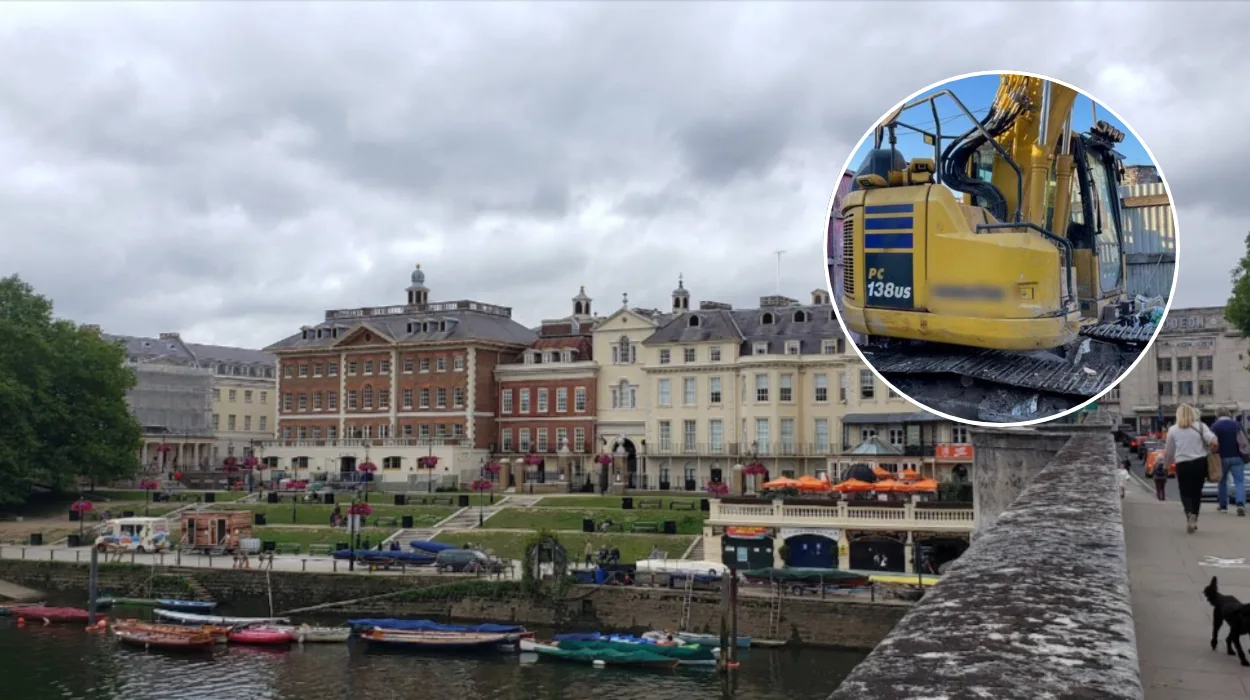
Key Points
- Demolition permits in Richmond upon Thames and Wandsworth have increased by 166.6% between 2021 and 2023, according to an analysis by Sundemolition.
- A total of 43 demolition permits were issued across the two boroughs from 2021 to 2025.
- In 2024 alone, 19 permits were issued, with an additional 11 recorded from January to September 2025.
- The surge reflects homeowners and developers maximising land value in high-value areas where property prices exceed the London average.
- Average house price in Richmond upon Thames stands at £785,000, while in Wandsworth it is £696,000, per Office for National Statistics data.
- Mat Stewart, building expert at Sundemolition, stated: “Demolition isn’t just about tearing down an old building, it’s about unlocking the site’s potential. For investors, underused properties can be converted into high-value residential or commercial spaces.”
- Mat Stewart further noted: “The rise in demolition permits that we’re observing in Richmond and Wandsworth signifies a genuine transformation in how both homeowners and developers are viewing underused properties.”
- This trend is part of broader redevelopment efforts in neighbourhoods with premium property values.
Richmond and Wandsworth (South London News) February 7, 2026 – Demolition permits in the affluent boroughs of Richmond upon Thames and Wandsworth have surged by 166.6%, driven by homeowners and developers seeking to maximise land value through redevelopment. An analysis of Freedom of Information data by Sundemolition reveals 43 permits issued across both boroughs from 2021 to 2025, highlighting a sharp rise from earlier years. Experts attribute this boom to high property prices, with averages well above London’s norms, fuelling conversions of underused sites into premium residential and commercial spaces.
- Key Points
- What Caused the 166% Surge in Demolition Permits?
- Who Is Behind the Demolition Trend?
- How Do Property Prices Fuel Redevelopment?
- What Regulations Govern Demolitions in These Boroughs?
- What Are the Implications for Homeowners and Investors?
- Is This Part of a Wider London Trend?
- What Does Sundemolition Say About the Future?
- Expert Views on Unlocking Site Potential
- Local Council Responses and Data Access
- Impacts on Communities and Environment
What Caused the 166% Surge in Demolition Permits?
The dramatic increase stems from economic pressures and opportunities in these prime South London locations. As reported in Yahoo UK News, the 166.6% rise occurred between 2021 and 2023, with permits jumping amid soaring property demands. Sundemolition’s Freedom of Information request to local councils uncovered this trend, showing developers targeting sites for higher-yield projects.
In 2024, 19 permits were granted, followed by 11 more up to September 2025, indicating sustained momentum into late last year. Sundemolition, a specialist in sustainable demolition across London and the South East, conducted the analysis to spotlight how redevelopment unlocks potential in high-value zones.
Their expertise in eco-friendly practices, including concrete crushing and waste management, aligns with the green redevelopment push.
Property prices underpin this activity. According to the Office for National Statistics, Richmond upon Thames boasts an average of £785,000, while Wandsworth averages £696,000—both far exceeding London-wide figures. These premiums incentivise tearing down older structures for modern builds.
Who Is Behind the Demolition Trend?
Mat Stewart, building expert at Sundemolition, provides key insights into the drivers. As quoted by Yahoo UK News, Mr Stewart said:
“Demolition isn’t just about tearing down an old building, it’s about unlocking the site’s potential. For investors, underused properties can be converted into high-value residential or commercial spaces.”
The Intermediary also covered Mr Stewart’s comments, emphasising the shift in perception. He added:
“The rise in demolition permits that we’re observing in Richmond and Wandsworth signifies a genuine transformation in how both homeowners and developers are viewing underused properties.”
Sundemolition, operating from bases covering London, promotes sustainable methods like site clearance and land remediation, positioning itself at the forefront of this wave.
Local councils play a regulatory role. Richmond Council requires a £388 fee for demolition notices since April 2025, plus site plans, and enforces conditions like shoring adjacent buildings and disconnecting utilities. Exemptions apply to small structures under 50m³ or internal demolitions in occupied buildings. Listed buildings demand separate consents, with unauthorised work risking prosecution.
How Do Property Prices Fuel Redevelopment?
High values make demolition viable. In Richmond, the £785,000 average reflects desirability near the Thames and green spaces. Wandsworth’s £696,000 figure supports similar dynamics, with strong transport links boosting appeal.
Office for National Statistics data confirms these as premium markets, where redeveloping yields substantial returns. Sundemolition’s analysis ties this directly to the permit surge, as underutilised plots become goldmines for luxury homes or mixed-use schemes.
Broader London trends amplify this. While some regions saw demolition declines, South East hotspots like these buck the pattern due to land scarcity. Nearby regeneration, such as Isleworth’s riverside conversions, signals spillover effects.
What Regulations Govern Demolitions in These Boroughs?
Councils impose strict rules. Richmond mandates notifications six weeks ahead, covering rubbish removal, drainage sealing, and no on-site burning without control. Conservation areas or listed sites require planning permission or Listed Building Consent.
Wandsworth’s planning decisions, like those in May 2025, reference demolitions tied to larger student housing projects under S106 agreements. Freedom of Information requests, as used by Sundemolition, provide transparency on approvals.
From April 2025, fees ensure processing, with payments via card. These measures balance growth with safety and heritage protection.
What Are the Implications for Homeowners and Investors?
For homeowners, demolitions offer site optimisation amid rising costs. Developers eye conversions for profit, transforming garages or extensions into valuable assets. Mat Stewart of Sundemolition underscores this: investors convert underused properties into high-value spaces.
Residents face changes, with new builds potentially altering neighbourhoods. However, councils’ conditions mitigate disruptions, like weatherproofing neighbours. Sustainability features, via firms like Sundemolition, promote recycling and lower landfill use.
Is This Part of a Wider London Trend?
Yes, though localised. Sundemolition notes a
“broader trend towards maximising land value”
in above-average price areas. While London saw overall demolition drops, high-value pockets like Richmond and Wandsworth surge.
Regeneration hotspots nearby, including Hounslow’s mixed-use schemes, indicate regional momentum. Major developments in Richmond, like 21/3107/FUL for 104 units post-demolition, exemplify this. Wandsworth’s statistics for early 2025 track planning amid growth.
What Does Sundemolition Say About the Future?
Sundemolition positions demolition as opportunity. Their services—excavation, decontamination, brownfield regeneration—support eco-redevelopment. Mat Stewart’s quotes suggest ongoing transformation as values rise.
With 43 permits to 2025 and momentum continuing, experts foresee more activity. Councils’ updated fees signal preparedness for demand.
Expert Views on Unlocking Site Potential
Building on Mr Stewart’s remarks, the focus is strategic.
“Demolition might be quick, but deconstruction keeps materials in use, cuts landfill waste, and saves money,”
as noted in related coverage of SunEnviro CEO Mathew Stewart—likely the same expert.
This aligns with Sundemolition’s ethos: precision equipment for minimal footprint. Investors benefit from turning rubble into reusable aggregates.
Local Council Responses and Data Access
Richmond and Wandsworth facilitate FOI for transparency, as Sundemolition utilised. Major development trackers list post-demolition projects.
No direct council quotes on the surge appear in coverage, but processes ensure compliance.
Impacts on Communities and Environment
Redevelopment promises modern housing but raises density concerns. Sustainability mitigates: Sundemolition’s eco-waste management recycles materials. Councils require community protections.
Nearby hotspots like Isleworth offer family-friendly options without Richmond premiums.