Key Points
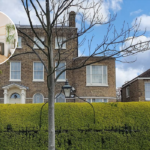
- Sir David Attenborough purchased a home in Richmond, South West London, in 2009, which included the former site of the Hole in the Wall pub.
- On 22 October 2010, builders renovating the property uncovered a human skull buried in the back garden under Victorian-era tiles.
- Forensic analysis, including radiocarbon dating placing it between 1650 and 1880, confirmed the skull belonged to Julia Martha Thomas, a widow murdered in 1879.
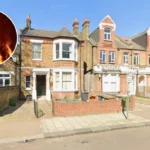
- Julia Thomas, aged about 54, lived at 2 Mayfield Cottages (also Vine Cottages) in Park Road, Richmond, and employed Kate Webster as her housemaid on 29 January 1879.
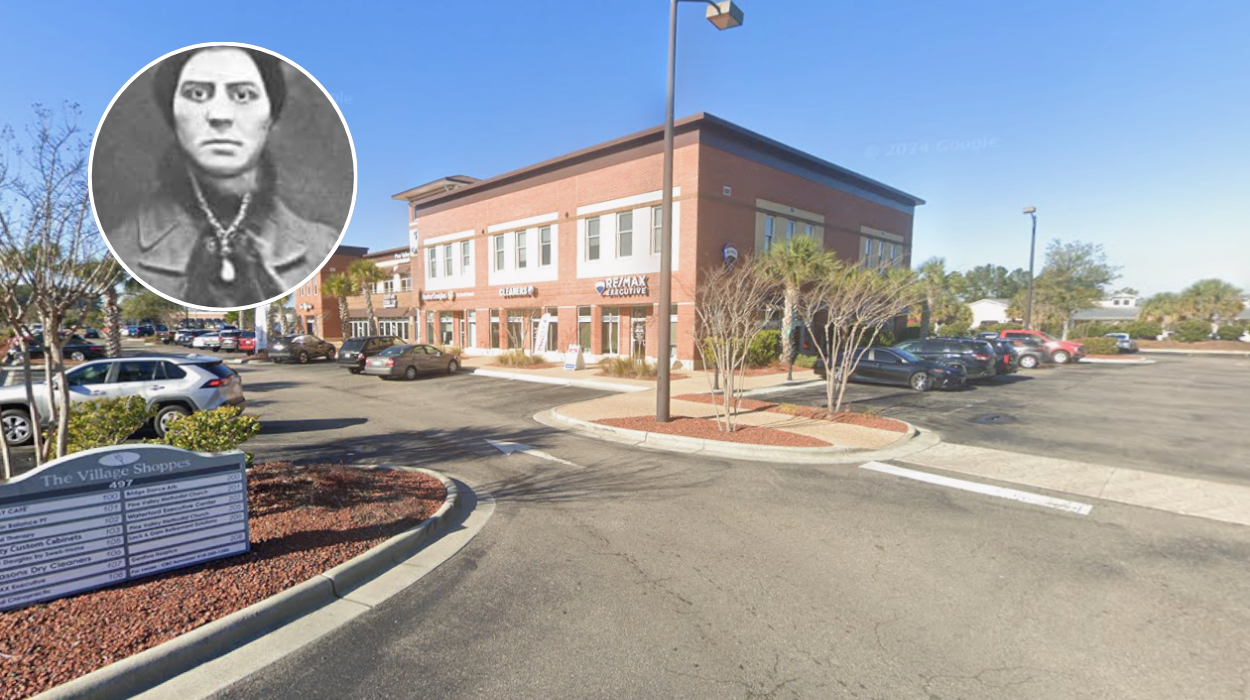
- Kate Webster, a 30-year-old Irish immigrant born Kate Lawler around 1849 in Killanne, County Wexford, had a criminal history including multiple larceny convictions.
- The women’s relationship deteriorated rapidly due to Thomas criticising Webster’s work; Webster was given notice on 28 February but allowed to stay until 2 March.
- On 2 March 1879, after an argument following church, Webster threw Thomas down the stairs, choked her to death, then dismembered, boiled, and disposed of the body.
- Webster posed as Thomas, sold her possessions, and dumped remains in the Thames; body parts washed up, leading to the “Barnes Mystery”.
- Webster fled to Ireland, was arrested on 29 March 1879, tried at the Old Bailey, convicted on 9 July, and hanged on 29 July 1879 at Wandsworth Prison.
- In 2011, coroner ruled the skull was Thomas’s, with cause of death asphyxiation and head injury, closing the case after 131 years.
- The case drew massive media attention, with ballads, wax figures, and souvenirs produced.
Richmond, South West London (South London News) February 2, 2026 – Builders renovating celebrated broadcaster Sir David Attenborough’s home unearthed a human skull in the back garden, unravelling a 131-year-old Victorian murder mystery linked to widow Julia Martha Thomas, killed by her housemaid Kate Webster in 1879. Police investigations confirmed the remains matched Thomas’s after forensic tests, including carbon dating and analysis of fracture marks and low collagen levels consistent with boiling. The grisly discovery at the former Hole in the Wall pub site brought closure to the notorious “Barnes Mystery” or “Richmond Murder”.
- Key Points
- Who Was Julia Martha Thomas?
- Who Was Kate Webster and Her Background?
- How Did the Relationship Between Thomas and Webster Deteriorate?
- What Happened on the Day of the Murder?
- What Did Webster Do with the Body?
- How Did Webster Dispose of the Remains and Impersonate Thomas?
- How Was Webster Exposed and Arrested?
- What Evidence Led to Conviction at Trial?
- What Was Webster’s Fate?
- How Did Sir David Attenborough’s Renovation Solve the Mystery?
- Why Did the Case Captivate Victorian Society?
Who Was Julia Martha Thomas?
Julia Martha Thomas was a 54-year-old widow and former schoolteacher living alone at 2 Mayfield Cottages in Park Road, Richmond. Described by her doctor George Henry Rudd as “a small, well-dressed lady”, she had been widowed twice, her second husband dying in 1873, and maintained an eccentric lifestyle with frequent travels. As reported in Wikipedia’s detailed account on the murder, Thomas sought status by employing live-in help despite financial modesty, but struggled to retain servants due to her harsh nature and irregular habits.
Neighbours viewed her as excitable, and she habitually dressed to appear prosperous. Her last diary entry on 28 February 1879 read: “Gave Katherine warning to leave.”
Who Was Kate Webster and Her Background?
Kate Webster, born Kate Lawler around 1849 in Killanne, County Wexford, Ireland, was a tall, strongly-built woman about 5 feet 5 inches with a sallow, freckled complexion. As detailed by The Daily Telegraph in contemporary reports cited in Wikipedia, she had a notorious past: imprisoned for larceny in Wexford at age 15 in 1864, four years penal servitude in Liverpool in 1868, 18 months in Wandsworth in 1875 for 36 theft charges, and another year in 1877.
Webster claimed marriage to a sea captain and four lost children, but moved frequently using aliases like Webb and Gibbs, giving birth to son John in 1874. She temporarily worked for Miss Loder via friend Sarah Crease, leading to her hiring by Thomas on 29 January 1879 without background checks, as noted by Devon Live.
How Did the Relationship Between Thomas and Webster Deteriorate?
The employment began promisingly, but soured quickly. As Webster later stated in her confession cited across sources:
“At first I thought her a nice old lady … but I found her very trying, and she used to do many things to annoy me during my work. When I had finished my work in my rooms, she used to go over it again after me, and point out places where she said I did not clean, showing evidence of a nasty spirit towards me.”
Thomas asked friends to stay over, fearing solitude with Webster. On 28 February, she dismissed her but granted three more days until 2 March. As per Pam Lecky’s Victorian murder account, Webster returned late from a half-day off on Sunday, sparking fury.
What Happened on the Day of the Murder?
On 2 March 1879, Thomas attended evening service at the Presbyterian church appearing “very agitated”, telling a congregant Webster had “flown into a terrible passion” after rebuke. Returning home around 9 pm, confrontation ensued. In her confession, Webster recounted:
“Mrs. Thomas came in and went upstairs. I went up after her, and we had an argument, which ripened into a quarrel, and in the height of my anger and rage I threw her from the top of the stairs to the ground floor. She had a heavy fall. I felt that she was seriously injured and I became agitated at what had happened, lost all control of myself and, to prevent her screaming or getting me into trouble, I caught her by the throat and in the struggle choked her.”
Neighbours heard a thump like a falling chair. Some reports, as in The Irish Post, allege an axe was used initially.
What Did Webster Do with the Body?
Webster dismembered Thomas using a razor, meat saw, and carving knife:
“I chopped the head from the body with the assistance of a razor which I used to cut through the flesh afterwards. I also used the meat saw and the carving knife to cut the body up with. I prepared the copper with water to boil the body to prevent identity; and as soon as I had succeeded in cutting it up I placed it in the copper and boiled it.”
She burned bones, noting the “horrible sight” and smell. The head was buried under Hole in the Wall stables; a foot discarded in Twickenham rubbish; remains packed in a Gladstone bag and bonnet box. Rumours of selling boiled fat as dripping persist but lack trial evidence, deemed legend by criminologist Leonard Reginald Gribble.
How Did Webster Dispose of the Remains and Impersonate Thomas?
On 4 March, dressed in Thomas’s silk, Webster visited old neighbours the Porters in Hammersmith as “Mrs. Thomas”, fabricating widowhood and inheritance. She dumped the bag (likely in Thames) near Oxford and Cambridge Arms, then with Robert Porter, dropped the box off Richmond Bridge.
Parts washed up near Barnes Railway Bridge on 5 March, found by Henry Wheatley; a foot in Twickenham. Inquest gave open verdict. Webster sold Thomas’s goods to publican John Church for £68, receiving £18 advance.
How Was Webster Exposed and Arrested?
Neighbours grew suspicious; landlady Miss Ives queried removers on 18 March. Webster fled to Ireland via Liverpool, arrested 29 March at uncle’s farm in Killanne by Royal Irish Constabulary, who recognised her from 1864. Her son went to workhouse. Crowds jeered her train journey.
Police found blood, burned bones, fatty deposits at the house.
What Evidence Led to Conviction at Trial?
The six-day Old Bailey trial from 2 July 1879, prosecuted by Sir Hardinge Giffard, drew crowds including Crown Prince of Sweden. Witnesses detailed timeline; Maria Durden testified Webster mentioned selling “aunt’s” property pre-murder, suggesting premeditation.
Webster implicated Church and Porter unsuccessfully; jury convicted after 75 minutes. She pleaded pregnancy; jury of matrons rejected it.
What Was Webster’s Fate?
Appeal denied by Home Secretary R.A. Cross. Webster confessed fully night before: exonerating others, blaming rage. Hanged 29 July 1879 at Wandsworth by William Marwood’s long drop; buried unmarked. Black flag raised; crowds cheered.
How Did Sir David Attenborough’s Renovation Solve the Mystery?
Attenborough bought the derelict Hole in the Wall pub in 2009 to extend his 1952 home, planning wildlife garden. On 22 October 2010, workers found the skull on Victorian tiles.
University of Edinburgh dated it 1650-1880; fractures matched stairs fall, collagen low from boiling. 2011 coroner verdict: unlawful killing by asphyxiation/head injury, no DNA due to no relatives. Police hailed “old-fashioned detective work” closing “Barnes Mystery”.
Why Did the Case Captivate Victorian Society?
The murder sensationalised press in Britain/Ireland; dubbed “Barnes Mystery”. Madame Tussaud’s wax figure displayed; penny booklets, ballads like “Murder and Mutilation of an Old Lady near Barnes” sold. Illustrated Police News depicted execution.
Webster seen as violating femininity: strong, unemotional, promiscuous, Irish “criminal residuum”. Served as cautionary tale on servants, class, identity.