- Toll Hike: 50-cent increase on seven state-owned Bay Area bridges effective Thursday, 1 January 2026; FasTrak two-axle vehicles from $8 to $8.50.
- Annual Increases: Further 50-cent rises each New Year’s Day until 2030, reaching $10 final toll.
- Affected Bridges: Richmond-San Rafael, Bay Bridge, Carquinez, Benicia, Antioch, San Mateo, Dumbarton (Golden Gate separate, hiked July 2025).
- Revenue Purpose: Funds maintenance, rehabilitation, operation of bridges.
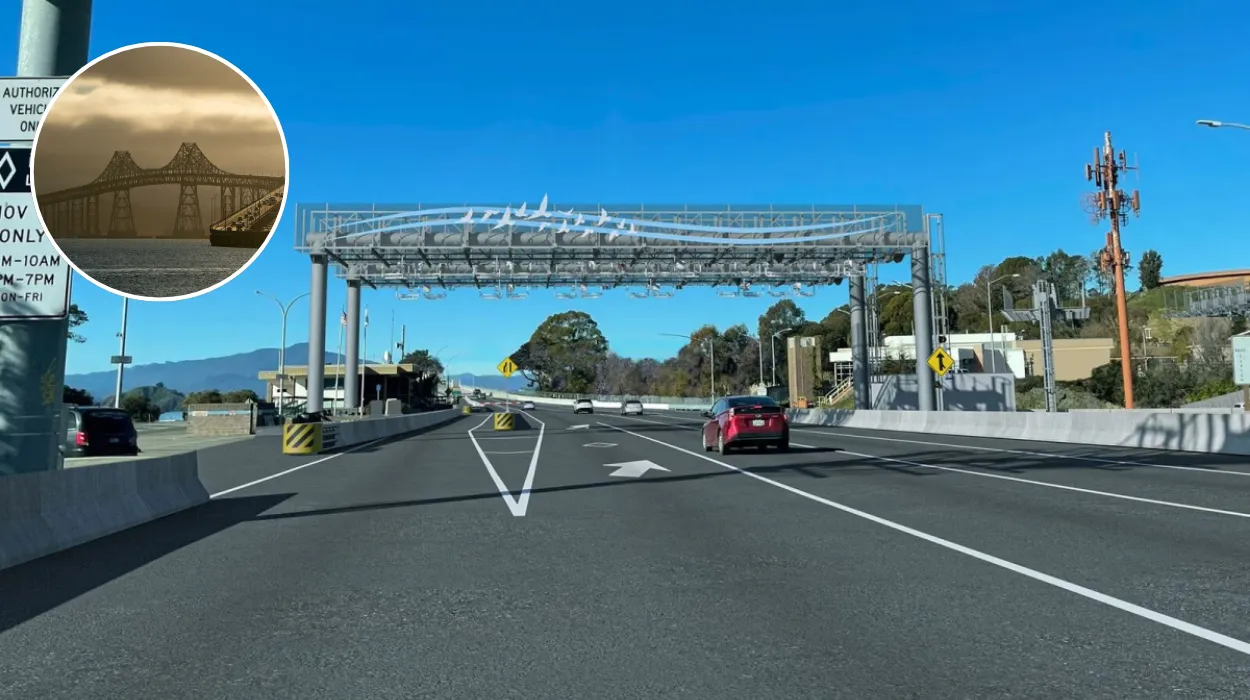
- Richmond Upgrade: First for Open Road Tolling (ORT); reads FasTrak tags at highway speeds, replaces old plaza since 2020.
- Construction Impact: Overhead structures, lane re-striping; overnight delays/closures from January, weather-dependent; check Caltrans District 4.
- Benefits: Reduced congestion, improved safety per Metropolitan Transportation Commission (MTC).
- Context: Part of MTC-led modernisation across Bay Area toll facilities.
Motorists crossing Bay Area state-owned bridges face a 50-cent toll increase from 1 January 2026, coinciding with the Richmond-San Rafael Bridge pioneering a faster Open Road Tolling system to ease congestion.
- What Is the New Toll Price and When Does It Start?
- Which Bridges Are Affected by the Toll Increase?
- What Are the Planned Future Toll Increases?
- Why Is the Richmond-San Rafael Bridge First for Upgrades?
- What Replaces the Old Toll Plaza System?
- When Does Construction Start and What Disruptions to Expect?
- Who Oversees the Bay Area Bridge Toll System?
- How Does ORT Improve on Current FasTrak?
- What Funds Do the Toll Increases Support?
- Why Was the Old Equipment Unused Since 2020?
- How Will Safety Improve with ORT?
- What Is the Timeline for ORT Across Other Bridges?
- Who Manages Construction Updates?
- Does This Affect Non-FasTrak Users?
- How Does Golden Gate Differ?
- What Economic Impact on Bay Area Commuters?
- Broader Context: Bay Area Toll History?
- Driver Preparation Tips?
- Future Expansions Planned?
The hike affects seven bridges including the Bay Bridge and Richmond-San Rafael, raising FasTrak tolls for two-axle vehicles to $8.50, with annual increments planned to $10 by 2030 to support maintenance. Richmond-San Rafael leads upgrades replacing outdated toll plazas unused since 2020 with overhead gantries reading tags at speed. Transportation officials promise smoother traffic despite short-term construction disruptions.
This balanced approach addresses funding needs amid rising infrastructure demands.
What Is the New Toll Price and When Does It Start?
Hike takes effect at dawn 2026.
As reported by staff writers of Richmondside.org in “Richmond bridge replacing toll plaza with a fast way to pay”, “The price motorists will pay to cross state-owned bridges in the Bay Area will go up by 50 cents as 2026 dawns… The toll for two-axle cars and trucks on state bridges that use the FasTrak system will increase from the current $8 to $8.50.”
The article specified: “The 50-cent toll hikes will take effect on Thur., Jan. 1, on the Richmond-San Rafael Bridge, the Bay Bridge, the Carquinez Bridge, the Benicia Bridge, the Antioch Bridge, the San Mateo Bridge and the Dumbarton Bridge.”
Which Bridges Are Affected by the Toll Increase?
Seven state facilities targeted.
Richmondside.org listed: “Richmond-San Rafael Bridge, the Bay Bridge, the Carquinez Bridge, the Benicia Bridge, the Antioch Bridge, the San Mateo Bridge and the Dumbarton Bridge.”
Noted exclusion: “The Golden Gate Bridge is not state-owned, so its separate 50-cent toll increase went into effect in July.”
What Are the Planned Future Toll Increases?
Gradual rises to 2030.
Per Richmondside.org: “There will also be annual 50-cent toll increases every New Year’s Day until 2030. On the final increase, the toll for cars and trucks will be $10.”
Funds earmarked: “The extra money is being used for maintenance, rehabilitation and operation of the seven Bay Area bridges.”
Why Is the Richmond-San Rafael Bridge First for Upgrades?
Leads Open Road Tolling rollout.
As detailed in Richmondside.org: “The Richmond-San Rafael Bridge is first in line for the upgrade… the first in the Bay Area to get a new toll collection system, known as Open Road Tolling (ORT), according to the Metropolitan Transportation Commission.”
MTC stated: “ORT can read FasTrak® toll tags at highway speeds.”
What Replaces the Old Toll Plaza System?
Modern overhead technology.
Richmondside.org explained: “The old equipment, which hasn’t been used since 2020, will be replaced by overhead structures, and lanes will be re-striped.”
Expected outcomes: “It’s expected the project will reduce congestion and improve safety.”
When Does Construction Start and What Disruptions to Expect?
Overnight work from January.
The article advised: “Drivers should expect some delays and possible closures, mainly overnight, when the bulk of the work takes place starting in January, depending on the weather. Visit the Caltrans District 4 website for construction updates.”
Who Oversees the Bay Area Bridge Toll System?
Metropolitan Transportation Commission key.
Richmondside.org attributed: “According to the Metropolitan Transportation Commission… MTC said in a post on its website.”
Caltrans handles District 4 updates.
How Does ORT Improve on Current FasTrak?
Speed reading eliminates stops.
MTC via Richmondside.org: “ORT can read FasTrak® toll tags at highway speeds.”
Replaces static plazas dormant since 2020.
What Funds Do the Toll Increases Support?
Essential bridge upkeep.
Richmondside.org clarified: “The extra money is being used for maintenance, rehabilitation and operation of the seven Bay Area bridges.”
Annual hikes ensure sustained revenue.
Why Was the Old Equipment Unused Since 2020?
Pandemic-era cashless shift.
Implied in Richmondside.org: “The old equipment, which hasn’t been used since 2020.”
Transition accelerated non-stop tolled travel.
How Will Safety Improve with ORT?
Fewer stops reduce risks.
Richmondside.org noted: “It’s expected the project will reduce congestion and improve safety.”
Overhead gantries, re-striped lanes enhance flow.
What Is the Timeline for ORT Across Other Bridges?
Richmond first, others follow.
Article positions Richmond-San Rafael as pioneer; no exact dates for remainder but part of regional modernisation.
Who Manages Construction Updates?
Caltrans District 4 primary.
Drivers directed: “Visit the Caltrans District 4 website for construction updates.”
Weather-dependent scheduling.
Does This Affect Non-FasTrak Users?
Primarily FasTrak referenced.
Richmondside.org specified: “The toll for two-axle cars and trucks on state bridges that use the FasTrak system.”
Pay-by-plate likely similar hikes.
How Does Golden Gate Differ?
Independent operator.
“The Golden Gate Bridge is not state-owned, so its separate 50-cent toll increase went into effect in July.”
What Economic Impact on Bay Area Commuters?
Added costs amid inflation.
50 cents incremental but compounds to $2 total rise by 2030 for regulars.
Broader Context: Bay Area Toll History?
Long-term funding mechanism.
State bridges rely on tolls for self-sustainment, distinct from federal highways.
Driver Preparation Tips?
Get FasTrak, monitor Caltrans.
ORT favours transponder users for seamless passage.
Future Expansions Planned?
Annual hikes signal ongoing investment.
MTC coordinates multi-bridge ORT rollout post-Richmond.