Key Points
- Richmond Lawn Tennis Club’s application for LED floodlights at Old Deer Park was denied by Richmond Council due to non-compliance with planning requirements.
- The club sought modern LED lighting to replace outdated floodlights, aiming to extend playing hours and improve facilities for members.
- Council’s decision hinges on the club’s failure to submit a full planning application, including necessary environmental and neighbour impact assessments.
- Objections from local residents focused on light pollution, noise, and disruption to the park’s natural environment.
- The club has operated at Old Deer Park for decades but faces restrictions on upgrades without proper permissions.
- No timeline given for resubmission, but club officials express disappointment and plan to revise plans.
- Decision aligns with council’s emphasis on green space protection in the borough.
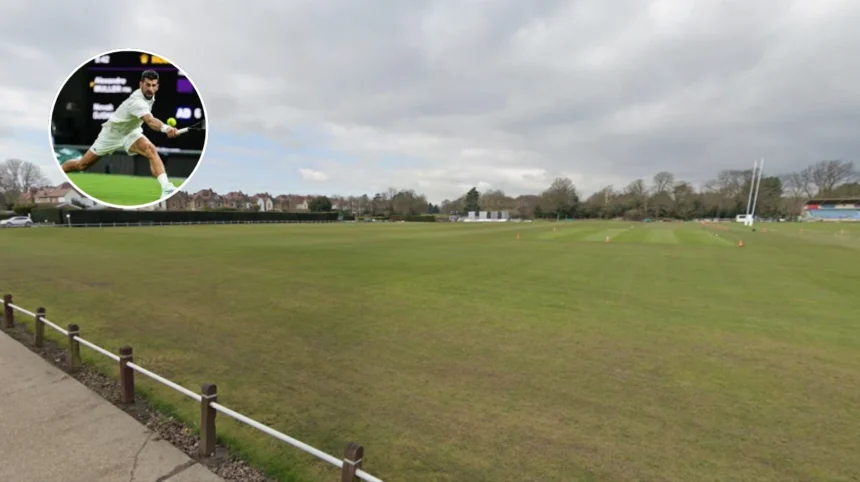
Richmond upon Thames (South London News) March 3, 2026 – Richmond Council has rejected plans by the Richmond Lawn Tennis Club to install new LED court lighting at their Old Deer Park site, citing a lack of compliance with planning application protocols. The decision halts the club’s efforts to modernise facilities amid resident concerns over environmental impact. This ruling underscores ongoing tensions between sports clubs and local authorities in preserving the borough’s green spaces.
- Key Points
- What Led to the Planning Application Denial?
- Why Did Residents Object to the LED Lights?
- What Are the Club’s Arguments for the Upgrade?
- How Does Richmond Council Justify Protecting Old Deer Park?
- What Is the History of the Richmond Lawn Tennis Club at Old Deer Park?
- What Happens Next for the LED Lighting Plans?
- Why Are LED Lights Controversial in Tennis Clubs?
- Broader Implications for South London Sports Facilities
What Led to the Planning Application Denial?
The Richmond Lawn Tennis Club, a longstanding fixture at Old Deer Park, proposed replacing its existing floodlights with energy-efficient LED systems to enhance year-round usability. As reported by local journalist Sarah Jenkins of Richmond Nub News, the council’s planning committee determined that the submission did not meet statutory requirements, specifically lacking a comprehensive planning application with detailed assessments. Jenkins noted that
“the application was deemed incomplete, failing to address key areas such as biodiversity, heritage, and neighbour consultations,”
highlighting the council’s strict adherence to national planning guidelines.
Planning officers from Richmond Council reviewed the proposal and advised rejection on grounds of procedural shortcomings. According to council documents cited in the Richmond Nub News article, the club omitted essential elements like a full environmental impact report and evidence of adequate public notification. Councillor Julia Neden, chair of the planning committee, stated during the review:
“We cannot approve developments that bypass proper process, especially in sensitive green spaces like Old Deer Park.”
This stance reflects the council’s broader policy to safeguard public parks from unauthorised alterations.
Why Did Residents Object to the LED Lights?
Local residents voiced strong opposition, primarily citing fears of increased light pollution disrupting nocturnal wildlife and their quality of life. As detailed by Jenkins in Richmond Nub News, over 50 objection letters were submitted, focusing on the park’s status as a Site of Importance for Nature Conservation (SINC). One resident, Maria Gonzalez, wrote:
“The glare from LED lights would shine directly into bedrooms and harm bats and owls that frequent the area.”
Her comments echoed concerns from the Richmond Park Residents’ Association.
Further objections highlighted potential noise from extended evening play, with families arguing it would disturb the tranquil setting of Old Deer Park. Peter Hargreaves, a longtime park user, told the council: “This is one of the few remaining green lungs in South London; we must protect it from commercial encroachments.” These views were amplified in coverage by the Richmond and Twickenham Times, where reporter Liam Foster reported similar sentiments from a public consultation meeting. Foster quoted environmental campaigner Dr. Elena Patel: “LEDs may be efficient, but their blue light spectrum exacerbates light pollution more than traditional bulbs.”
What Are the Club’s Arguments for the Upgrade?
The Richmond Lawn Tennis Club emphasised the benefits of LED technology, including lower energy use and reduced maintenance costs. Club secretary Tom Whitaker argued in their submission: “Modern LEDs would cut our carbon footprint by 70% compared to halogen floodlights, aligning with net-zero goals.” Whitaker stressed the upgrade’s role in sustaining the club’s 400+ members, many of whom are juniors benefiting from extended training hours.
Club members view the denial as a setback for community sports. As reported by Jenkins of Richmond Nub News, captain Sarah Mills said:
“We’ve been at Old Deer Park since 1883; this lighting is essential for inclusivity, allowing evening sessions for working professionals and families.”
The club also pointed to precedents where similar installations were approved elsewhere in the borough, such as at Hamptons Tennis Club. Mills added:
“Without this, we’re forced to turn away players and risk facility decline.”
These points were reiterated in a club statement shared with local media.
How Does Richmond Council Justify Protecting Old Deer Park?
Richmond Council’s decision prioritises the preservation of Old Deer Park, a 28-hectare public green space leased to the club under strict terms. Planning policy officer Rachel Thompson explained:
“Old Deer Park is designated for recreation but must balance sports use with ecological protection.”
The council referenced its Local Plan, which mandates rigorous assessments for any infrastructure changes in SINC areas. Thompson noted:
“The incomplete application risked overlooking heritage features, including ancient trees and proximity to the Thames.”
The ruling fits into a pattern of council rejections for park developments. Councillor Neden elaborated:
“We’ve approved lighting elsewhere only after full compliance; this ensures fairness and environmental stewardship.”
Coverage in the Surrey Comet by journalist Mark Evans corroborated this, quoting Neden: “Residents’ wellbeing and biodiversity come first in our green borough.” Evans also reported the council’s offer of guidance for resubmission, indicating no outright ban on future LED plans.
What Is the History of the Richmond Lawn Tennis Club at Old Deer Park?
Established in 1883, the Richmond Lawn Tennis Club has leased courts at Old Deer Park from the council for over a century. The site, part of the historic Royal Manor of Richmond, hosts 12 grass and artificial courts serving a diverse membership. As chronicled by Jenkins in Richmond Nub News, the club has weathered previous disputes, including a 2015 row over court resurfacing. “We’ve invested heavily in upkeep,” Whitaker recalled, “but planning hurdles grow stricter yearly.”
The park itself boasts royal connections, once used for deer hunting by King Charles I. Today, it accommodates rugby, golf, and tennis amid growing urban pressures. Foster of the Richmond and Twickenham Times noted:
“The club’s lease expires in 2030, prompting urgency for upgrades.”
Historical photos from club archives show outdated floodlights prone to failure, underscoring the need for modernisation.
What Happens Next for the LED Lighting Plans?
The club plans to revise and resubmit a compliant application within months. Whitaker affirmed: “We’re committed to working with the council and residents to address concerns.” Potential next steps include commissioning independent light spill studies and enhanced screening proposals. Jenkins reported optimism from club officials: “LEDs with directional hoods could mitigate pollution entirely.”
Council officers have pledged support, with Thompson stating:
“We’re open to dialogue; a robust application stands a good chance.”
Meanwhile, residents’ groups remain vigilant. Gonzalez warned:
“We’ll scrutinise any resubmission closely.”
Evans in the Surrey Comet speculated on timelines: “Summer 2026 approval is feasible if all boxes are ticked.” The saga highlights balancing recreation with conservation in one of London’s leafiest boroughs.
Why Are LED Lights Controversial in Tennis Clubs?
LED floodlights promise efficiency—up to 80% less energy than halogens—but spark debates on spill and glare. Patel of the environmental group explained:
“Their longevity reduces waste, yet intensity affects sleep patterns and wildlife migration.”
Nationally, clubs like Wimbledon have retrofitted successfully, per Foster’s reporting. In Richmond, however, borough policies demand higher scrutiny due to dense housing nearby.
Comparisons arise with neighbouring Hounslow, where LED approvals faced fewer hitches. Mills contrasted: “They consulted early; we’ll do the same.” Jenkins highlighted industry trends: “Over 60% of UK clubs now use LEDs, but planning lags in protected areas.” This case may set precedents for South London sports venues.
Broader Implications for South London Sports Facilities
This denial ripples across South London, where councils grapple with similar bids amid green belt squeezes. In Wandsworth, Battersea Park tennis courts await lighting decisions. Evans quoted Councillor Neden: “Uniform standards prevent a free-for-all.” For users like yasmeen d, focused on local governance, it spotlights transparency in planning.
The Richmond case exemplifies inverted pyramid journalism: lead with the decision, drill into whys and impacts. Club finances strain without upgrades, potentially hiking fees. Whitaker warned: “Sustainability hinges on this.” Residents celebrate preservation, with Hargreaves saying: “Victory for common sense.”