Key Points
- Downing Street said Google should “do the right thing” over a YouTube video featuring a message from Russell Brand.
- The Ministry of Justice asked Google to remove the video, saying victims should not have to encounter distressing content.
- Google reportedly rejected the request after deciding the video did not breach its rules, while saying its teams were investigating.
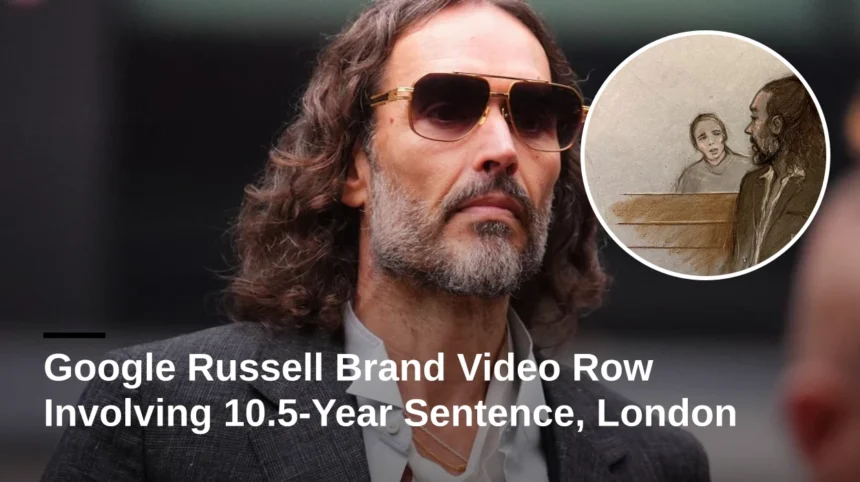
- Brand is serving a 10-and-a-half-year sentence after his conviction at Southwark Crown Court for one count of rape and three sexual assaults.
- The Government said it cannot legally compel YouTube to remove the video.
London (South London News) November 19, 2026 – Downing Street has said Google should “do the right thing” over a YouTube video in which convicted rapist Russell Brand claims he is innocent, while acknowledging that the Government cannot compel the platform to remove it. The video was posted by Brand’s wife, Laura Gallacher, after she read a message from him during their YouTube programme. The Ministry of Justice submitted a formal request to Google, which owns YouTube, but reports said the company determined that its rules had not been broken.
Why has Downing Street asked Google to remove the Russell Brand video?
As reported by ITV News in “Google should ‘do the right thing’ over Russell Brand video, Downing Street says”, a Downing Street spokeswoman said ministers trusted Google to “do the right thing”. She said the Prime Minister’s position was that Russell Brand’s victims “deserve peace” and that the Government had “heard enough from him”.
The spokeswoman said YouTube had previously suspended Brand from making money on the platform and that ministers trusted the company to act again. She added that removing the video ultimately depended on YouTube’s terms and conditions.
The Ministry of Justice said it had asked for the content to be removed because it was distressing for victims. The ministry also acknowledged that removal depended on the platform’s own rules.
What did Google say about the request?
According to BBC reporting cited by The Independent, Google rejected the Government’s request after determining that the video did not breach its rules. The video remained available on YouTube in the latest reports.
A Google spokesperson said the company was aware of the new content and that its teams were investigating. Google also said it suspended Brand’s channel from the YouTube Partner Programme in September 2023 and that the channel had not been able to monetise on YouTube since then.
What happened before the Government request?
Laura Gallacher shared the video on Sunday and read a message from Brand, who said he was not guilty of the offences for which he had been jailed. Downing Street described the message as “clearly appalling”, and officials began investigating whether Brand had breached prison rules by communicating it.
The Prison Service of England and Wales formally requested removal on the basis that the content was offensive to Brand’s victims and had reached a substantial audience, according to BBC reporting.
Brand was convicted at Southwark Crown Court on November 5 of one count of rape and three sexual assaults. He is serving a 10-and-a-half-year term. Meta disabled his Instagram and Facebook accounts after his conviction.
How have politicians responded?
Housing Minister Matthew Pennycook told BBC Breakfast that the Government had no legal power to mandate the removal of content and that the decision rested with Google. He told Sky News that Ministry of Justice officials were in dialogue with the company.
Conservative leader Kemi Badenoch said Brand had been convicted and that the rule of law applied to everyone. She said his wife was a separate person and could make her own statements, but expressed concern about prisoners using other people to send messages.
Badenoch also said YouTube was a private platform and that she would be concerned about the Government immediately demanding that private companies remove content without first establishing whether a law had been broken.
What could happen to Google’s audience if it keeps the video online?
If Google maintains its decision, the video could remain accessible to viewers interested in Brand, prison communications, freedom of expression and the treatment of victims after conviction. Continued availability could also increase scrutiny of YouTube’s content rules and moderation decisions among audiences who expect platforms to respond to Government requests involving convicted offenders.
If Google removes the video after its investigation, it would demonstrate that the company had applied its own terms differently or identified a policy concern. In either case, YouTube’s decision could affect audience trust, media attention and future Government requests involving high-profile content.