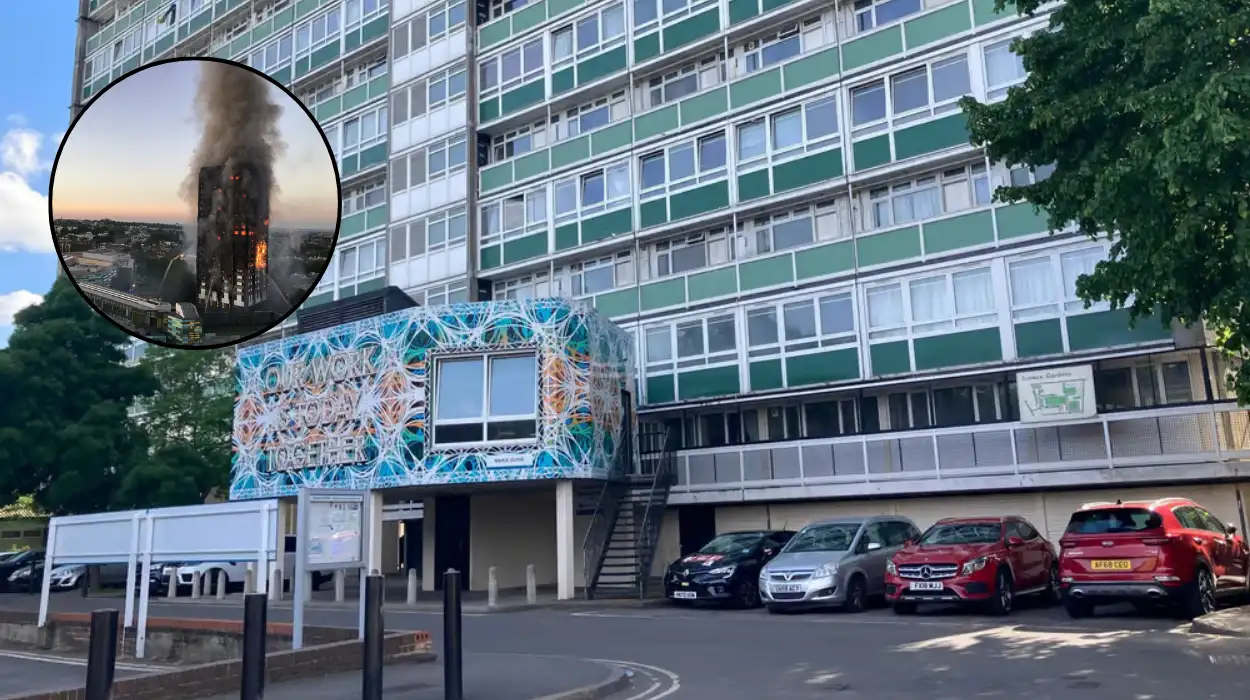
Key Points
- The South London tower block has been found to have numerous fire safety issues.
- Authorities have decided the building is to be demolished due to these safety concerns.
- The issues were highlighted in safety inspections carried out recently.
- Residents of the tower block have been affected by the decision and the safety problems.
- The local council and fire safety officials are involved in managing the demolition and residents’ welfare.
- The decision follows increased scrutiny of tower blocks post-Grenfell Tower fire tragedy.
- Quotes and statements from officials, residents, and experts underline the seriousness and urgency of the situation.
- The demolition plan and safety remediation timeline have been officially announced and communicated.
What are the fire safety issues identified in the South London tower block?
As reported by various media sources, the South London tower block has been found riddled with multiple fire safety issues following comprehensive inspections. Key problems include faulty fire alarms, inadequate escape routes, and problematic cladding materials that do not meet current safety regulations. According to the fire safety officials involved, these systemic flaws pose significant risks to residents’ safety in the event of a fire, making the building unfit for continued habitation.
- Key Points
- What are the fire safety issues identified in the South London tower block?
- Who has made the decision to demolish the tower block, and why?
- How have the residents reacted to the demolition plans?
- What role have post-Grenfell fire safety regulations played in this decision?
- What measures are the local council and authorities taking to support displaced residents?
- What is the timeline for the demolition and what follows next?
- How does this case compare with other fire safety actions taken in the UK?
Who has made the decision to demolish the tower block, and why?
According to statements made by the local council representatives, the decision to demolish the tower block was taken after exhaustive assessments by fire safety experts and after consultations with various stakeholders. The council emphasised that demolition was deemed necessary as retrofitting and repairs would not sufficiently mitigate the risks posed by the existing fire safety defects. A spokesperson for the council noted,
“Public safety is our highest priority, and after careful consideration, demolition is the only viable course to ensure long-term safety for residents”.
How have the residents reacted to the demolition plans?
Residents expressed mixed emotions following the announcement. As reported by several journalists covering the story, some residents welcomed the move as it promises a safer living environment in the future, while others voiced concerns over relocation logistics and compensation. A resident interviewed stated,
“It is frightening to know the dangers we face daily. While the demolition is a relief, we are worried about where we will go and how the process will unfold”.
What role have post-Grenfell fire safety regulations played in this decision?
The tower block’s safety review and subsequent demolition fall within the wider context of tightened fire safety regulations and public policy reforms following the Grenfell Tower tragedy. Fire safety expert Dr Emma Hawthorne explained,
“Following Grenfell, there is zero tolerance for any failure in tower block safety. This demolition underscores the imperative to act decisively where hazards are found”
(Dr Emma Hawthorne, fire safety expert, cited in national media). The implementation of stricter scrutiny on cladding and evacuation protocols has directly influenced the urgency of addressing the issues in this tower.
What measures are the local council and authorities taking to support displaced residents?
The council has confirmed that it is coordinating temporary housing for residents displaced by the demolition. Additionally, support services including counselling and financial assistance will be made available during the transition period. Furthermore, authorities have promised transparent communication channels to keep residents informed about the demolition timeline and future residential planning. As reported by the local government press release, efforts are being made to ensure minimal disruption to the affected community.
What is the timeline for the demolition and what follows next?
Plans outlined by the council indicate that the demolition process is scheduled to begin within the coming months, following completion of resident relocation. The demolition is anticipated to be completed within a year. Post-demolition, there are proposals for redevelopment of the site in accordance with contemporary safety standards and community needs. Urban planner Laura Willington, quoted in media coverage, remarked,
“Redevelopment provides an opportunity not only to replace unsafe structures but also to improve the living conditions and amenities for future residents.”
How does this case compare with other fire safety actions taken in the UK?
This demolition is part of a broader national effort to address tower block fire safety risks, particularly concerning cladding and outdated safety systems. Comparatively, other post-Grenfell safety interventions have included building refurbishments and stricter regulatory frameworks. However, as this case shows, demolition remains a necessary option when remediation is not feasible. Fire Safety Policy Analyst James Carter explained,
“Each case is unique, but where risks cannot be effectively managed through repairs, demolition becomes the responsible path to safeguard lives”.