Current discussions around a proposed hotel development near the market highlight these ongoing changes. While some local concerns focus on the potential impact on the area’s character, the development is also part of a longer pattern of urban evolution. As Holland notes,
“the area around it has always evolved. That is part of being in a living city.”
The market’s response to such change is centred on continuity of values rather than resistance to development. Its identity remains tied to independent traders, high-quality produce and strong community connections. These elements, rather than the surrounding infrastructure, define its long-term stability.
The apprehension between preservation and progress is not new.
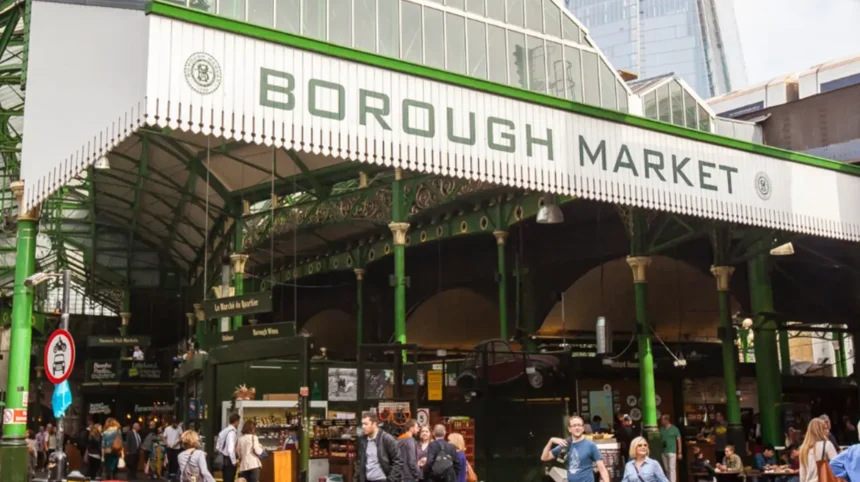
Having long stood as one of London’s most recognisable food institutions, balancing its historic role as a place of trade with its modern identity as a destination for high-quality produce. While the market has evolved over time, its central purpose-to connect people with good food, remains consistent. This evolution continues to define the market today, with a focus on seasonality, sustainability and transparency. In this context, nearby developments, including the proposed hotel, reflect a familiar pattern. Change has always shaped both the market and the city around it and remains part of how places like Borough adapt while holding onto what matters most.
Shane Holland, Chair of Trustees, emphasises this focus:
“Borough Market has always been about quality first… food produced with care for the environment, animal welfare and the people behind it-with fair pay, transparent supply chains and high standards at its core.”
Explaining
“the ability to talk directly to the person who grew, made or sourced your food… this access to knowledge…to a better way of eating”
This commitment shapes how accessibility is understood within the market.
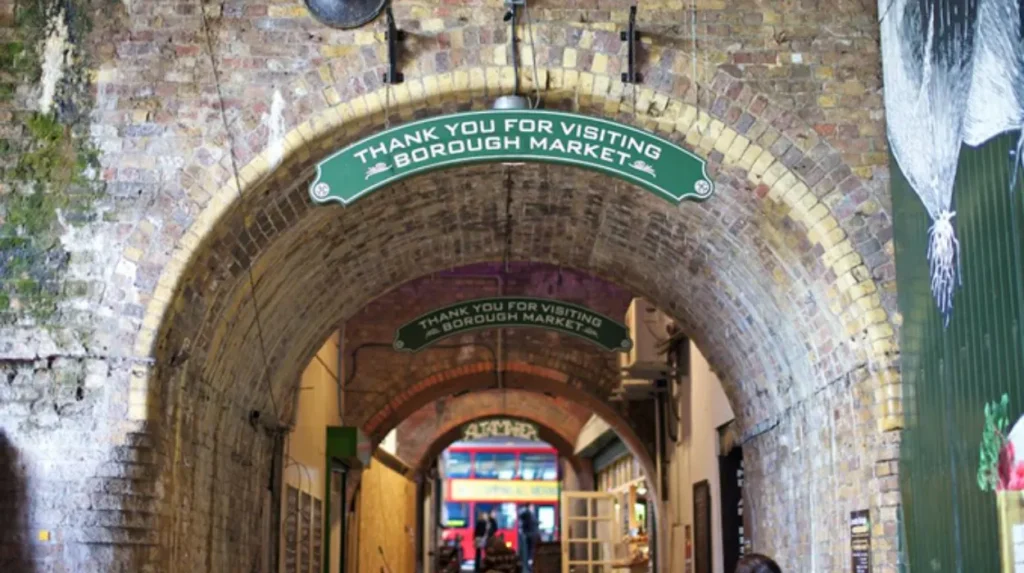
The market’s role has also expanded beyond local provision. It is now an internationally recognised food destination, attracting visitors from across the UK and abroad. Despite this, its leadership maintains that its primary identity remains local.
“Today, it is a retail market with a global reputation… but we are first and foremost London’s food market.”
This dual function, serving both residents and visitors, reflects broader changes within London’s urban landscape. Borough Market has physically expanded into surrounding railway arches and nearby spaces, mirroring the city’s growth and increasing demand for experiential food environments. Beyond commerce, Borough Market plays an increasing role in public engagement with food. Initiatives focused on seasonality, sustainability and education aim to strengthen understanding of food systems among both residents and visitors. By making these concepts visible, through changing produce and direct interaction with traders- the market positions itself as a space for learning as well as purchasing.
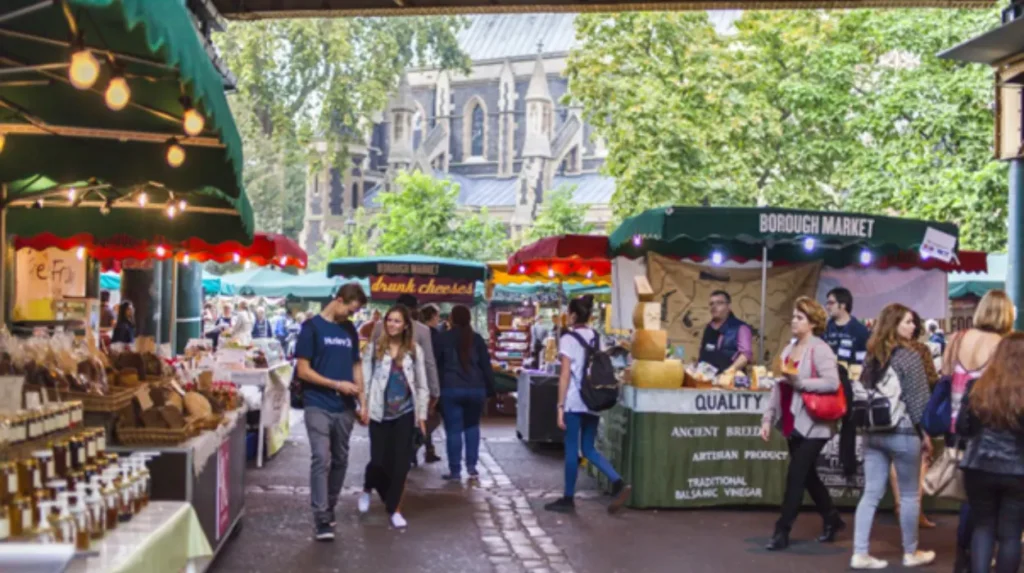
Highlighting this broader function
“Markets can be a place for human connection and conversation”
this proposed hotel allows this market to reach a wider audience, honing in on the idea of a changing London landscape.
As London continues to evolve, Borough Market’s ability to balance tradition with adaptation remains central to its relevance. Its transition from wholesale hub to retail destination reflects wider economic and social shifts, but its core principles, quality, independence and connection, have remained intact.
For all the changes around it, Borough Market has not lost its essence. If anything, it has strengthened it, proving that a market can evolve, welcome the world, and remain exactly what it has always been, a place built on great food, and the people behind it.