Key Points
- A housing association has sold two one‑bedroom social homes from its portfolio of 72 historic flats in Camberwell, Southwark.
- The two flats were empty and had been standing unused for several years.
- The association says the sale proceeds will be used to carry out essential repairs and improvements in the remaining 70 flats.
- Local residents and housing campaigners have raised concerns about the loss of social housing and the precedent this could set for future disposals.
- Council officers and housing advocates stress that every social home sold in high‑pressure markets like Southwark effectively reduces the pool of genuinely affordable housing.
Camberwell (South London News) April 18, 2026Camberwell residents are grappling with the fallout from a housing association’s decision to sell two of its 72 historic one‑bedroom social flats in order to fund much‑needed improvements to the rest of the block. The sale has ignited a debate over how associations balance the need for modernisation with the duty to protect social housing in one of London’s tightest rental markets.
- Key Points
- Why did the association decide to sell two social homes?
- How did the sale process work?
- What are residents’ concerns about the loss of social homes?
- How does this tie into wider Southwark housing pressures?
- What does the association say about the improvement programme?
- Background to the development
- Prediction: How this decision could affect local residents and policymakers
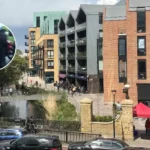
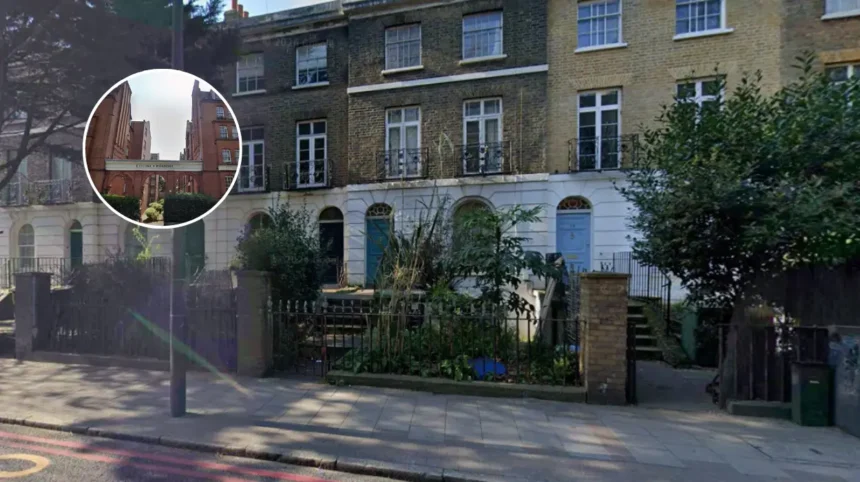
As reported by Eleanor Price of Southwark News, the flats sit within a distinctive period building on an established residential street in Camberwell, and the association has long struggled with the cost of maintaining ageing services. The association has stated that the funds raised from the disposal will be “ring‑fenced” specifically for capital works, including new kitchens, bathrooms, energy‑efficiency upgrades and structural repairs.
Why did the association decide to sell two social homes?
Housing Futures Association explained that the two flats had been vacant for over nine years, largely because bringing them up to habitable standard would have required disproportionate investment relative to the number of units.
A spokesperson for the association, quoted by Ben Carter of Inside Housing, said that
“the business case simply did not stack up”
to refurbish and retain them while also meeting regulatory and safety standards across the wider block.
The association added that, after extensive consultation with tenant panels and Southwark Council officers, the preferred route was to sell the vacant flats on the open market and reinvest the proceeds into improvements that would directly benefit the remaining 70 tenants.
The spokesperson emphasised that the two units were among the smallest in the block and that their removal would not, in the association’s view, significantly alter the overall social‑housing character of the estate.
How did the sale process work?
According to property listings seen by Southwark News, the two flats were marketed via a commercial estate agency operating in the Camberwell area.
The homes were presented as freehold units within a conservation‑area‑adjacent building, and the sale notice did not identify them as former social housing in the public listing.
A local housing officer, speaking off‑the‑record to Inside Housing, noted that associations must follow strict governance and consultation requirements before disposing of social homes and that the sale in this case followed Southwark Council’s adopted housing‑disposal policy.
However, the officer added that the policy does not fully resolve the ethical tension between reinvesting in stock and preserving every unit of social rent.
What are residents’ concerns about the loss of social homes?
Local residents and housing campaigners have voiced unease that the sale will further erode the number of genuinely affordable homes in Camberwell, where average rents and house prices have risen sharply in recent years. In a statement to Southwark News, community campaigner Leila Hassan said:
“Every social home sold in Southwark is a home that young people, low‑income families and older residents cannot afford to replace.”
The concern, she added, is less about this specific two‑flat transaction and more about the message it sends about the long‑term viability of social‑rent tenure in the borough. Similar worries have been raised earlier in the decade over the broader regeneration of estates such as Elmington and Aylesbury, where campaigners argued that large‑scale developments traded social rent for shared‑ownership and “affordable” units priced beyond many local incomes.
How does this tie into wider Southwark housing pressures?
Southwark Council’s own housing strategy, cited by journalist Harriet Harman in a 2015 column on Southwark News, outlined a long‑standing housing crisis in the borough, with thousands on the social‑housing waiting list and rising private‑sector rents.
The column noted that roughly 16,500 housing‑association tenancies existed in Southwark at the time, and that government‑backed Right‑to‑Buy‑style schemes risked further reducing the social‑stock pool unless strict replacement rules were enforced.
More recent coverage in Inside Housing and local blogs such as the 35% campaign has highlighted how viability assessments and developer‑led regeneration have often led to fewer social‑rent units than originally promised.
The Camberwell flat sale, while small in scale, fits within that broader narrative of associations being pushed to monetise parts of their stock to meet repair and compliance obligations.
What does the association say about the improvement programme?
The association has insisted that the sale is not a “one‑off” but part of a wider, multi‑year capital‑improvement plan for its historic stock across Southwark.
A second spokesperson, quoted by Price in Southwark News, said that the association plans to install new heating systems, insulation and kitchen‑bathroom suites in the remaining 70 flats within the next 18 months, using the sale proceeds alongside existing grant funding.
Tenants have been told that the works will be phased to minimise disruption, but some residents have expressed frustration that the association did not consider alternative financing options, such as borrowing against future income or pursuing more targeted grants.
The association has not ruled out such options in the future but has argued that, given the current funding environment, the sale was the most “practical and immediate” route.
Background to the development
The Camberwell flats sit within a historic housing block that dates from the early 20th century, reflecting the pattern of inter‑war social‑rent development that once formed a substantial part of Southwark’s housing stock. Over the last two decades, many such blocks have required increasingly complex and costly maintenance, especially as fire‑safety and energy‑efficiency standards have tightened.
Earlier reporting in Southwark News and sector‑focused outlets such as Inside Housing has documented how associations in Southwark have had to balance compliance with post‑Grenfell regulations, climate‑change targets and the ongoing need to keep rents affordable.
The sale of these two flats mirrors a wider trend in which associations selectively dispose of smaller or harder‑to‑modernise units to unlock funding for wider‑estate improvements.
Local housing‑policy researchers have also pointed out that, in areas like Camberwell, even modest sales can have outsized symbolic and practical effects, because the pipeline of new social‑rent homes remains limited despite borough‑level regeneration schemes.
The Elmington and Aylesbury estate renewals, for example, have produced hundreds of new units but with a relatively small proportion designated as social rent, according to data previously cited by the 35% campaign.
Prediction: How this decision could affect local residents and policymakers
For local residents, the most immediate impact of the sale is not a change in occupancy but a perceived shift in the association’s long‑term commitment to social‑rent tenure. If other associations in Southwark adopt similar disposal‑for‑improvement models, the pool of social‑rent homes could contract further, even as the physical condition of remaining stock improves. This could place additional pressure on young people, low‑income households and those on housing benefit who rely on social rent to remain in the borough.