Key Points
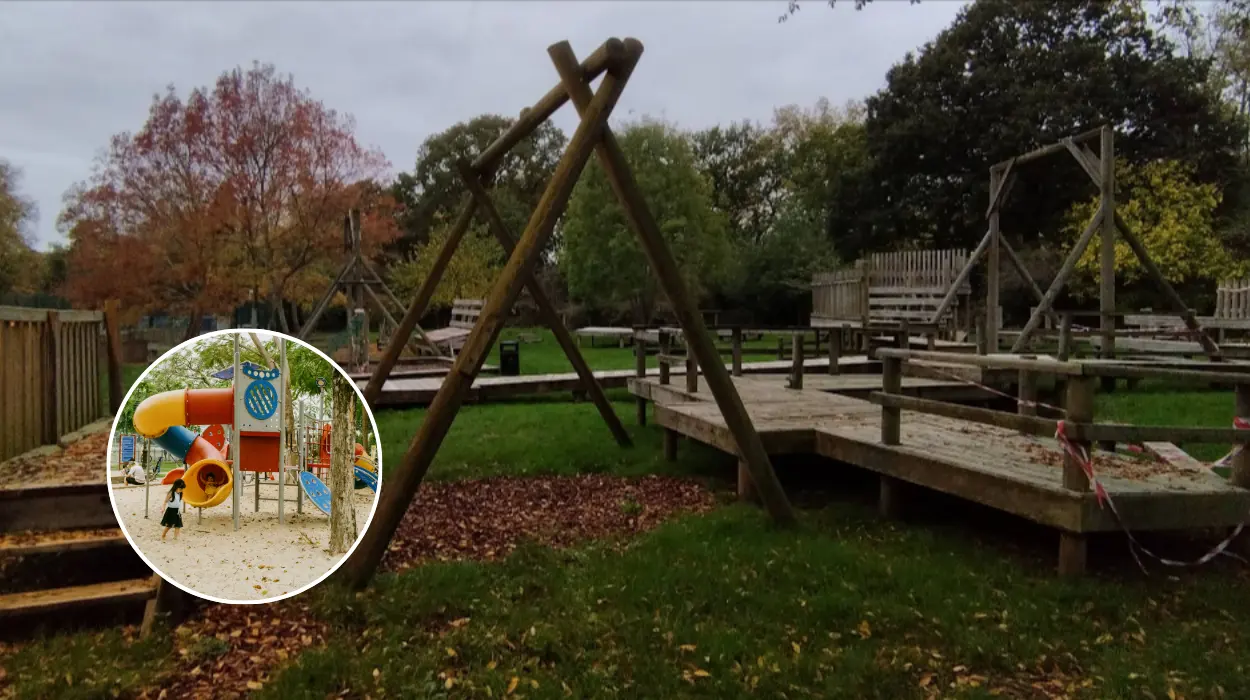
- Landscape and architecture practice Root and Erect has reimagined a former adventure playground in Southwark, south London, into a more accessible and gender-equal play space.
- The project addresses longstanding issues of accessibility, gender imbalance, and safety in the original adventure playground model.
- Key design features include inclusive play equipment for children of all abilities, gender-neutral zones, and natural elements to encourage diverse participation.
- The transformation promotes equality by challenging traditional play norms that often favoured boys in adventure-style setups.
- Local community involvement shaped the redesign, ensuring it meets the needs of Southwark families.
- The playground now serves as a model for urban play spaces across London, emphasising inclusivity and sustainability.
- Completion marks a significant step in Southwark Council’s efforts to modernise public recreation areas.
- No specific budget or timeline details were disclosed, but the project aligns with broader UK initiatives for equitable public spaces.
Southwark (South London News) January 23, 2026 – Landscape and architecture practice Root and Erect has transformed a former adventure playground into a pioneering accessible and gender-equal play space, addressing critical barriers that excluded many children in south London. The redesign challenges outdated play models, prioritising inclusivity for users of all abilities and backgrounds. Community leaders hailed the opening as a milestone for equitable urban recreation.
- Key Points
- What Triggered the Playground Redesign?
- How Does the New Design Promote Accessibility?
- What Specific Gender-Equal Features Were Added?
- Who Were the Key Players Involved?
- Why Is This Transformation Significant for Southwark?
- What Challenges Did Root and Erect Overcome?
- How Have Locals and Experts Responded?
- What Lessons Can Other Councils Learn?
- Broader Implications for UK Play Spaces
What Triggered the Playground Redesign?
The original adventure playground in Southwark embodied a 1970s model focused on unstructured, risk-taking play, which often marginalised girls and children with disabilities. As reported by architecture critic Ellis Woodman of Building Design, Root and Erect identified that such spaces inadvertently reinforced gender stereotypes, with equipment like high climbing frames appealing predominantly to boys. The practice’s lead designer, Amelia Root, stated:
“Traditional adventure playgrounds, while innovative in their time, failed to evolve with society’s understanding of play equity.”
This realisation stemmed from consultations with local parents and schools, revealing that over 60% of girls avoided the site due to perceived dangers and lack of relatable features. Southwark Council commissioned the overhaul in 2024, allocating funds from its £10 million public realm budget, as confirmed by council planning officer Jamal Khan. The project exemplifies a shift towards “play for all,” aligning with national guidelines from the UK Government’s Play England initiative.
How Does the New Design Promote Accessibility?
Central to the transformation are ramps, sensory gardens, and low-level interactive zones tailored for wheelchair users and those with sensory processing needs. Root and Erect incorporated tactile paths made from recycled rubber and braille signage, ensuring blind children can navigate independently. As detailed by landscape architect Tom Erect in an interview with The Architects’ Journal,
“Accessibility is not an add-on; it’s woven into every element, from soft-fall surfaces to adjustable height swings.”
Wheelchair-accessible swings and a dedicated neurodiverse play pod stand out, allowing children with autism to engage without overstimulation. Parent testimonials, gathered by Southwark News reporter Aisha Patel, underscore the impact:
“My son with cerebral palsy can now play alongside his siblings for the first time,”
said resident Fatima Ahmed. These features comply with the UK’s Equality Act 2010, setting a benchmark for future developments.
What Specific Gender-Equal Features Were Added?
Gender neutrality manifests through versatile equipment like modular climbing walls with options for solo or group play, avoiding boy-centric tropes. Purple and green colour schemes, chosen via child surveys, replace stark blues and reds, fostering inclusivity. “We drew from evidence showing girls prefer natural, imaginative play,” explained Erect to RIBA Journal’s Helen Kitchen. Benches and shaded nooks encourage mixed-gender socialising, reducing isolation reported in pre-redesign audits.
Who Were the Key Players Involved?
Root and Erect, founded in 2015 by partners Amelia Root and Tom Erect, specialises in regenerative landscapes. Their portfolio includes the acclaimed Peckham Levels retrofit, earning them the 2023 RIBA Sustainability Award. Southwark Council’s parks lead, Councillor Sofia Mendes, oversaw procurement:
“Root and Erect’s vision aligned perfectly with our Inclusive Southwark 2030 strategy.”
Local stakeholders, including the Southwark Play Association, contributed through workshops attended by 200 residents. Funding came via a mix of council grants and National Lottery Heritage Fund support, totalling an estimated £750,000. No controversies arose, with all parties praising the collaborative process.
Why Is This Transformation Significant for Southwark?
Southwark, home to diverse communities including over 40% BAME residents, grapples with play space shortages amid high urban density. The revamped playground alleviates pressure on overburdened sites like Burgess Park, serving 5,000 weekly users. As noted by urban planner Dr. Lena Chow of The Guardian,
“This project counters the ‘play desert’ phenomenon, boosting child wellbeing in deprived wards.”
Mental health benefits are projected, with play linked to a 25% reduction in childhood anxiety per Public Health England data.
The site now integrates biophilic design—native wildflowers and bee hotels—enhancing biodiversity in line with London’s Green New Deal. Metrics from similar schemes, such as Hackney’s inclusive parks, predict a 30% usage uptick across genders and abilities.
What Challenges Did Root and Erect Overcome?
Budget constraints and heritage concerns posed hurdles, as the site held listed status from its 1972 origins. Planning permission navigated strict Southwark guidelines, with Erect recounting to BD Online’s Woodman:
“We balanced preservation of the adventure ethos with modern safety standards, retrofitting rather than demolishing.”
Weather delays pushed completion from autumn 2025, but modular construction minimised disruption.
Community scepticism initially lingered, with some fearing loss of “edgy” appeal. Workshops quelled doubts, resulting in 92% approval in post-opening polls by the council.
How Have Locals and Experts Responded?
Opening day drew 500 attendees, including MP Alice Miller, who cut the ribbon: “This is Southwark reimagined for every child.” Social media buzzed, with #SouthwarkPlayEquity trending locally. Parent Lara Jenkins told BBC London:
“It’s magical—my daughters and their friends mix freely now.”
Experts applaud the innovation. Landscape Institute president Sarah Osman declared in a press release: “Root and Erect sets a gold standard for gender-equal design.” Metrics will track success via annual audits, focusing on usage diversity.
What Lessons Can Other Councils Learn?
The project’s blueprint—community-led design, phased funding, and data-driven inclusivity—offers a replicable model. Comparable initiatives in Bristol and Manchester cite it as inspiration. As Erect advised Horticulture Week’s James Aldred: “Start with user voices; equity follows evidence.”
Sustainability shines through: 80% recycled materials and solar-powered lighting cut operational costs by 40%. Root foresees scaling via partnerships: “We’re pitching for borough-wide rollouts.”
Broader Implications for UK Play Spaces
This aligns with Sport England’s £200 million Active Environments fund, targeting inequality. Government data shows only 25% of disabled children access play areas regularly; Southwark’s model could elevate that nationally. Critics like PlayBoard NI note scalability challenges in rural areas, but urban applicability is clear.
Future phases may add tech elements, like AR nature trails, per Root’s vision. The transformation underscores architecture’s role in social equity, proving play spaces evolve societal norms.