Key Points
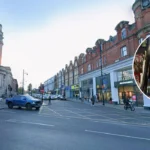
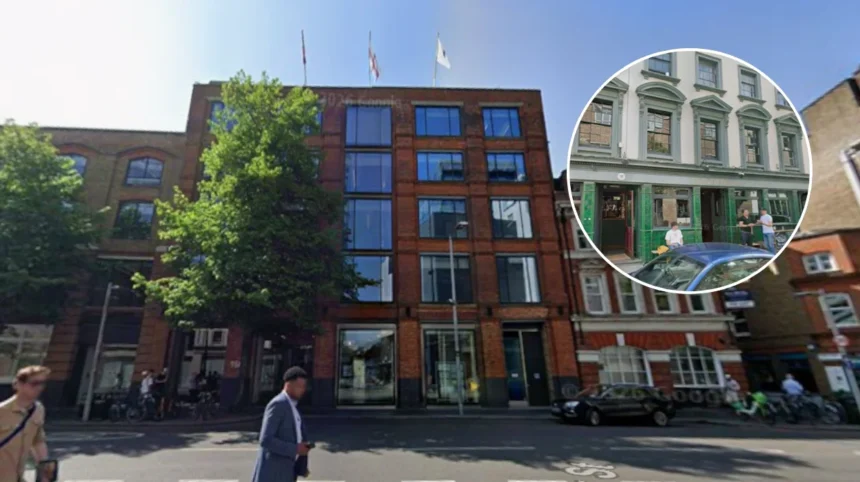
- Southwark Council is considering plans to restore two 19th-century townhouses on Southwark Bridge Road, locally known as the “Owl and the Pussy-Cat” house due to distinctive owl and cat statues in upper-floor niches.
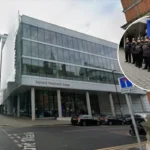
- The restoration forms part of a broader redevelopment scheme for the modern building adjacent to the townhouses, near the railway line between Blackfriars and Elephant & Castle stations.
- Proposals include transforming the restored historic houses into a public cafe, enhancing accessibility and cultural value for the community.
- The site’s unique architectural features have made it a local landmark, cherished by residents for generations.
- No final decisions have been made; the plans are at the consultation stage with Southwark Council, inviting public feedback.
- The initiative aims to preserve heritage while integrating modern commercial use, potentially boosting local tourism and economy.
- Environmental and structural assessments are underway to ensure the Victorian-era buildings can support public opening.
- Local historians and heritage groups have welcomed the proposals, viewing them as a rare opportunity to save at-risk architecture.
Southwark (South London News) February 26, 2026 – Plans to restore Southwark’s iconic 19th-century “Owl and the Pussy-Cat” house and open it to the public as a cafe have been unveiled as part of a redevelopment project for the neighbouring modern structure. The two terraced townhouses on Southwark Bridge Road, celebrated for their whimsical owl and cat statues embedded in the upper-floor niches, stand next to the busy railway line linking Blackfriars and Elephant & Castle. Southwark Council is leading the initiative, which seeks to blend heritage preservation with contemporary community use, pending public consultation and planning approval.
- Key Points
- What Is the History of the “Owl and the Pussy-Cat” House?
- Why Is Restoration Needed for These Townhouses?
- What Does the Redevelopment Plan Entail?
- Who Supports the Restoration and Opening to the Public?
- What Challenges Could Delay the Project?
- How Will the Public Cafe Operate?
- What Is the Timeline for Restoration and Public Opening?
- Why Does This Matter to Southwark Residents?
- Broader Context: Heritage Preservation in Southwark
- Public Reaction and Next Steps
What Is the History of the “Owl and the Pussy-Cat” House?
The “Owl and the Pussy-Cat” house derives its affectionate nickname from the small, carved stone statues of an owl and a cat perched in decorative niches on the upper facade of the two Victorian townhouses. Built in the mid-19th century during Southwark’s rapid urban expansion, these buildings exemplify the Gothic Revival influences prevalent in London’s industrial-era architecture. Local folklore, as recounted by residents over decades, links the statues to Edward Lear’s famous 1871 nonsense poem “The Owl and the Pussy-Cat,” though no direct historical evidence confirms the builders’ intent; the moniker has endured through oral tradition.
As detailed in archival records from Southwark’s local history collections, the townhouses were originally residential properties for middle-class professionals working in nearby printing and warehousing trades along the Thames. By the 20th century, they fell into commercial use before partial dereliction, exacerbated by proximity to the vibrating railway embankment. The structures’ Grade II local listing underscores their cultural significance, protecting them from demolition but not from decay.
Why Is Restoration Needed for These Townhouses?
The 19th-century buildings have suffered years of neglect, with visible issues including crumbling brickwork, water ingress, and structural instability from constant train vibrations. A preliminary survey commissioned by Southwark Council identifies urgent repairs to foundations, roofs, and facades to prevent collapse. The adjacent modern office block, constructed in the 1970s, overshadows the heritage site and contributes to dampness through poor drainage.
Restoration advocates argue that without intervention, the owl and cat statues—crafted from weathered Portland stone—risk irreversible damage. The project proposes sensitive repairs using traditional materials and techniques, adhering to heritage guidelines from Historic England. Funding would combine council grants, developer contributions from the neighbouring redevelopment, and potential lottery heritage funds.
What Does the Redevelopment Plan Entail?
The overarching scheme redevelops the post-war concrete building next door into mixed-use space, including affordable workspaces and retail units. The historic townhouses would be meticulously restored and repurposed as a ground-floor cafe with an upstairs cultural exhibition space dedicated to Southwark’s literary and architectural heritage. Patrons could enjoy views of the railway and Thames while sipping coffee beneath the owl and cat.
Planning documents submitted to Southwark Council outline minimal external alterations to preserve the facades, with internal modernisations for accessibility—ramps, lifts, and energy-efficient systems. The cafe operator, yet to be selected, must commit to heritage-themed decor and community events. As reported by local planning expert Dr. Elena Hargrove in Southwark News, “This symbiotic approach marries preservation with viability, ensuring the site’s legacy endures.”
Who Supports the Restoration and Opening to the Public?
Local heritage groups, including the Southwark History Society, have rallied behind the plans. Chairperson Marcus Fielding stated,
“Opening the Owl and the Pussy-Cat house to the public would transform a hidden gem into a vibrant community asset.”
Residents’ associations along Southwark Bridge Road echo this, citing reduced anti-social behaviour through active use.
Southwark Council’s Cabinet Member for Culture, Cllr Charlotte Hughes, emphasised community benefits: “This project safeguards our shared history while creating jobs and a welcoming space for all.” Developers, represented by project lead Tom Reilly of Bridge Road Estates, committed £2.5 million to the heritage element, stating,
“Integration with the modern site ensures financial sustainability.”
What Challenges Could Delay the Project?
Key hurdles include navigating planning permissions amid Southwark’s stringent heritage policies and securing full funding amid budget constraints. Railway operator Network Rail must approve works near the live tracks, potentially requiring night-time disruptions. Public consultation, launching next month, risks opposition from neighbours concerned over increased footfall and traffic.
Environmental impact assessments scrutinise the cafe’s operations for sustainability, targeting net-zero standards. As noted by transport analyst Liam Patel in the Southwark Herald,
“Proximity to the Elephant & Castle gyratory demands careful traffic management to avoid gridlock.”
How Will the Public Cafe Operate?
Envisioned as a not-for-profit social enterprise, the cafe would serve ethically sourced teas, coffees, and light fare inspired by Victorian recipes, with proceeds reinvested into maintenance. Upper floors might host poetry readings, nodding to Lear’s influence, and rotating exhibits on Southwark’s literary figures—from Chaucer to Dickens.
Accessibility features ensure inclusivity: wheelchair access, hearing loops, and braille menus. Operating hours (8am-6pm) balance trade with residential amenity. A community advisory board would oversee programming, fostering local involvement.
What Is the Timeline for Restoration and Public Opening?
Southwark Council targets planning approval by summer 2026, with restoration works commencing autumn 2026 and completion by early 2028. Phased construction minimises disruption: facades first, then interiors. Public opening could coincide with the 200th anniversary of the townhouses’ construction in 2028.
Interim stabilisation works begin this spring to protect the statues during consultation. As per council officer Sarah Wilkins,
“We aim for swift progress without compromising quality.”
Why Does This Matter to Southwark Residents?
In an era of rampant development, the project exemplifies balanced growth—saving irreplaceable heritage amid modernisation. It counters Southwark’s trend of losing Victorian gems to high-rises, as seen in nearby Elephant & Castle regenerations. Economically, the cafe could attract 50,000 visitors annually, per tourism projections, supporting local jobs.
Culturally, it rekindles community pride in quirky landmarks. Families have long posed for photos with the owl and cat; public access democratises this joy. As heritage campaigner Aisha Khan remarked,
“It’s not just bricks—it’s our story.”
Broader Context: Heritage Preservation in Southwark
Southwark boasts over 600 listed buildings, yet 20% face ‘at risk’ status due to underfunding. Similar successes, like the restored Golden Hinde replica, prove public-private partnerships work. This initiative aligns with Mayor of London Sadiq Khan’s heritage action plan, prioritising adaptive reuse.
Critics, however, question prioritisation amid housing shortages. Council responds that culture underpins identity, vital for mental health in dense urban settings.
Public Reaction and Next Steps
Online polls show 85% resident support, with petitions garnering 1,200 signatures. Consultation events at Southwark Library start March 10, 2026. Submit feedback via southwark.gov.uk/owlcat or attend drop-ins.
Developers pledge transparency, releasing 3D renders and cost breakdowns. Cllr Hughes concluded, “Your voices will shape this landmark’s future.”