Key Points
- Southwark Council held the Aylesbury Estate Renewal Summit on 29 October 2026 at Una Marson Library in Walworth, with a second summit planned for early 2027.
- Aylesbury resident Sera, who lives in one of the estate’s red-brick blocks, raised concerns that her home could face refurbishment and retrofitting while larger concrete blocks are demolished, creating housing inequality across the estate.
- Remaining residents report living with structural problems, including broken windows, external mains pipes installed due to gas leaks, and concerns over antisocial behaviour around empty and derelict blocks.
- Neither the News nor the leader of the Southwark Labour Party was invited to the October summit, and many residents were unaware the event was taking place.
- Southwark Council’s Strategic Director of Housing, Hakeem Osinaike, outlined four options for the estate: routine maintenance only, refurbishment, a mix of refurbishment and rebuilding, or complete estate renewal.
- Southwark Council Leader Cllr James McAsh and Executive Member for Public Works and New Homes Cllr Alexandra Austin committed to rebuilding trust, sharing open-book briefings, and involving the community in future decisions, while long-term resident Harry Matthews urged the council to be honest, transparent, and good for its word.
- Separate reporting and council records highlight roughly £350 million spent since Notting Hill Genesis was appointed in 2015 with fewer than 1,000 homes built out of 3,575 with planning permission, alongside 974 empty homes recorded in 2025 and an independent community retrofit plan produced by Our Aylesbury and Unit 38 Architects.
Walworth (South London News) November 2026 – Residents, local officials, and housing observers are questioning who gets a voice in shaping the future of the Aylesbury Estate after Southwark Council hosted its Aylesbury Estate Renewal Summit last month, amid resident fears of unequal treatment between red-brick and concrete blocks, ongoing repair failures, and concerns over who was invited or informed.
- Key Points
- Why Are Residents Worried About Unequal Treatment Across the Estate?
- Who Was Left Out of the Aylesbury Estate Renewal Summit?
- What Four Options Did Southwark Council Put on the Table?
- What Did Council Leaders, Residents, and Housing Outlets Say?
- Background of the Development
- Prediction for Aylesbury Residents and Local Stakeholders
Why Are Residents Worried About Unequal Treatment Across the Estate?
Sera, a resident living in one of the red-brick blocks on the Aylesbury Estate, told local reporters that she is deeply concerned her home could be refurbished and retrofitted rather than demolished and rebuilt like the estate’s larger concrete blocks. From Sera’s perspective, treating smaller red-brick buildings differently from larger concrete blocks would create vast housing inequality across the estate.
Residents living across the estate continue to report severe day-to-day living conditions alongside empty and derelict blocks. Reported problems include broken windows, mains pipes installed externally following gas leaks, other structural issues affecting different parts of the estate, and fear of widespread antisocial behaviour near vacant blocks.
Who Was Left Out of the Aylesbury Estate Renewal Summit?
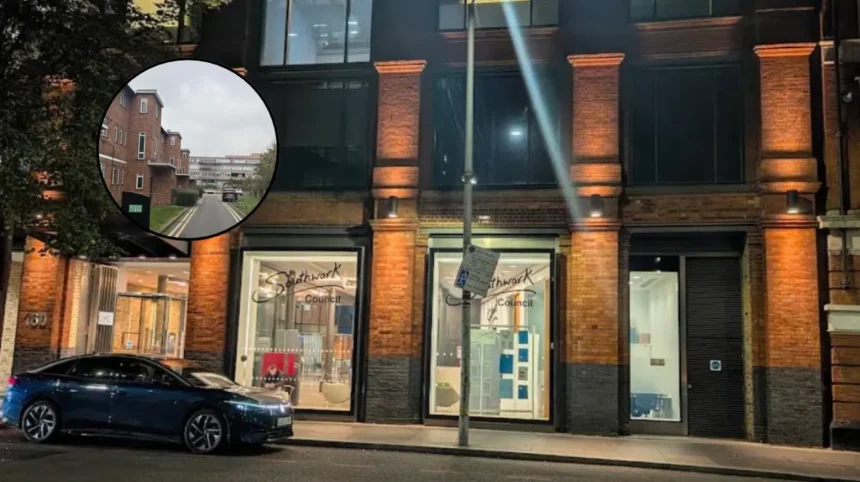
Southwark Council organised the Aylesbury Estate Renewal Summit on Thursday, 29 October 2026, at Una Marson Library on Thurlow Street in Walworth, promising to open a conversation on the future of the borough’s largest estate.
However, local coverage noted that neither the News nor the leader of the Southwark Labour Party was invited to last month’s summit, and many Aylesbury residents were unaware the meeting was happening. Local reporting described Sera having to come forward to ensure her voice was heard as an indictment of the council’s current approach despite public promises of inclusion.
What Four Options Did Southwark Council Put on the Table?
As reported in Southwark Council’s post-summit update published on 9 November 2026, Strategic Director of Housing Hakeem Osinaike presented four options to frame discussions on the estate:
- Simply maintaining the estate through routine maintenance only.
- Refurbishing the blocks beyond a general cyclical programme.
- Combining refurbishment of some blocks with rebuilding others.
- Carrying out complete renewal of the Aylesbury Estate.
Southwark Council’s summit materials noted that the open-book briefing shared with attendees covered the history of the estate and its regeneration, safety concerns regarding large panel system concrete construction used on roughly 70% of blocks, energy and heating, whether red-brick blocks could be kept, and new homes built so far. Council information also stated that a second summit is planned for early 2027.
What Did Council Leaders, Residents, and Housing Outlets Say?
In a comment piece for Inside Housing published on 29 October 2026, Southwark Council Leader Cllr James McAsh wrote about launching the summit after two decades of upheaval, delays, and uncertainty since the 2005 decision to demolish and rebuild the estate. As reported by Inside Housing, Cllr James McAsh stated:
“Above all, regeneration cannot be done to a community; it must be done with them. After 20 years of change and upheaval, it’s time to shape the future of the Aylesbury Estate, putting the people who live there at the heart of the conversation.“
In Southwark Council’s 9 November 2026 summit summary, Executive Member for Public Works and New Homes Cllr Alexandra Austin addressed trust and transparency, committing to centre the community in future decisions and share information openly. As reported in Southwark Council’s summit update, Cllr Alexandra Austin stated:
“Our hope is that we can rebuild trust”
The same council update noted that an expert at the summit highlighted financial limits alongside technical possibilities, stating that “everything is technically possible, the real constraint is money”. At the close of the event, long-term Aylesbury resident Harry Matthews spoke about community, honesty, and transparency. As reported in Southwark Council’s summit update, Harry Matthews stated:
“The Council must be good for their word”
Separate analysis published by Terrapin Group on 17 November 2026 examined the costs, delivery changes, and competing arguments around refurbishment versus demolition. According to Terrapin Group’s reporting, roughly £350 million is believed to have been spent since Notting Hill Genesis was appointed in 2015, with fewer than 1,000 homes built by Notting Hill Genesis out of 3,575 with planning permission. Terrapin Group also reported that a council document seen by the 35% Campaign counted 974 empty homes on the estate in 2025, noted that a community plan was produced in October 2026 by residents working with Unit 38 Architects alongside Our Aylesbury, and highlighted that the previous Labour cabinet had backed changing the development agreement so Notting Hill Genesis could withdraw from later stages while the council sought a new developer for remaining homes.
Background of the Development
Built in the 1960s and 1970s, the Aylesbury Estate in Walworth housed more than 2,700 households at its peak and became one of Europe’s largest estate regeneration programmes after Southwark Council decided in 2005 to demolish and rebuild it. Over the past two decades, the scheme has experienced prolonged delays, changing delivery arrangements, and shifting council administrations. While hundreds of new homes and civic facilities such as Una Marson Library and Harold Moody Health Centre have been delivered, large sections of the estate still face structural and safety questions, high numbers of vacant units, and ongoing debate over whether blocks should be demolished, refurbished, or mixed. Ahead of the October 2026 summit, residents working with Unit 38 Architects and Our Aylesbury published an independent community plan proposing a community-led retrofit approach, adding further urgency to the council’s stated plan to hold a second summit in early 2027.
Prediction for Aylesbury Residents and Local Stakeholders
For current and prospective Aylesbury Estate residents, local community groups, and housing partners, the post-summit period is likely to bring heightened scrutiny over whether council commitments on transparency and inclusion translate into clear timetables and published technical evidence. If Southwark Council delivers full block-by-block condition surveys, transparent cost comparisons across its four options, and broader notification ahead of the early 2027 summit, residents may gain greater clarity on whether their homes will be refurbished, rebuilt, or mixed. Conversely, if funding constraints, developer transition questions, or uneven communication persist, residents in both red-brick and concrete blocks could face continued uncertainty over repair standards, empty-home management, and long-term housing outcomes on the estate.