Key Points
- Roadworks due to gas escapes have severely disrupted traffic in Sutton Coldfield for several weeks, particularly along High Street, causing major delays especially during rush hour.
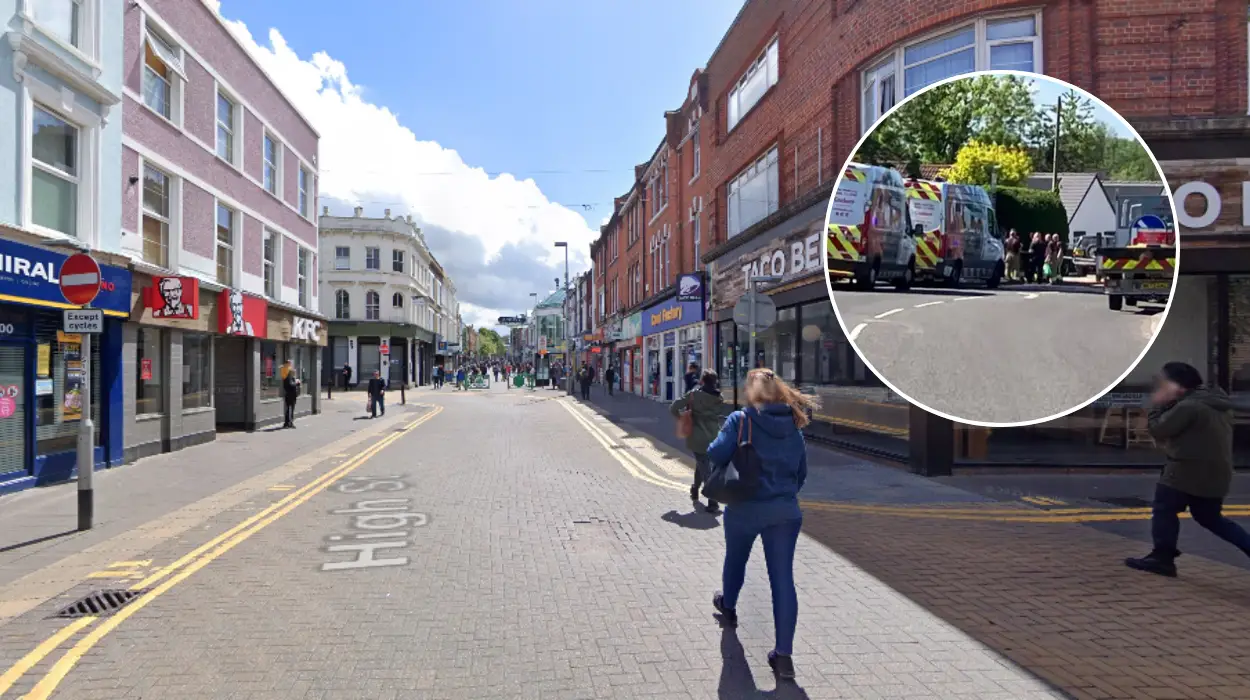
- Extensive roadworks contracted to Cadent, the region’s gas provider, have led to loss of lanes and complete road closures on Sutton Coldfield High Street, one of the town’s most important roads.
- Motorists on High Street have faced lengthy queues with delays of 25 minutes or more, with traffic congestion extending from Lichfield Road through Brassington Avenue and into Coleshill Street.
- Drivers have been stuck at a standstill during rush hour as construction activities exacerbate challenges for pedestrians, surrounding businesses, local commuters, and residents.
- Alternative routes such as Anchorage Road and Upper Clifton Road have become popular detours, but increased traffic on these paths has caused further delays.
- Lane closures on High Street have resulted in longer queues during peak hours, with delays expected to persist for a few weeks until the gas leaks are fully repaired.
- Local drivers have voiced complaints about the ongoing disruptions, highlighting frustration with the prolonged construction and its impact on daily commutes.
Sutton Coldfield (South London News) February 4, 2026 – Ongoing roadworks triggered by multiple gas escapes have plunged Sutton Coldfield’s High Street into chaos, with motorists enduring delays of up to 25 minutes or more during peak rush hours. Cadent, the company responsible for the region’s gas provision, has been forced to undertake extensive excavations along this vital thoroughfare, leading to lane losses and full closures that have snarled traffic from Lichfield Road through Brassington Avenue and into Coleshill Street. The disruptions, which have persisted for several weeks, are affecting not only drivers but also pedestrians, local businesses, and residents, prompting many to seek alternative routes amid growing frustration.
- Key Points
- What Caused the Gas Leaks in Sutton Coldfield?
- How Severe Are the Traffic Delays on High Street?
- Which Areas Are Worst Affected by the Disruptions?
- Why Are Rush Hour Delays the Longest?
- What Alternative Routes Are Drivers Using?
- Are These Alternatives Causing New Problems?
- Who Is Responsible for the Roadworks?
- How Are Local Businesses and Pedestrians Affected?
- What Do Drivers Say About the Delays?
- When Will the Roadworks End?
- Why Have Diverted Traffic Created More Congestion?
What Caused the Gas Leaks in Sutton Coldfield?
The gas escapes prompting these disruptive roadworks stem from issues within the local gas infrastructure, necessitating urgent intervention by Cadent. High Street, a primary thoroughfare through Sutton Coldfield, has borne the brunt of the excavations, with the company digging up significant sections to address the leaks. These works have been described as highly disruptive, closing lanes entirely in some areas and forcing traffic to a standstill.
As reported in local coverage, the unprecedented scale of the gas escapes has required Cadent to implement comprehensive repairs, transforming key roads into construction zones. Motorists utilising High Street as their main route have reported queues stretching back considerably, with congestion spilling over into adjacent streets. The peak rush hour periods have amplified these issues, turning what should be a straightforward journey into a prolonged ordeal.
How Severe Are the Traffic Delays on High Street?
Delays on Sutton Coldfield High Street have reached critical levels, with drivers facing waits of 25 minutes or longer amid the roadworks. Traffic congestion now routinely extends from Lichfield Road, through Brassington Avenue, and into Coleshill Street, leaving vehicles at a standstill as rush hour builds. Even efforts by some drivers to manage flow have proven futile against the volume of disrupted traffic.
The loss of lanes and complete road closures have made High Street particularly challenging, especially for those reliant on it as a primary route. Pedestrians navigating the area face additional hurdles from the construction activities, while surrounding businesses report reduced footfall due to the chaos. Local commuters and residents have echoed these sentiments, describing the situation as increasingly frustrating.
Which Areas Are Worst Affected by the Disruptions?
High Street remains the epicentre of the traffic woes, but the ripple effects have spread to nearby roads like Lichfield Road, Brassington Avenue, and Coleshill Street. These thoroughfares into Sutton Coldfield have seen extensive roadworks, worsening delays during rush hours. Major delays have been reported along these routes, compounding the frustration for regular users.
The ongoing construction has created bottlenecks that persist beyond peak times, with queues forming rapidly as traffic funnels through narrowed sections. Businesses along High Street have highlighted the impact on their operations, as accessibility issues deter customers. Residents in the vicinity have noted that the disruptions extend to everyday errands, turning short trips into time-consuming endeavours.
Why Are Rush Hour Delays the Longest?
Rush hour has emerged as the most problematic period, with delays peaking as commuter traffic collides with the roadworks. The combination of lane closures and gas repair excavations has led to standstill conditions, particularly on High Street where volumes are highest. Drivers report that even minor progress grinds to a halt during these times, extending journeys far beyond normal expectations.
As the works continue, the pressure on peak hours intensifies, with queues building relentlessly. Local accounts emphasise that the 25-minute-plus delays are a daily reality for many, forcing adjustments to routines. The situation underscores the vulnerability of key routes like High Street to infrastructure emergencies, amplifying everyday commuting stresses.
What Alternative Routes Are Drivers Using?
Faced with the ever-building congestion on High Street, many local drivers have turned to Anchorage Road and Upper Clifton Road as primary alternatives. These paths have gained popularity among residents seeking to bypass the chaos, leveraging better knowledge of the area to reroute effectively. However, the surge in traffic has inevitably led to delays on these secondary roads as well.
While initially seen as top-of-the-line options, Anchorage Road and Upper Clifton Road now mirror the main route’s issues during peak times. The redistribution of vehicles has created new bottlenecks, with drivers encountering unexpected hold-ups. This shift highlights the interconnected nature of Sutton Coldfield’s road network, where diversions quickly overload alternatives.
Are These Alternatives Causing New Problems?
Yes, the increased use of Anchorage Road and Upper Clifton Road has resulted in sufficient traffic to generate further delays in these traffic-discharging zones. What were once quieter options have become congested, extending the overall disruption footprint. Drivers navigating these routes now face queues akin to those on High Street, particularly as word spreads among locals.
Who Is Responsible for the Roadworks?
Cadent, the overseer of the region’s gas provision, holds the contract for these roadworks directly tied to the gas escapes. The company has been compelled to excavate extensively along major thoroughfares, including High Street, to mitigate the leaks. Their efforts, while necessary, have prioritised safety over minimal disruption, leading to the current scale of closures.
No specific statements from Cadent executives were detailed in initial reports, but the firm’s role as the contracted provider is central to the operation. Local authorities have coordinated with Cadent to manage traffic flow, though challenges persist. The company’s involvement ensures compliance with gas safety regulations, even at the cost of temporary inconvenience.
How Are Local Businesses and Pedestrians Affected?
The construction activities on High Street have posed significant challenges for pedestrians, with narrowed pavements and detours complicating movement. Surrounding businesses, reliant on easy access, have seen trade suffer as motorists avoid the area altogether. Commuters and residents alike decry the knock-on effects, from delayed deliveries to hampered daily routines.
Many businesses report frustration over the prolonged presence of roadworks, which deter passing trade during what should be busy periods. Pedestrians, particularly those on foot for shopping or errands, navigate obstacles daily, adding to the sense of disruption. These impacts extend beyond traffic, touching the economic and social fabric of Sutton Coldfield.
What Do Drivers Say About the Delays?
Numerous drivers have complained vociferously about the delays and closures, labelling them unprecedented and overly protracted. Accounts highlight standstill traffic as a norm, with rush hour exacerbating an already dire situation. Even with attempts by some to ease flow, the consensus is one of mounting irritation.
Local motorists emphasise the 25-minute queues as a tipping point, prompting widespread avoidance strategies. Complaints focus on the lack of timely resolution, with many predicting ongoing woes until repairs conclude. These voices reflect a community grappling with infrastructure failures amid daily pressures.
When Will the Roadworks End?
The roadworks are expected to remain in place for a few more weeks, pending full resolution of the gas leaks. Cadent’s extensive digs suggest a complex repair process, with no firm completion date announced. Delays will likely persist during this period, especially in rush hours, as safety checks continue.
Drivers are advised to anticipate prolonged disruptions, with peak times remaining the most affected. The timeline aligns with the severity of multiple gas escapes, requiring thorough intervention. Updates from Cadent and local traffic management will be crucial for planning.
Why Have Diverted Traffic Created More Congestion?
Lane closures on High Street, coupled with the roadworks, have funnelled excess vehicles onto alternatives, overwhelming Anchorage Road and Upper Clifton Road. This has resulted in longer delays across a broader network, as secondary paths buckle under redirected volumes. The phenomenon illustrates how interconnected routes amplify single-point failures.
Peak hour queues on these diversions now rival the main road, with traffic discharging slowly amid the influx. Better area knowledge among locals has accelerated this shift, but without capacity to absorb it. The result is a town-wide slowdown, far beyond the initial leak sites.