Key Points
- Barry Lewis, leader of Sutton Council, highlights lack of TfL services in Sutton compared to other London boroughs.
- Calls for integration of Crossrail 2 and Overground services to improve connectivity.
- Advocates expansion of the bus network with more frequent services.
- Proposes a Tramlink extension to enhance local transport links.
- Sutton has no Overground or Tube stations, only one Tram stop, and fewer than 25 bus routes.
- Sutton residents pay the same transport precept as other boroughs but receive the lowest capital investment per person.
- Lewis argues the current transport strategy overly focuses on journeys into Central London, neglecting orbital routes and local hubs.
- Recent bus improvements in Sutton include a 10% increase in services, added double-deckers on Route 80, re-routing of S1, and increased SL7 frequency between Heathrow and Croydon.
- Crossrail 2 is a proposed north-south railway connecting Surrey to Hertfordshire via Wimbledon and central London, currently under government and TfL negotiations but shelved temporarily due to finances.
- There is strong local political support to keep Crossrail 2 plans alive as it could support 200,000 homes and jobs, and improve travel times and economic opportunities across South London.
Why is Sutton Council calling for Crossrail 2 and improved transport links?
Barry Lewis, the leader of Sutton Council, has spoken out about the borough’s historically limited transport provision. As reported by the Local Democracy Reporting Service and summarised from multiple sources, Lewis states Sutton is “getting less bang for their buck” from Transport for London (TfL), despite residents paying the same transport precept as other Londoners. He observed that major transport investments have bypassed Sutton for decades, leaving it with poor TfL coverage—no Overground or Tube stations, only one Tram stop, and less than 25 bus routes. Lewis argues this underinvestment is hampering economic growth at a time when interest in Sutton is rising and demands urgent redress through better connectivity.
- Key Points
- Why is Sutton Council calling for Crossrail 2 and improved transport links?
- How does Sutton’s current transport coverage compare to other London boroughs?
- What are the proposed transport solutions for Sutton’s transport challenges?
- What is the current status of Crossrail 2 and why is it important for Sutton?
- How have recent improvements addressed Sutton’s transport needs?
- What transport strategy criticisms has Sutton Council raised?
How does Sutton’s current transport coverage compare to other London boroughs?
Sutton Council is widely regarded as one of the London boroughs with the poorest transport coverage under TfL. Unlike many boroughs served by multiple Tube lines or Overground routes, Sutton relies heavily on a limited bus network and a single Tramlink stop. Recent improvements have only marginally increased bus services by about 10%, including additional double-deck buses on Route 80 and enhanced night and weekend services. The express SL7 bus route connecting Heathrow and Croydon now operates twice as frequently with better onboard features, yet this still falls short of more integrated rail connections available in other boroughs.
What are the proposed transport solutions for Sutton’s transport challenges?
Barry Lewis has identified three key areas of focus to transform Sutton’s transport landscape:
- Crossrail 2 and Overground Integration: He supports the long-planned Crossrail 2 project, which would connect Surrey through Wimbledon and central London to Hertfordshire, potentially bringing a major new rail artery to Sutton that integrates with existing Overground services. Crossrail 2 could unlock new housing and jobs, ease congestion, and provide faster, orbital journeys not focused solely on central London.
- Expansion of the Bus Network: Lewis calls for a more frequent and larger bus network to meet growing travel demand. While TfL has increased services slightly, more investment is needed to create a comprehensive, reliable bus system that supports Sutton’s local and orbital travel needs beyond radial journeys into the city centre.
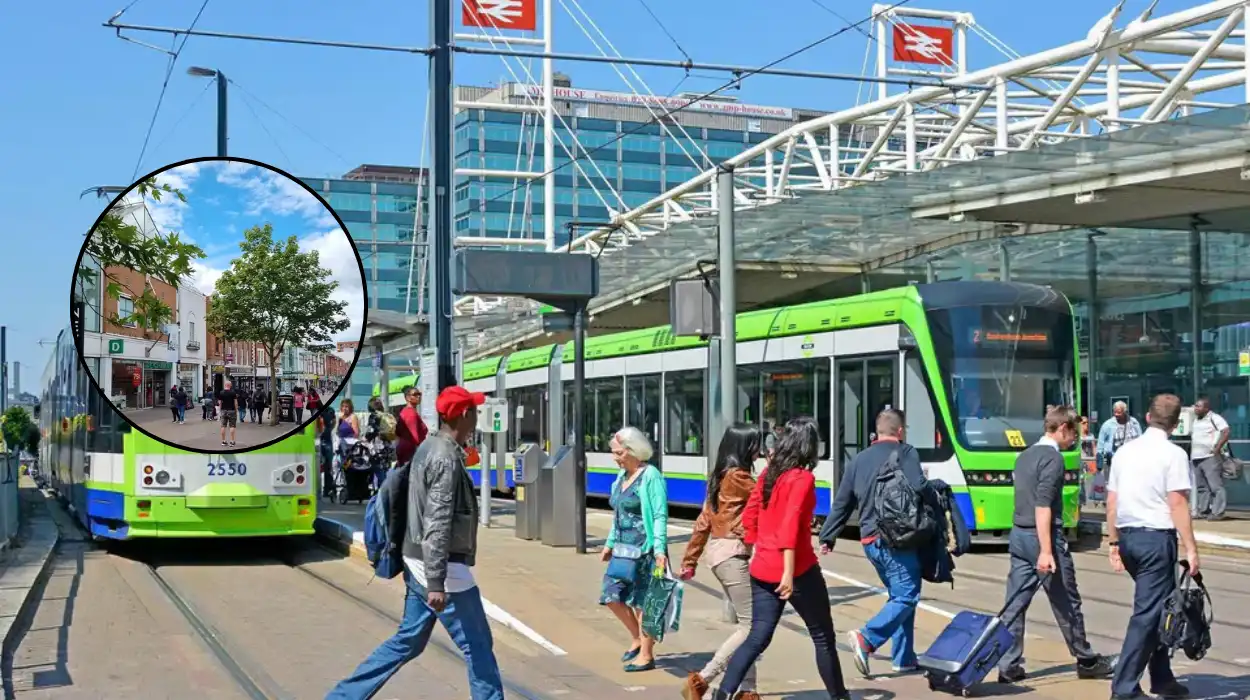
- Tramlink Extension: Sutton currently has a single Tramlink stop, and extending the Tram system is seen as a critical upgrade to connect more areas within the borough and offer more sustainable travel options.
What is the current status of Crossrail 2 and why is it important for Sutton?
Crossrail 2 is a proposed multi-billion pound project intended to run north-south across London, linking Surrey to Hertfordshire through Wimbledon and central London. It is designed to relieve overcrowding on current commuter networks, support around 200,000 new homes and jobs, and improve accessibility across London’s transport network. Although construction was initially planned to start around 2023 with completion expected by the early 2030s, TfL’s financial difficulties due to the COVID-19 pandemic have shelved active construction plans. However, the Government and TfL are continuing negotiations to keep the route safeguarded and the project viable for future delivery.
The Mayor of London, Sadiq Khan, has committed to continuing efforts to keep Crossrail 2 on the agenda, recognising its importance for London’s growth. Local politicians such as Stephen Hammond MP have campaigned for balanced development that protects communities while delivering benefits like reduced journey times and regeneration opportunities in South London areas including Wimbledon and Raynes Park.
How have recent improvements addressed Sutton’s transport needs?
Recent efforts by TfL have led to a roughly 10% increase in bus services in Sutton. This includes the introduction of double-deck buses on Route 80, re-routing the S1 service to serve the new Cancer Hub, launching the seven-day S2 service, and adding evening trips on the S3 route. The SL7 express bus route between Heathrow and Croydon now runs twice as often with improved on-board features, enhancing connectivity to key transport hubs.
Despite these improvements, Lewis maintains that the borough remains underserved and that these incremental changes do not compensate for systemic underinvestment and lack of rail integration, which are critical to sustaining Sutton’s long-term economic prospects.
What transport strategy criticisms has Sutton Council raised?
Barry Lewis criticises the broader London transport strategy for being overly focused on routes into Central London, primarily catering to radial commuter flows. He argues this neglects the importance of orbital routes that connect outer London boroughs and support hybrid working patterns and local economic centres. Sutton’s case illustrates the consequences of this centralised focus, where residents pay the same transport precept but receive substantially less capital investment than residents in better-connected boroughs.
The demands from Sutton Council highlight how transport equity remains a challenge in London’s outer boroughs. Crossrail 2, alongside improved Overground services, a larger bus network, and Tramlink extensions, represents a vision to modernise Sutton’s transport infrastructure and unlock its economic potential. Ongoing government and TfL negotiations on Crossrail 2 sustain hope for a transformative upgrade, but Sutton’s calls remind policy makers that without addressing orbital and local travel needs, some communities will continue to fall behind.