Key Points
- TfL plans changes on the A232, a busy South London red route, to encourage active travel and improve safety.
- The A232 links Croydon and Bromley, serving 11 bus routes, including Superloop SL5, but suffers from congestion and slow bus speeds.
- TfL recorded 63 collisions on this stretch over three years, with nine serious injuries.
- TfL is inviting 24 local residents to an evening workshop in January, offering £150 vouchers for participation.
- The workshop aims to gather views on making the road safer, improving bus journey times, and encouraging walking and cycling.
- Councillor Sean Fitzsimons (Addiscombe West Labour) supports the initiative, highlighting speeding issues and potential for safer cycling infrastructure.
- TfL wants feedback especially from women, young people, ethnic minorities, older and disabled people.
- An online community pinboard map is also open for public comments on specific locations along the route.
- TfL stresses this is early engagement, not a formal consultation, but may hold one if proposals develop.
What issues does TfL aim to address on the A232 corridor?
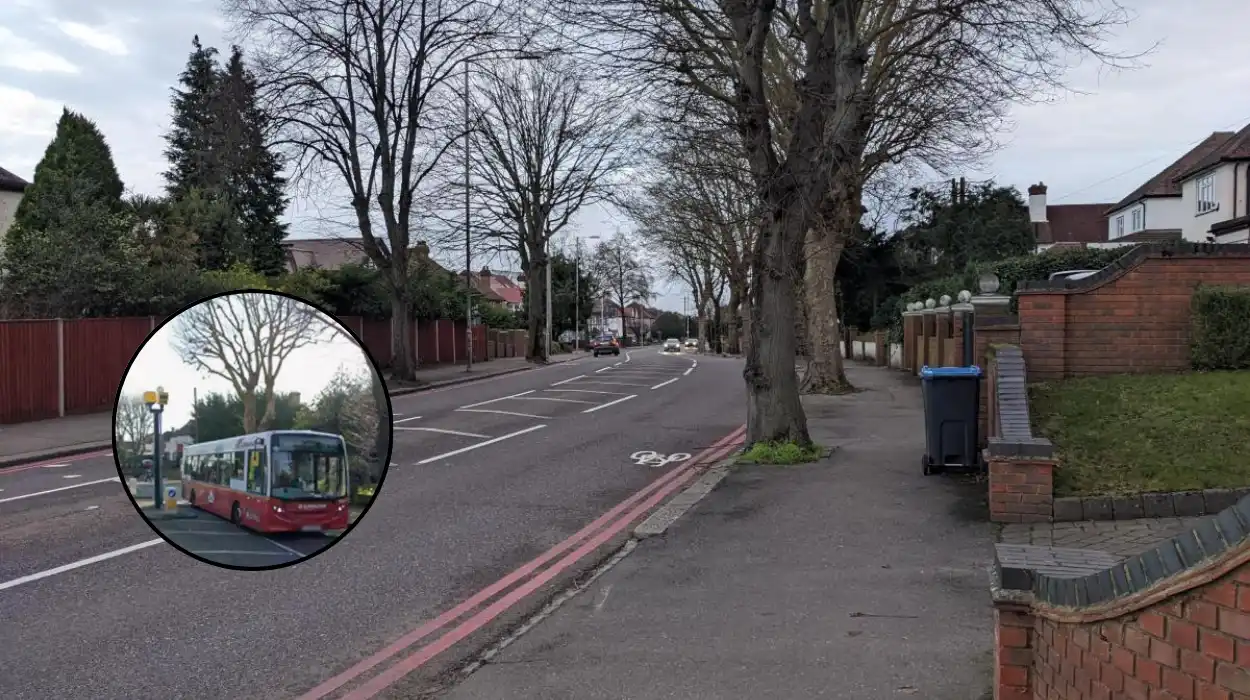
As reported by Transport for London (TfL), the A232 between Sandilands in Croydon and West Wickham in Bromley has suffered from frequent crashes and traffic delays, affecting not only drivers but bus users and pedestrians. TfL highlights that this key corridor, which supports 11 bus routes including the Superloop route SL5, has experienced slower speeds, making public transport less appealing locally.
- Key Points
- What issues does TfL aim to address on the A232 corridor?
- What are TfL’s goals for the A232 improvements?
- How is TfL engaging with the community on these plans?
- What do local leaders say about the road’s current challenges and potential?
- How will TfL’s plans improve inclusivity and safety?
- What happens after the community engagement?
TfL’s data shows 63 collisions along the road in the three years up to 31 December 2024, with nine incidents resulting in serious injuries. This safety concern is a central reason for revisiting the road’s design and traffic management to improve conditions for all road users.
What are TfL’s goals for the A232 improvements?
TfL’s spokesperson stated:
“Keeping everyone travelling in the capital safely and efficiently is our top priority and we want to hear from local people to help shape our plans at an early stage.”
The transport authority is focused on improving bus journey times, making walking and cycling safer and more attractive, and enhancing the overall environment.
This project aligns with TfL’s broader vision for London, aiming for 80 per cent of journeys to be made by walking, cycling, or public transport, and striving to reduce road deaths and serious injuries to zero by 2041.
How is TfL engaging with the community on these plans?
TfL is inviting 24 residents to join an evening workshop in January to discuss potential improvements. Participants will receive an information pack beforehand and are encouraged to make local journeys to provide real feedback on their experiences using the A232.
Each workshop participant will be offered a £150 voucher as a thank you for their involvement.
TfL emphasises the inclusion of diverse voices, particularly women, young people, ethnic minority groups, older adults, and disabled residents, to ensure comprehensive community representation.
Besides the workshop, TfL has launched an online community pinboard map where local people can submit comments and ideas about specific spots on the route. Questions about the scheme can also be submitted at any time during the engagement period.
What do local leaders say about the road’s current challenges and potential?
Addiscombe West Labour councillor Sean Fitzsimons welcomed the consultation effort, telling the Croydon Advertiser,
“The presence of speed cameras shows that speeding is an issue that needs addressing.”
He pointed out the road’s ample width, suggesting that improvements could be made without limiting car usage.
Speaking as a cyclist, Cllr Fitzsimons said,
“The A232 does not feel safe, especially in the evening or at night when speeding cars are common.”
He advocated redesigning the road to ensure drivers adhere to speed limits, which
“won’t reduce traffic flows but could create potential for a separated cycle lane and a better environment for pedestrians and bus users.”
He urged a rethink of the current layout, which largely consists of single lanes with traffic islands and speed cameras, to find solutions benefiting both pedestrians and drivers.
“A rethink of how the road is designed could be a win-win for pedestrians and road users,” he added.
How will TfL’s plans improve inclusivity and safety?
TfL also aims to create a greener and more welcoming environment on the A232, with particular attention to the needs of older and disabled people. Addressing safety for women and girls by improving street design is another priority cited by TfL.
By consulting a broad cross-section of the community, TfL hopes to design interventions that help make the route safer and more accessible for everyone.
What happens after the community engagement?
According to TfL, feedback from the workshop and online engagement will directly influence the next steps for the A232 corridor. The work is still at an early stage, and TfL makes clear that
“this is not a consultation, but if proposals develop we may hold one in future.”
Residents interested in participating in the workshop can register via an “express interest” form available on TfL’s website.