Key Points
- Organised Crime Operation: A sophisticated criminal gang linked to high-value burglaries across London has been handed prison sentences after attempting to tunnel into a Tooting jewellery store.
- Over £700,000 in Losses: Police investigations connected the group to a series of high-profile break-ins resulting in stolen goods and damage valued at more than £700,000.
- Caught in the Act: Police officers intercepted the gang at approximately 3:00 am on 17 July as they dug through a wall from an adjacent premises.
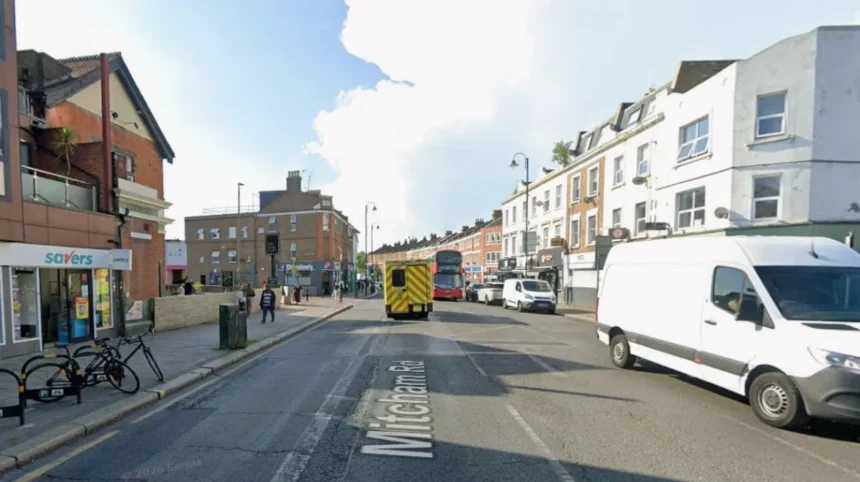
- Body-Worn Camera Footage: Law enforcement captured the arrest on body-worn video, documenting how the group broke into a massage parlour on Mitcham Road to access the neighbouring shop.
- Roof and Alleyway Arrests: Officers arrested suspect Laurentiu-Daniel Nitisoara in an adjacent alleyway, while co-conspirator Ioan Asafeti was apprehended after attempting to hide on a nearby rooftop.
- Custodial Sentences Delivered: Members of the organised crime network received formal prison terms following their conviction at court.
Tooting (South London News) October 24, 2026 — A organised crime group responsible for more than £700,000 in commercial burglaries across London has been jailed after police caught them in the middle of a sophisticated tunnelling operation beneath a south London high street. Met Police officers intercepted the gang members at approximately 3:00 am on 17 July while they were actively breaching the wall of a targeted jewellery shop located on Mitcham Road in Tooting. The arrests ended a multi-jurisdictional investigation into the network, which had previously targeted high-value commercial properties using specialized heavy equipment and structural breaching techniques.
- Key Points
- How Was the Tooting Tunnelling Gang Caught by Police?
- What Other Burglaries Were Linked to This Organised Crime Network?
- What Sentences Did the Gang Members Receive in Court?
- What Is the Background of Tunnelling Burglaries in Commercial Crime?
- How Will This Legal Development Affect Commercial Property Owners and Local High Streets?
How Was the Tooting Tunnelling Gang Caught by Police?
The midnight raid unfolded after law enforcement units surrounded a commercial row along Mitcham Road following intelligence gathering and active surveillance. Officers responding to the scene discovered that the gang had surreptitiously broken into an adjacent massage parlour, using the quieter interior of that business to cut through the shared internal dividing wall directly into the targeted jewellery establishment.
Body-worn camera video recorded by attending officers captured the direct aftermath of the structural breach. Footage shows police units securing the perimeter while search teams moved into the premises, identifying discarded heavy tools, masonry dust, and partially dug breaches aimed at bypassing the jewellery store’s main security alarms and reinforced front entrances.
As police units swarmed the property, gang members attempted to flee the perimeter in different directions. Officers patrolling the rear exterior identified Laurentiu-Daniel Nitisoara in a nearby alleyway and placed him under immediate arrest. Simultaneously, additional officers swept the upper structural boundaries of the building, locating Ioan Asafeti hiding on the rooftop before taking him into custody without further incident.
What Other Burglaries Were Linked to This Organised Crime Network?
Following the arrests on Mitcham Road, specialized investigators linked the detained individuals to an extensive criminal record spanning multiple commercial break-ins across Greater London. Forensic evidence collected at the Tooting site matched physical traces recovered from earlier unsolved commercial burglaries where similar structural breach methods had been deployed.
In total, detectives connected the group to more than £700,000 worth of stolen items, property destruction, and structural damages. The gang consistently selected high-value targets, including independent jewellers and commercial vaults, utilizing adjacent vacant or low-security premises—such as service shops and commercial parlours—as initial entry points to avoid traditional alarm sensors.
The investigation revealed a pattern of pre-planned surveillance conducted by the gang prior to each operation. Members mapped out structural layouts, wall thicknesses, and security patrol routines of adjacent properties to ensure uninterrupted drilling during late-night hours.
What Sentences Did the Gang Members Receive in Court?
During subsequent court proceedings, prosecutors detailed the systematic nature of the gang’s operations, highlighting the body-worn video footage and physical evidence recovered from Mitcham Road as key proof of their direct involvement. The court heard testimony regarding the financial impact on small business owners affected by the group’s prior break-ins, as well as the structural damage caused to commercial properties during the tunnelling attempts.
The presiding judge noted the sophisticated planning, specialized tools, and deliberate targeting of vulnerable internal walls required to carry out such break-ins. The convictions resulted in custodial sentences for all primary participants, effectively dismantling the syndicate’s operational capacity within the region.
What Is the Background of Tunnelling Burglaries in Commercial Crime?
Commercial burglaries involving physical masonry breaching and subterranean tunnelling represent a specialized form of property crime that requires extensive preparation, structural knowledge, and prolonged access to adjacent properties. Rather than attempting to bypass reinforced steel shutters, impact-resistant display glass, or monitored front-door sensors, criminal syndicates operating in urban areas routinely target secondary or shared walls.
In high-density commercial corridors—such as typical London high streets—buildings often share old brick partition walls that lack electronic perimeter monitoring. Organised groups take advantage of these structural design features by gaining lease access or breaking into low-security adjacent businesses during off-peak hours. Once inside the secondary property, perpetrators utilize heavy-duty core drills, hydraulic equipment, and masonry tools to bypass secondary security layers, providing silent access directly to vault areas or display cases.
To combat these tactics, law enforcement agencies across the United Kingdom have increasingly relied on integrated intelligence gathering, forensic cross-matching between high-value break-in sites, and real-time response capabilities using body-worn cameras to capture undeniable physical evidence during live break-ins.
How Will This Legal Development Affect Commercial Property Owners and Local High Streets?
This prosecution and subsequent custodial sentencing directly impact several key groups within the retail, commercial security, and local business communities across London:
Independent Business Owners and Retailers
For independent jewellers and high-value retailers operating along traditional high streets, the dismantling of this group reduces the immediate threat of targeted, high-yield structural break-ins. However, the operational methods exposed during the investigation highlight ongoing vulnerabilities in shared commercial properties. Business owners are likely to face calls from insurers to update physical risk assessments, specifically regarding internal wall integrity and secondary perimeter monitoring, rather than relying strictly on front-facing alarms and display security.
Commercial Landlords and Adjacent Property Managers
Landlords managing mixed-use high street properties and service-based premises—such as parlours, salons, and storage sites—may experience increased scrutiny from local authorities, police crime-prevention officers, and commercial tenants. Property managers will probably need to implement stricter access controls, routine structural inspections, and enhanced secondary alarm systems in non-retail spaces to prevent unauthorized entry that could compromise neighbouring businesses.
The Regional Insurance Sector and Security Industry
The successful linkage and prosecution of a gang responsible for £700,000 in losses provide a landmark case study for insurance underwriters assessing commercial property risk. Insurers operating in urban centres are expected to adjust underwriting requirements, potentially making coverage for high-value inventory contingent on the installation of vibration sensors, acoustic glass-break monitors, and volumetric motion detection within shared wall cavities and adjacent service corridors.