Key Points
- Bradstow School, a residential school for autistic children, will close on 31 December.
- Wandsworth Council’s cabinet approved the closure due to ongoing financial challenges.
- The Department for Education rejected proposals to convert the school into an academy.
- Twelve children currently attend, with only one from Wandsworth.
- The school has a nearly £1 million overall deficit and £5.3 million debt owed by other councils, mainly Kent.
- Wandsworth Council has begun legal proceedings to recover debts from Kent County Council.
- Closure aims to focus on specialist provision locally, keeping children closer to home.
- Attempts to transfer responsibility to Kent County Council failed after Kent withdrew.
Why is Bradstow School closing despite being a lifeline for autistic children?
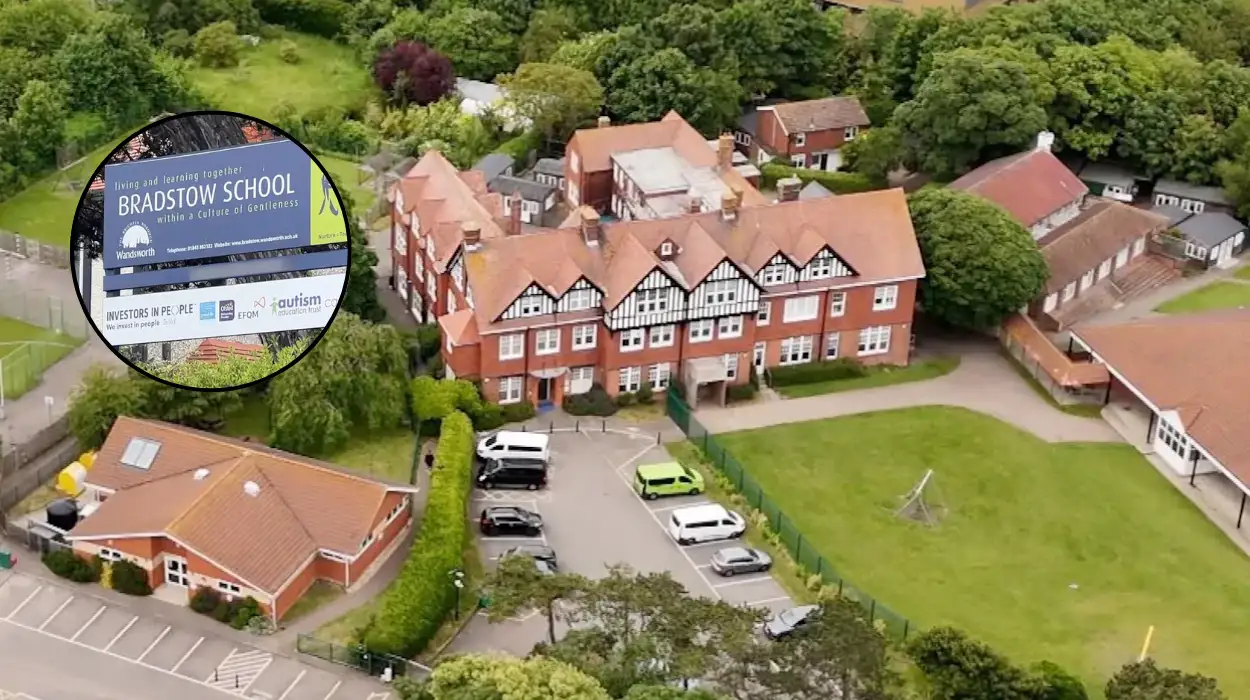
Bradstow School, located in Kent, and serving autistic children with complex needs aged 5 to 19, is scheduled to close on 31 December after Wandsworth Council’s cabinet formally approved the decision. The council described closure as the “only option” after grappling with ongoing financial deficits that rendered the school unviable.
- Key Points
- Why is Bradstow School closing despite being a lifeline for autistic children?
- What financial challenges has Bradstow School faced?
- Why couldn’t the school convert to an academy?
- What will happen to the children currently attending Bradstow School?
- What is Bradstow School’s history and catchment area?
- Why did Kent County Council withdraw from talks about transferring the school?
- What is the council’s next step after the school closure?
- How did the local community and school leadership react to the news?
As reported by Polly Benton, the school’s business manager, on behalf of the principal and governors,
“The school could have been financially viable if it had been allowed to admit new pupils this year.”
She emphasised her request for more time “to make an informed decision about academisation,” referring to plans to convert Bradstow into an academy, a proposal that the Department for Education (DfE) ultimately rejected.
The school has been described as a lifeline for many autistic children who require specialist residential education during term time, but the financial pressures have overshadowed its educational mandate.
What financial challenges has Bradstow School faced?
Bradstow School has accumulated an overall deficit of nearly £1 million. Its debts to other local authorities total approximately £5.3 million, with £4.6 million owed specifically to Kent County Council. Wandsworth Council highlighted these figures in a report explaining why the school’s continuation is unsustainable.
The council has also initiated legal proceedings against Kent County Council to recover these fees, as Kent was one of the main contributors to the school’s financial obligations.
According to Ana Popovici, Wandsworth Council’s executive director for children’s services,
“All possible options to keep the school open had been explored but none would safeguard children’s welfare or the school’s long-term finances.”
She stressed that closure was now “the only option, the responsible course of action.”
Why couldn’t the school convert to an academy?
Initially, Wandsworth Council delayed the closure decision to allow time for Bradstow School’s governors to attempt conversion to academy status. However, the Department for Education rejected these plans, instructing the council to move forward with closure instead.
Polly Benton articulated frustration over the decision-making process, saying,
“Over the past two years, decisions on Bradstow’s behalf have too often overlooked the best interests of the children.”
She highlighted the negative impact on families, many of whom have had children placed far from home or living in children’s homes without proper education because of the school’s situation.
What will happen to the children currently attending Bradstow School?
Currently, twelve children remain enrolled at Bradstow School, with only one being from Wandsworth. The closure decision intends to minimise disruption where possible, but the council recognises the challenges faced by families.
Ana Popovici explained that closing the school would enable the council to focus on increasing specialist provision locally. This strategy aims
“to keep many more children closer to home and within their communities,”
potentially reducing traumatic upheavals for children and their families.
However, Polly Benton expressed concern for those already displaced or affected by recent decisions, with some children “now living in children’s homes without education” or receiving minimal teaching hours weekly.
What is Bradstow School’s history and catchment area?
Bradstow School has been under Wandsworth Council’s responsibility since 1990 following the abolition of the Inner London Education Authority. Although pupils have come from multiple councils, the majority have historically been from Kent.
The school specialises in educating autistic children who have complex needs and offers residential accommodation during term time. Wandsworth Council’s involvement in the school stems from this history, but the financial pressures have soared in recent years.
Why did Kent County Council withdraw from talks about transferring the school?
Since 2021, Wandsworth Council had been in discussions with Kent County Council about transferring responsibility for Bradstow School to Kent. These talks aimed to find a sustainable long-term solution.
However, as detailed in the council report, Kent County Council withdrew from negotiations in October of the previous year. This withdrawal left Wandsworth without a local partner willing to assume the financial and operational responsibilities necessary to keep the school open.
What is the council’s next step after the school closure?
Following the decision, Wandsworth Council will focus on enhancing specialist education provisions within the borough and surrounding areas. Ana Popovici said that by closing Bradstow, the council can
“keep many more children closer to home and within their communities,”
suggesting an investment in local and accessible support.
Additionally, legal proceedings against Kent County Council to recover the significant outstanding fees remain ongoing, potentially impacting future inter-council cooperation on special education services.
How did the local community and school leadership react to the news?
Reactions from the school’s leadership, as conveyed by Polly Benton, reflected disappointment and concern for the children and families affected. She underscored that many recent decisions appear to have neglected the children’s best interests, resulting in distressing outcomes such as placements far from home or inadequate educational provision.
The broader local community’s response has not been detailed in the media coverage, but the closure of a specialist residential school after decades, especially one described as a vital lifeline, is likely to generate concern among parents, advocates for autistic children, and education professionals.