Key Points
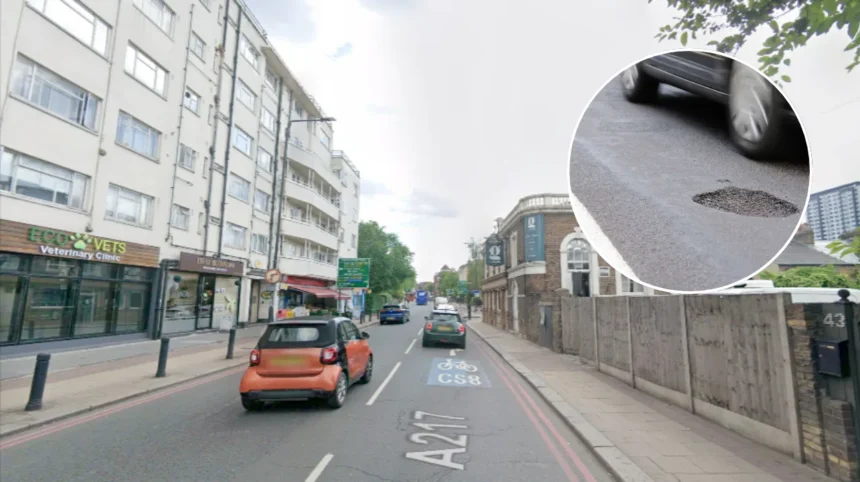
- Wandsworth Council is investing £10.3 million in 2025/26 to resurface roads and pavements across the borough, making them safer for residents and businesses.
- This forms part of a record £100 million, 10-year plan launched in 2024/25, with £8 million spent initially and £10.3 million allocated annually thereafter, including for 2026/27.
- The investment aims to reverse the decline of Wandsworth’s 440km highways network, addressing a national challenge amid squeezed budgets.
- Benefits include slashing reactive maintenance, improving safety, reducing complaints, and cutting accident and injury claims.
- The council maintains 93% of the network; Transport for London (TfL) handles the remaining 7%.
- A new council officers’ report details carriageways and footways for resurfacing in 2026/27, with the cabinet to approve the list on 23 February.
- A safe highways network is essential for access and economic vitality, as stated in the report.
Wandsworth (South London News) February 18, 2026 – Roads and pavements across Wandsworth borough in South London are slated for a £10.3 million resurfacing programme this year, enhancing safety amid a decade-long £100 million highways overhaul.
- Key Points
- What is Wandsworth Council’s £100m Highways Plan?
- Why Are Roads in Wandsworth Being Resurfaced Now?
- Which Borough Maintains Most of the Highways Network?
- What Benefits Will the Resurfacing Bring to Residents?
- When Will the Cabinet Approve the Street List?
- How Was the 2024/25 Investment Structured?
- Which Specific Streets Are Targeted for Resurfacing?
- How Does This Fit National Highways Challenges?
- What Role Do Businesses Play in Highway Maintenance?
- Who Oversees the Remaining 7% of Roads?
- Will There Be Disruptions During Works?
- How Does the Plan Ensure Long-Term Safety?
The initiative builds on last year’s £8 million investment, escalating to £10.3 million for 2025/26 and matching that sum annually through 2026/27 and beyond. Wandsworth Council’s cabinet faces a pivotal decision on 23 February to greenlight the specific list of streets targeted for 2026/27 upgrades.
What is Wandsworth Council’s £100m Highways Plan?
Launched in 2024/25, the £100 million strategy over 10 years targets the borough’s extensive highways network spanning roughly 440km of roads. Council officers’ new report underscores its ambition to halt the network’s decline—a pressing national issue as local authority budgets tighten.
As detailed in the MyLondon coverage, the plan commenced with £8 million in 2024/25, rising to £10.3 million in 2026/27 for carriageways and footways resurfacing. The report explicitly states:
“The availability of a safe and serviceable highway network is essential to allow ready access around and through the borough, as well as, providing access to residents and businesses. Wandsworth’s economic vitality depends upon highway links that are safe and fit for purpose. The management of this valuable asset is, therefore, one of the utmost importance.”
This proactive approach promises to reduce reliance on reactive repairs, bolster safety measures, lower public complaints, and diminish insurance claims from accidents and injuries.
Why Are Roads in Wandsworth Being Resurfaced Now?
Wandsworth’s highways have faced deterioration, mirroring challenges across UK councils grappling with fiscal constraints. The council maintains 93% of the network, with Transport for London (TfL) overseeing the rest, primarily busier routes.
The MyLondon article highlights how the £10.3 million annual injection from 2025/26 will enable “major improvements over time,” directly countering this trend. By prioritising resurfacing, the council anticipates fewer emergency fixes, which currently drain resources.
Safety emerges as paramount, with smoother surfaces set to prevent slips, trips, and vehicle mishaps, ultimately safeguarding pedestrians, cyclists, and motorists alike.
Which Borough Maintains Most of the Highways Network?
Wandsworth Council shoulders responsibility for approximately 93% of the borough’s carriageways and footways. TfL manages the remaining 7%, focusing on principal roads integral to London’s wider transport system.
This division ensures coordinated upkeep, though the council’s £100 million pledge amplifies its direct control over local streets. The officers’ report emphasises the network’s role in daily access for residents and businesses, framing it as a cornerstone of economic health.
What Benefits Will the Resurfacing Bring to Residents?
The programme targets tangible gains: fewer potholes leading to breakdowns, enhanced pedestrian paths reducing fall risks, and quieter complaints logs for council services. It also curtails compensation claims, freeing funds for further enhancements.
As the report notes, proactive investment will “slash the volume of reactive maintenance works needed, improve safety, reduce complaints and cut the number of claims for accidents and injuries.” For South London commuters, this translates to reliable journeys supporting work, shopping, and leisure.
Businesses stand to gain from dependable access, bolstering trade in areas like Tooting, Clapham Junction, and Roehampton.
When Will the Cabinet Approve the Street List?
The council’s cabinet convenes on 23 February to deliberate and potentially approve the detailed roster of carriageways and footways for 2026/27 resurfacing. This follows the officers’ comprehensive report outlining priorities.
Pending approval, works could commence soon after, aligning with the £10.3 million budget for that financial year. Residents are urged to monitor council updates for exact timelines and potential disruptions.
How Was the 2024/25 Investment Structured?
The plan’s kickoff saw £8 million deployed in 2024/25, setting the stage for escalated spending. This initial outlay focused on high-need areas, yielding early wins in network stability.
MyLondon’s transport correspondent detailed the progression to £10.3 million in 2025/26, with parity held through the decade.
Which Specific Streets Are Targeted for Resurfacing?
While the full 2026/27 list awaits cabinet ratification on 23 February, the officers’ report catalogues priority carriageways and footways ripe for renewal. It encompasses key South London thoroughfares vital to daily traffic flow.
The MyLondon piece references the report’s enumeration, stressing its role in reversing wear-and-tear across the 440km sprawl. Expect a mix of residential roads, shopping streets, and connectors to TfL-managed arteries.
Once approved, the council will publicise the exhaustive inventory, enabling locals to plan around works.
How Does This Fit National Highways Challenges?
Wandsworth’s strategy confronts a UK-wide crisis, where underfunded councils battle pothole epidemics and ageing infrastructure. The report positions the £100 million as a benchmark for sustainable management.
By sustaining £10.3 million yearly, Wandsworth diverges from reactive national norms, fostering long-term resilience. This could inspire neighbouring boroughs like Lambeth and Merton.
What Role Do Businesses Play in Highway Maintenance?
The report ties safe roads directly to commerce: “providing access to residents and businesses. Wandsworth’s economic vitality depends upon highway links that are safe and fit for purpose.” Resurfacing ensures seamless logistics for shops, cafes, and offices.
Councillors highlight how pothole-free streets prevent delivery delays and customer deterrence.
Who Oversees the Remaining 7% of Roads?
Transport for London (TfL) governs the sliver under its purview, typically high-volume routes like parts of the A3 or bus corridors. Coordination between council and TfL minimises overlaps.
Wandsworth’s bulk responsibility allows tailored local interventions.
Will There Be Disruptions During Works?
Temporary closures and diversions are likely, though the council pledges minimal inconvenience. Phased scheduling will prioritise off-peak hours.
Residents should check Wandsworth Council’s highways portal for live alerts post-approval.
How Does the Plan Ensure Long-Term Safety?
Sustained funding shifts focus from fixes to prevention, embedding durability in every resurfaced metre. Metrics like reduced claims will gauge success.
This decade-spanning vision secures Wandsworth’s streets for future generations.