Key Points
- Wandsworth Council has agreed a six-year deal with the London Hotel Group (LHG) to use Constitutional House, an 186-room building in Tooting, South London, as temporary housing for homeless families
- The scheme is expected to support up to 186 homeless families and has been hailed as a “landmark” development for temporary accommodation in South London
- The deal is projected to save Wandsworth Council up to £6 million over the six-year period
- The initiative aims to keep more homeless families within the Wandsworth borough by addressing the shortage of local accommodation
- Nearly half of Wandsworth Council’s current temporary housing units are located outside the borough, negatively impacting children’s outcomes
- Almost 4,000 children in Wandsworth are currently living in temporary accommodation, with families waiting an average of 3.5 years for permanent homes
- The council spent £37.5 million on homelessness in the recent period, with no clear strategy to address the crisis
- This year (2026), Wandsworth is spending £28.6 million of council tax on temporary housing, up 20% from last year, with another overspend forecast
- The 3,947 children currently in temporary accommodation have already waited over two years (27 months) on average
- London Hotel Group previously won planning consent in March 2024 to expand its aparthotel scheme on Tooting High Street, bringing 373 guest rooms across six floors
Tooting (South London News) June 19, 2026 – Wandsworth Council has agreed a six-year deal with the London Hotel Group (LHG) to use Constitutional House, an 186-room building in Tooting, as temporary housing for homeless families, a move expected to save the council up to £6 million and hailed as a “landmark” scheme for South London.
- How will the Constitutional House scheme keep homeless families in Wandsworth borough?
- Why does Wandsworth face a crisis with nearly 4,000 children in temporary accommodation?
- What does the six-year deal with London Hotel Group mean for council savings?
- How long have children in Wandsworth been waiting for permanent homes?
- What percentage of Wandsworth’s temporary housing is located outside the borough?
- Why has the temporary accommodation queue in Wandsworth gotten longer instead of shorter?
- What makes Constitutional House a ‘landmark’ development for homeless families?
- What is the background of Wandsworth Council’s temporary housing development and the Constitutional House deal?
- How will this landmark temporary housing development affect homeless families and children in Wandsworth?
How will the Constitutional House scheme keep homeless families in Wandsworth borough?
The new temporary housing scheme aims to keep more homeless families in Wandsworth by tackling the shortage of local accommodation, according to the council’s announcement.
As reported by the journalist covering the South London story, the scheme is anticipated to improve outcomes for children, given that nearly half of the council’s current temporary housing units are located outside the borough.
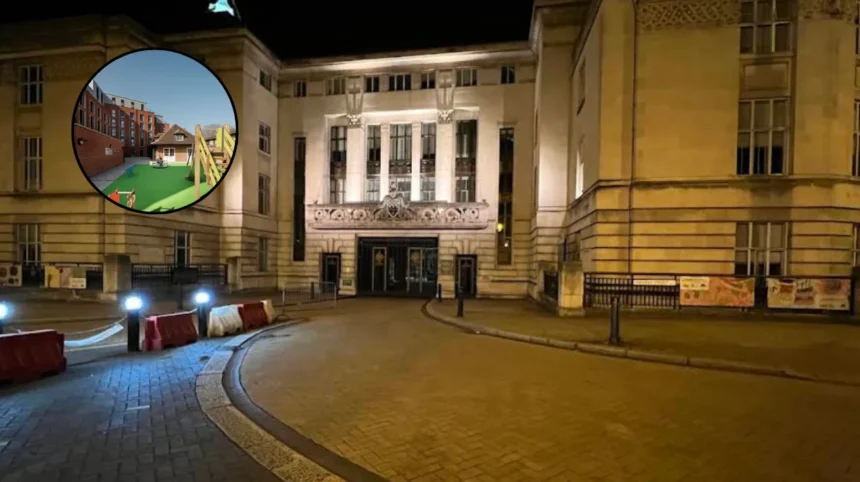
The 186-room Constitutional House, located near Tooting Broadway, will provide accommodation for up to 186 homeless families over the six-year period. This represents a significant expansion of local temporary housing capacity in South London.
Why does Wandsworth face a crisis with nearly 4,000 children in temporary accommodation?
The context for this development is a severe housing crisis in Wandsworth. As reported by Putney News on November 27, 2025, nearly 4,000 children are living in temporary accommodation in Wandsworth, with families waiting an average of three and a half years for a permanent home, shocking new council figures reveal.
The same Putney News report stated that the council’s spending on homelessness has hit £37.5 million with no strategy to address the crisis. This represents one of the most critical housing challenges in South London.
More recent data from April 22, 2026, shows that Wandsworth is spending £28.6 million of council tax on temporary housing this year, up 20% on last year, with another overspend forecast, and a queue that is getting longer, not shorter.
What does the six-year deal with London Hotel Group mean for council savings?
As reported by Inside Housing, Wandsworth Council has entered a six-year agreement with London Hotel Group (LHG) to provide temporary accommodation, targeting £6 million in savings from the deal. The savings will come from the more efficient use of the hotel property compared to other temporary accommodation options the council has been using.
The London Hotel Group has been expanding its presence in Tooting. As reported by Hotel Management International on March 18, 2024, LHG won planning permission to expand its aparthotel scheme at 111-113 Tooting High Street, bringing 373 high-quality guest rooms across six floors with basements to one of London’s ‘coolest neighbourhoods’, popular with both residents and tourists.
The expansion includes the adjacent site of the former Tooting Constitutional Clubhouse at 101A Tooting High Street, which has been incorporated into the development.
How long have children in Wandsworth been waiting for permanent homes?
The waiting times for permanent housing in Wandsworth are exceptionally long. As reported by Putney News on April 22, 2026, the 3,947 children currently in temporary accommodation have already waited over two years (27 months) on average.
This extended waiting period means children are growing up in temporary accommodation, with uncertain living conditions and frequent disruptions to their education and community connections.
The average wait of 3.5 years for permanent homes represents a significant portion of a child’s development during their school years.
What percentage of Wandsworth’s temporary housing is located outside the borough?
Nearly half of Wandsworth Council’s current temporary housing units are located outside the borough, according to the council’s announcement. This means that homeless families are being placed in areas far from their original communities, schools, and support networks.
The displacement outside Wandsworth has been identified as a factor negatively impacting children’s outcomes.
When families are placed outside the borough, children often face changes in schools, loss of community connections, and reduced access to local services they previously relied upon.
The Constitutional House scheme directly addresses this issue by providing 186 rooms within Tooting, ensuring these families remain within Wandsworth borough.
Why has the temporary accommodation queue in Wandsworth gotten longer instead of shorter?
The queue for temporary accommodation in Wandsworth is getting longer, not shorter, despite increased spending.
As reported by Putney News, the council is spending £28.6 million this year housing homeless families in temporary accommodation while they wait for a permanent home, up 20% on last year, with another overspend forecast.
The increase in spending without corresponding reduction in the queue suggests that the demand for temporary accommodation is growing faster than the council’s ability to provide permanent housing solutions.
This reflects broader housing challenges in London, where supply constraints and rising costs have made permanent housing increasingly difficult to secure.
What makes Constitutional House a ‘landmark’ development for homeless families?
A new temporary housing scheme in South London has been hailed as a “landmark” for its potential to support homeless families, according to the council’s announcement.
The designation as “landmark” appears to stem from several factors: the scale of the accommodation (186 rooms), the six-year stability of the deal, the significant cost savings (£6 million), and the strategic location within Wandsworth borough.
The scheme represents a shift from the council’s previous approach of placing nearly half of its temporary housing units outside the borough. By keeping families within Wandsworth, the development addresses the long-standing issue of displacement and its negative impact on children’s outcomes.
What is the background of Wandsworth Council’s temporary housing development and the Constitutional House deal?
The background of this development stems from Wandsworth Council’s prolonged crisis with temporary accommodation. The council has been grappling with increasing demand for housing and limited supply, making temporary accommodation necessary due to these constraints.
The use of hotel properties for temporary accommodation has become part of the council’s strategy to address the shortage. London Hotel Group has been expanding its Tooting High Street presence since winning planning consent in March 2024 for a 373-room aparthotel scheme.
The Constitutional House property, located at 101A Tooting High Street, was previously the Tooting Constitutional Clubhouse before being incorporated into LHG’s development.
The financial backdrop is critical: Wandsworth spent £37.5 million on homelessness with no strategy to address the crisis as of November 2025.
By April 2026, spending increased to £28.6 million for the year (up 20% from last year), with the queue of families waiting for accommodation growing longer.
The six-year deal with LHG represents a response to these escalating costs and the need for stable, local accommodation.
The £6 million savings projected from this deal comes at a time when the council is facing budget deficits across multiple areas, with temporary housing being one of the most significant overspending categories.
Explore More Wandsworth Council News
Tooting Temporary Housing Block Game-Changer for Homeless Families 2026
Wandsworth Council Climate Action: Progress and Gaps London
How will this landmark temporary housing development affect homeless families and children in Wandsworth?
This development will directly affect approximately 186 homeless families by providing them with temporary accommodation within Wandsworth borough, rather than elsewhere. For these families, the immediate impact will be reduced displacement from their community, maintaining access to local schools, support networks, and services they previously relied upon.
For children in Wandsworth, the impact could be significant. Currently, nearly 4,000 children are living in temporary accommodation, waiting an average of 3.5 years for permanent homes.
The Constitutional House scheme will provide stable accommodation for 186 of these families within the borough, potentially reducing the negative outcomes associated with being placed outside Wandsworth, where nearly half of current temporary housing units are located.
The scheme addresses the critical issue that children placed outside the borough face disrupted education, loss of community connections, and reduced access to familiar services.
By keeping families within Wandsworth, the development aims to improve outcomes for children, as stated by the council.
However, the development also has limitations. With 3,947 children currently in temporary accommodation, the 186 rooms will serve only a fraction (approximately 4.7%) of those needing temporary housing.
The queue continues to grow longer despite increased spending, suggesting that while this is a positive development, it does not fully resolve the underlying crisis.
The financial impact on council taxpayers will also be relevant. With Wandsworth spending £28.6 million of council tax on temporary housing this year (up 20% from last year), the £6 million savings from this deal could help reduce the pressure on council budgets, though another overspend is forecast.
For the broader Wandsworth community, the development will increase the visibility of homeless families in Tooting, potentially affecting local perceptions and community dynamics.
The location near Tooting Broadway, in what LHG describes as one of London’s “coolest neighbourhoods” popular with residents and tourists, places this accommodation in a high-visibility area.
The six-year stability of the deal provides certainty for both the families accommodated and the council’s planning, unlike shorter-term arrangements that create additional disruption.
This stability may help families maintain more consistent routines and support systems during their wait for permanent housing.