Key Points
- Allegation of Breach: Wandsworth Labour has formally accused the local Conservative Party and Wandsworth Council of violating official Pre-Election Period (PEP) guidelines.
- Controversial Post: The controversy centers on official town hall social media channels being used to publish content concerning Government cuts during a sensitive election period.
- Timing of Dispute: The complaint comes ahead of a crucial local council by-election, where political tension between Labour and the Conservatives remains heightened.
- Regulatory Standard: Pre-election period (purdah) rules strictly prohibit local authorities from issuing publicity on politically contentious matters or using public council resources to influence voter opinion.
- Demands for Investigation: Opposition figures are calling for an immediate review into how the official communications channel was authorised to publish partisan commentary.
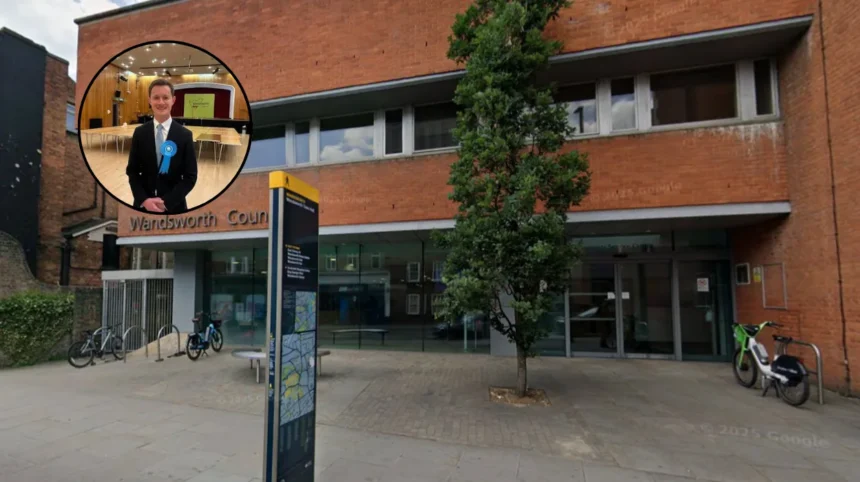
Wandsworth (South London News) August 4, 2026 — Wandsworth Council is facing intense scrutiny following allegations from Wandsworth Labour that the local administration breached statutory pre-election restrictions through official municipal social media channels. As reported by Rachael Burford of The Standard, Wandsworth Labour accused the local Conservative Party of breaching pre-election period (PEP) guidelines by using official town hall social media accounts to post about Government cuts in the lead-up to a high-stakes council by-election. The formal complaint asserts that publishing comments regarding political policy and funding decisions from neutral council accounts directly undermines electoral fairness and compromises the civil neutrality required of local authority communications teams.
What Are the Specific Allegations Raised Against the Local Authority?
According to reporting by Rachael Burford in The Standard, Wandsworth Labour identified posts published across the council’s verified digital platforms that directly commented on central Government funding decisions and public sector service cuts.
Labour representatives argue that using official civic channels to broadcast messaging aligned with partisan political positions during an active election campaign violates the legal framework governing council publicity.
The pre-election period—historically referred to as “purdah”—places strict legal limits on local authority publicity from the moment an election notice is published until polling day. Local Government Association (LGA) operational directives explicitly mandate that council-funded social media channels must remain strictly non-partisan, avoid controversial policy statements, and refrain from echoing political party campaigns.
Labour opposition leaders contend that the publication of content addressing national policy cuts on public town hall pages crossed these neutral boundaries, effectively utilizing taxpayer-funded assets for political messaging.
Explore More Wandsworth Council News
London Council Under Fire for Alleged Pre-Election Breach Wandsworth 2026
Wandsworth Council Sets Out Plans to Tackle Financial Crisis Wandsworth 2026
How Have the Involved Parties and Officials Responded to the Claims?
In response to the allegations detailed by Rachael Burford of The Standard, local Labour representatives have called for an immediate administrative review of council communication protocols to identify how the material was approved and published during a restricted period. Labour campaign spokespersons asserted that official municipal media accounts belong to all residents of the borough and must not be repurposed as publicity tools for any single political faction during a vote.
The local Conservative group and Wandsworth Council communications officers have maintained that municipal messaging is intended strictly to inform residents regarding service delivery and statutory financial realities.
However, critics argue that even factual announcements regarding central government funding reductions become inherently political when shared via official channels during an active by-election campaign. Standard governance standards require council monitoring officers to review challenged posts and determine whether any technical breach of the Code of Recommended Practice on Local Authority Publicity occurred.
What Is the Legal Background Behind Pre-Election Period Guidelines?
Under Section 2 of the Local Government Act 1986 and the updated 2011 Code of Recommended Practice on Local Authority Publicity, local councils are legally bound to ensure that public authority resources are never used to influence support for a particular political party or candidate.
During the pre-election period, heightened sensitivity applies across all communication operations, including press releases, public events, print publications, and official digital or social media accounts.
The statutory guidance issued by the Local Government Association outlines key principles governing local government publicity during campaigns:
- Strict Non-Partisanship: Councils must not issue press releases or social media updates mentioning controversial political debates unless required for emergency public safety communications.
- Resource Separation: Town hall assets, official social media handles, and officer-led communications platforms cannot be cross-promoted alongside party political statements or campaign slogans.
- Digital Moderation: Council staff who manage corporate accounts are required to actively monitor comment threads and prevent official channels from becoming forums for political campaigning or partisan endorsement.
In local government governance, a breach of these provisions can result in internal governance reviews, formal complaints to the authority’s Monitoring Officer, or potential legal challenges regarding the misuse of public funds.
How Might This Development Affect Local Voters and Municipal Governance?
This controversy carries direct implications for several key stakeholder groups across the borough of Wandsworth:
- For Local Voters: The dispute risks eroding public trust in the neutrality of official council communications. Voters relying on town hall social media accounts for impartial municipal updates may view public channels through a partisan lens, complicating their ability to separate objective civic announcements from political campaign rhetoric.
- For Council Administration and Staff: Civil servants and communications personnel within Wandsworth Council face heightened scrutiny regarding editorial sign-off procedures. The incident is likely to trigger stricter internal oversight, requiring monitoring officers to sign off on all external digital posts during election windows.
- For Political Candidates: The high-visibility row intensifies the political backdrop of the by-election campaign, turning administrative neutrality itself into a primary debating point between Labour and Conservative contenders.