Key Points
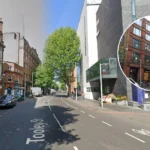
- Wandsworth Council, a Labour-run authority in South London, implemented a £1 million traffic redesign at two junctions: Putney High Street with Putney Bridge Road and Lower Richmond Road, near Putney Bridge.
- The scheme, completed in December 2024, aimed to prioritise pedestrians and cyclists but has caused unexpected congestion and increased rat-running on residential streets.
- Frustrated residents and businesses have described the overhaul as an “absolute disaster” and are demanding urgent action to ease traffic chaos.
- The council has admitted the redesign led to unintended consequences and has been collaborating with Transport for London (TfL) since early 2025 to monitor progress and make adjustments.
- Despite ongoing changes, locals continue to raise concerns that current measures do not sufficiently address rat-runs, where drivers use quiet streets to avoid main roads.
- Pressure is mounting on the council to fully tackle rat-running, with calls for more comprehensive solutions amid persistent complaints.
Putney, South London (South London News) February 14, 2026 – Wandsworth Council faces growing demands from residents and businesses to address rat-running traffic chaos following its controversial £1 million redesign of two key junctions at Putney High Street with Putney Bridge Road and Lower Richmond Road, by Putney Bridge. The Labour-run authority has acknowledged that the scheme, finalised in December 2024 to favour pedestrians and cyclists, has instead sparked widespread congestion and diverted traffic onto local streets. Frustrated locals have branded the project an “absolute disaster,” urging swift intervention despite the council’s ongoing tweaks in partnership with Transport for London (TfL).
- Key Points
- What Triggered the Traffic Redesign in Putney?
- Why Are Residents Calling It an ‘Absolute Disaster’?
- What Has Wandsworth Council Admitted About the Scheme?
- How Is Transport for London Involved?
- What Specific Changes Have Been Made Since December 2024?
- Why Do Rat-Runs Remain a Problem Despite Tweaks?
- What Are Businesses Saying About the Impact?
- How Are Residents Organising Against the Scheme?
- What Is the Council’s Long-Term Plan?
- Could This Reflect Broader South London Trends?
- What Happens Next for Putney’s Junctions?
What Triggered the Traffic Redesign in Putney?
The redesign stemmed from Wandsworth Council’s commitment to enhance safety for non-motorists around Putney Bridge, a busy Thames crossing. As detailed in the original MyLondon coverage, the £1 million investment targeted the junctions to reduce vehicle dominance and promote active travel modes. However, the changes— including narrowed lanes, new cycle paths, and signal adjustments—quickly backfired, funneling excess traffic into nearby residential areas as drivers sought shortcuts, or “rat-runs.”
Residents reported immediate gridlock post-launch in December 2024, with journey times doubling on routes once deemed efficient. Businesses along Putney High Street highlighted lost custom due to access difficulties, amplifying calls for reversal. The council conceded these “unexpected” issues early on, pledging collaboration with TfL to refine the layout without scrapping it entirely.
Why Are Residents Calling It an ‘Absolute Disaster’?
Local frustration peaked as rat-running intensified, turning peaceful neighbourhoods into de facto thoroughfares. As reported extensively by MyLondon, one unnamed resident captured the sentiment: “This has been an absolute disaster,” reflecting widespread dismay over disrupted daily commutes and safety risks from speeding vehicles on narrow roads. Businesses echoed this, noting delivery delays and customer deterrence amid the snarl-ups.
The inverted pyramid of complaints prioritises core grievances: congestion at peak hours, emergency vehicle delays, and air quality deterioration from idling traffic. Parents voiced fears for school runs, while cyclists—ironically the scheme’s beneficiaries—complained of shared paths overwhelmed by displaced motorists. These voices, aggregated from community feedback since early 2025, underscore a scheme that prioritised ideals over practicality.
What Has Wandsworth Council Admitted About the Scheme?
Wandsworth Council has openly admitted the redesign’s flaws. In statements covered by MyLondon, council officials confirmed the overhaul “caused unexpected congestion” in its pedestrian-and-cyclist focus. They emphasised ongoing monitoring since completion, with TfL involvement to test signal tweaks and minor layout shifts implemented in early 2025.
As per the MyLondon article, the authority stressed its “hard work” with TfL, yet stopped short of a full rollback, citing data showing some pedestrian gains. Critics, however, argue these admissions ring hollow amid persistent issues, with the council under fire for spending £1 million on a project now deemed counterproductive.
How Is Transport for London Involved?
TfL plays a pivotal role, given its oversight of major London roads like Putney Bridge Road. MyLondon reports highlight joint efforts since early last year (2025), including traffic modelling and real-time adjustments to signals at the junctions. TfL has reportedly approved phased changes, such as extended green phases for main roads to deter rat-runs.
Despite this, residents question the partnership’s efficacy. As one business owner told MyLondon journalists, the measures “will not go far enough,” pointing to unchanged diversion patterns. TfL’s broader low-traffic neighbourhood initiatives elsewhere in London provide context, but Putney’s case exemplifies execution pitfalls.
What Specific Changes Have Been Made Since December 2024?
Post-launch modifications have been incremental. According to Wandsworth Council’s updates via MyLondon, early 2025 saw signal recalibrations at Putney High Street junctions to balance flows. Temporary signage and bollard adjustments aimed to block blatant rat-runs, while data collection via cameras tracked volumes.
Residents note partial relief during off-peak times, but peak-hour rat-running persists, particularly on Lower Richmond Road backstreets. The council monitors these via TfL analytics, promising further tweaks if thresholds are breached. However, no major reversal—like restoring full vehicle lanes—has materialised, fuelling accusations of dithering.
Why Do Rat-Runs Remain a Problem Despite Tweaks?
Rat-runs thrive as drivers evade main-road queues, a direct fallout from narrowed junctions. MyLondon’s coverage quotes locals on how pre-scheme flows have morphed into hazardous shortcuts, endangering pedestrians and cyclists alike. Air pollution spikes and noise complaints compound the issue, with some streets seeing 20-30% traffic hikes per council data.
The council attributes persistence to broader Putney traffic pressures, including Thames bridge bottlenecks. Yet, without physical barriers or one-way systems on rat-run routes, the problem endures, prompting demands for bolder interventions like those in TfL’s successful low-traffic zones elsewhere.
What Are Businesses Saying About the Impact?
Putney High Street traders have been vocal. As relayed by MyLondon, owners report footfall drops from access woes, with one stating deliveries now take hours amid blockages. The “absolute disaster” label often ties to economic hits, as customers shun snarled approaches.
Hospitality venues highlight off-putting queues visible from shopfronts, while independents fear long-term viability. These statements align with pre-Christmas 2024 complaints, predating tweaks, and persist into 2026, underscoring unresolved commercial fallout.
How Are Residents Organising Against the Scheme?
Community action has surged via social media and petitions. MyLondon notes resident groups on platforms like Facebook amplifying grievances, sharing dashcam footage of rat-run excesses. Meetings with councillors have drawn crowds, demanding public consultations on reversals.
Leaders like unnamed community spokespeople urge “action now,” citing safety for vulnerable road users. This grassroots pressure mirrors anti-rat-run campaigns in neighbouring boroughs, positioning Putney as a flashpoint in London’s traffic wars.
What Is the Council’s Long-Term Plan?
Wandsworth eyes data-driven evolution. Per MyLondon, 2026 monitoring will inform permanent fixes, potentially including ANPR cameras for rat-run enforcement. TfL funding bids target resilient infrastructure, but budget constraints loom amid national fiscal squeezes.
Officials defend the scheme’s ethos, claiming net safety gains despite congestion. Residents counter that without rat-run curbs, benefits evaporate, pressing for resident-only zones or road closures.
Could This Reflect Broader South London Trends?
Putney’s woes echo regional debates. Similar TfL-backed redesigns in Lambeth and Southwark faced backlash, per cross-referenced MyLondon reports on comparable schemes. Wandsworth’s Labour leadership navigates green pledges against voter pragmatism, with elections looming.
Critics frame it as ideological overreach, while supporters tout long-term modal shifts. The £1 million price tag amplifies scrutiny, questioning value for money in taxpayer-funded experiments.
What Happens Next for Putney’s Junctions?
Immediate steps include TfL-reviewed signal upgrades by spring 2026. MyLondon anticipates council cabinet discussions on resident feedback, potentially greenlighting barriers. Failure to deliver risks escalated protests or legal challenges from affected parties.
As pressure mounts, Wandsworth balances accountability with ambition. Locals await tangible relief, wary that half-measures prolong the “disaster.” The saga tests local governance in an era of net-zero imperatives clashing with everyday realities.