Key Points
- The UK Statistics Authority (UKSA), through interim chair Penny Young, warned Wandsworth Council that its claim of freezing council tax for the fourth consecutive year has “the potential to mislead” taxpayers, as it does not reflect rises in total bills from other charges like the adult social care precept and Greater London Authority (GLA) levy.
- Wandsworth Council, under Labour leadership since 2022, promoted the “freeze” via videos, leaflets, press releases, social media, news pieces, and web pages, often specifying only the “main element” of council tax while omitting context on overall bill increases.
- Total Band D council tax bills in Wandsworth will rise by over £30 annually to £1,020.35 from April 2026, including a 2% increase in the adult social care precept (£10.15 extra for council services to £509.84) and a 4.1% GLA precept rise (£20.13 extra to £510.51).
- Wandsworth boasts the lowest average Band D council tax in the UK at £990 (pre-rise), far below London’s typical £2,000+ bills, a legacy continued under Labour.
- UKSA letter dated 23 March 2026 to Councillor Simon Hogg urges the council to follow Standards for Public Use of Statistics to avoid misinterpretation, noting separate website pages provide details but promotional materials lack this context.
- Conservative critics, including opposition leader Aled Richards-Jones, accused Labour of telling “porkies” (lies), highlighting reserve drawdowns of £38m in 2026/27 plus £15m this year, and future funding cuts of £19m rising to £79m by decade’s end.
- Clapham Junction Action Group (Cjag.org) reports government funding formula changes target low-tax boroughs like Wandsworth, projecting potential 87% council tax hikes by 2027/28 without cuts or borrowing, amid business rates reset.
- Council leader Councillor Simon Hogg defended the freeze on the “main element,” citing low debt and high reserves allowing investment in services.
- Concerns raised ahead of May 2026 local elections, with heated council debates on finances; Conservatives warn of “financial asteroid,” Labour emphasises four-year low-tax record.
- Wandsworth holds ~£209m usable reserves (plus £396m total), low debt (£129m internal), but plans £1.1bn borrowing over 10 years for housing.
Wandsworth (South London News) March 24, 2026 – The UK Statistics Authority has cautioned Wandsworth Council against claiming a council tax freeze for four years running, deeming it potentially misleading to residents whose total bills will still increase due to other levies. This intervention follows complaints about the Labour-led authority’s promotional campaign, which highlights a freeze on its core share while glossing over rises in adult social care and GLA precepts. Despite the criticism, Wandsworth maintains the UK’s lowest average household council tax, a point of pride amid mounting financial pressures from central government cuts.
What Triggered the UKSA Warning?
The UKSA’s involvement stemmed from direct public complaints about Wandsworth Council’s communications. As detailed in a letter from interim chair Penny Young to Councillor Simon Hogg, dated 23 March 2026, the authority examined claims like
“frozen Council Tax for residents for the fourth consecutive year”
across news pieces, webpages, social media, and pink promotional leaflets distributed borough-wide.
Penny Young wrote:
“In this context, we find it is likely that people would understand the term ‘frozen’ to relate to an increase in their total council tax bill. While some of Wandsworth Council’s communications do refer to ‘the main element’ of council tax being frozen, they are unclear that residents’ council tax bills will still rise by a significant amount due to other local authority charges.”
She noted that while council website pages explain the adult social care precept and GLA impacts, this context is absent from many promotional materials, breaching the Supporting understanding standard.
The OSR, overseen by UKSA, encourages but does not mandate councils to adhere to these standards for transparent public use of data. Young urged:
“We ask you to consider the standards which require you to support understanding and… ‘take proactive steps to prevent or minimise the risk of misinterpretation or misuse’ of data.”
How Does the Council Tax ‘Freeze’ Actually Work?
Wandsworth Council froze its core council tax element – funding services excluding adult social care – marking the fourth year of this policy under Labour since 2022. However, total bills rise due to mandatory components: a 2% adult social care precept hike (maximum allowed) and the GLA’s 4.1% increase for policing and fire services.
For a Band D property, this means an overall rise exceeding £30 to £1,020.35 from April 2026: council services portion to £509.84 (+£10.15), GLA share to £510.51 (+£20.13). Councillor Simon Hogg stated:
“This allows us to freeze the main element of council tax, keep more money in your pocket and invest in what matters to you.”
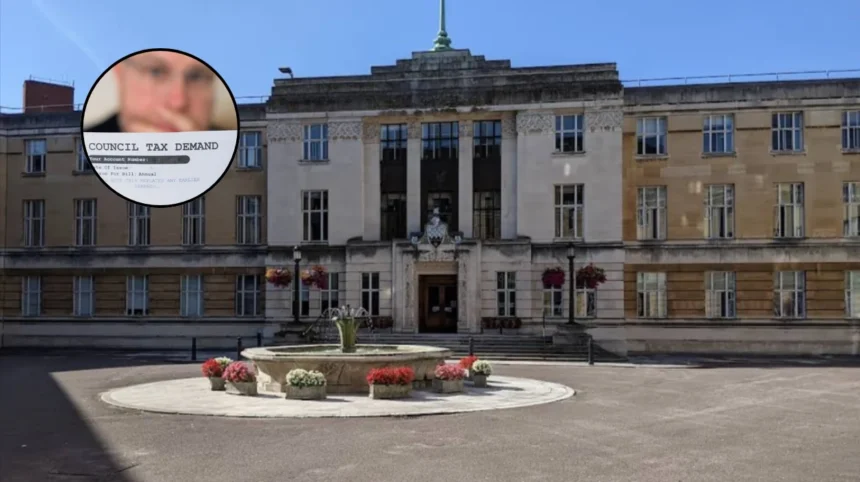
As reported by the Evening Standard, opposition Tory leader Aled Richards-Jones branded this “porkies,” posting a bill image with a lying face emoji and writing to residents:
“Labour’s claim to have ‘frozen’ council tax simply isn’t true – and the reality is shocking.”
Historical context shows continuity: even under past Conservative rule, similar precepts rose while core rates stayed low, keeping Wandsworth’s Band D at £961 in 2022 – the UK’s lowest.
Why Is Wandsworth’s Council Tax the Lowest in the UK?
Wandsworth has long boasted the lowest Band D council tax nationally, currently £990 pre-rise – half London’s average over £2,000. This stems from a low-debt, high-reserves strategy: ~£209m usable reserves (£15m working balance + £193.9m earmarked), £396m total, and minimal external borrowing (£129m internal).
Councillor Hogg highlighted
“one of the lowest levels of debt and some of the highest financial reserves in London.”
Past Conservative administrations built reserves via surpluses, asset sales, and low spending growth, including a £91m Financial Resilience Reserve from 2014/15.
Comparisons underscore this: Westminster (£350m reserves, £572m debt), Kensington & Chelsea (£118m reserves, £433m debt), Lambeth (£55m reserves, £1.13bn debt). Clapham Junction Action Group’s Cyril Richert noted Wandsworth’s “quasi debt-free” status among London councils.
What Financial Pressures Face the Council?
Central government reforms pose a “financial timebomb,” per Clapham Junction Action Group. The Provisional Local Government Finance Settlement (PLGFS) to 2028/29 redirects funds to deprived areas, slashing Wandsworth’s grants: £19m loss in 2026/27 to £79m by end.
The “fair funding” formula assumes higher tax capacity in low-rate boroughs, with business rates reset erasing growth gains. Institute for Fiscal Studies noted 43% of councils face real-terms cuts, including inner London, assuming
Council documents project council tax requirement doubling to £143m (2027/28), needing 87% hikes without savings; Executive Director of Finance stated losses “much worse than expected,” with £7m business rates protection insufficient. Reserves will cover £23m this year, £50m next, but could halve in two years.
Labour plans £45m efficiencies (£14m identified), but critics like Aled Richards-Jones warn of a “financial asteroid”: reserves at £166m will exhaust, forcing tax rises, cuts, or £1.1bn borrowing (including £870m external for housing over 10 years).
Cabinet member Councillor Angela Ireland said:
“On fair funding, it’s not ideal… we have reserves which buys us time and we are working on efficiencies.”
What Was Said in Recent Council Debates?
Tensions peaked at a February 2026 council meeting running until midnight. Conservatives, led by Peter Graham, accused Labour of delaying finance discussions; Graham quipped on Councillor Angela Ireland: “I almost feel sorry… forced to read what was handed to her – rather like those PR spokespeople in collapsing regimes.”
Councillor Daniel Hamilton questioned: “What went wrong? …on the other side of London, their settlement is going up by more than £200m.” Labour’s Hogg repeated the freeze mantra, accusing Tories of anger over sustained low taxes.
Councillor Aydin Dikerdem admitted: “It’s a massive challenge.” Conservative post-meeting:
“[If we win] we will cut waste… but won’t make their mistake of implying that tax can just stay where it is.”
Both sides admitted past precept “tricks.”
Who Are the Key Figures Involved?
Councillor Simon Hogg, Labour leader since 2022, fronts the freeze narrative. Penny Young, UKSA interim chair, authored the cautionary letter. Aled Richards-Jones, Tory opposition leader, leads “porkies” attacks. Cyril Richert of Clapham Junction Action Group dissected finances.
Others: Councillor Angela Ireland (finance), Aydin Dikerdem (housing), Peter Graham, Daniel Hamilton (Conservatives).
What Happens Next Ahead of Elections?
With May 2026 locals looming – Labour defending 2022 gains in Sadiq Khan’s home borough – scrutiny intensifies. No plans for >5% hikes via new referendum exemptions, but forecasts loom large. UKSA seeks future compliance; council was contacted for response but silent per reports.
Opposition eyes cuts to Labour “pet projects,” protecting bins. Labour touts record: four-year freeze, low debt. Taxpayers await bills amid “Cost of Living” pledges.