Key Points
- South London’s Wandsworth Council delayed informing a resident, Mr X, about costs for his father’s care for over 18 months.
- The Local Government and Social Care Ombudsman (LGSCO) criticised the council for significant delays in care plans, financial assessments, and billing.
- Mr X’s father received care starting February 2023, but bills and care plans were either late or not provided.
- The council backdated care charges, demanding thousands of pounds without clear invoicing or explanations.
- Ombudsman ordered the council to reduce fees by £1,000, apologise to Mr X, and issue clear billing details.
- Wandsworth Council accepted the findings, issued an apology, and promised service improvements.
What Happened with Mr X’s Father’s Care Billing by Wandsworth Council?
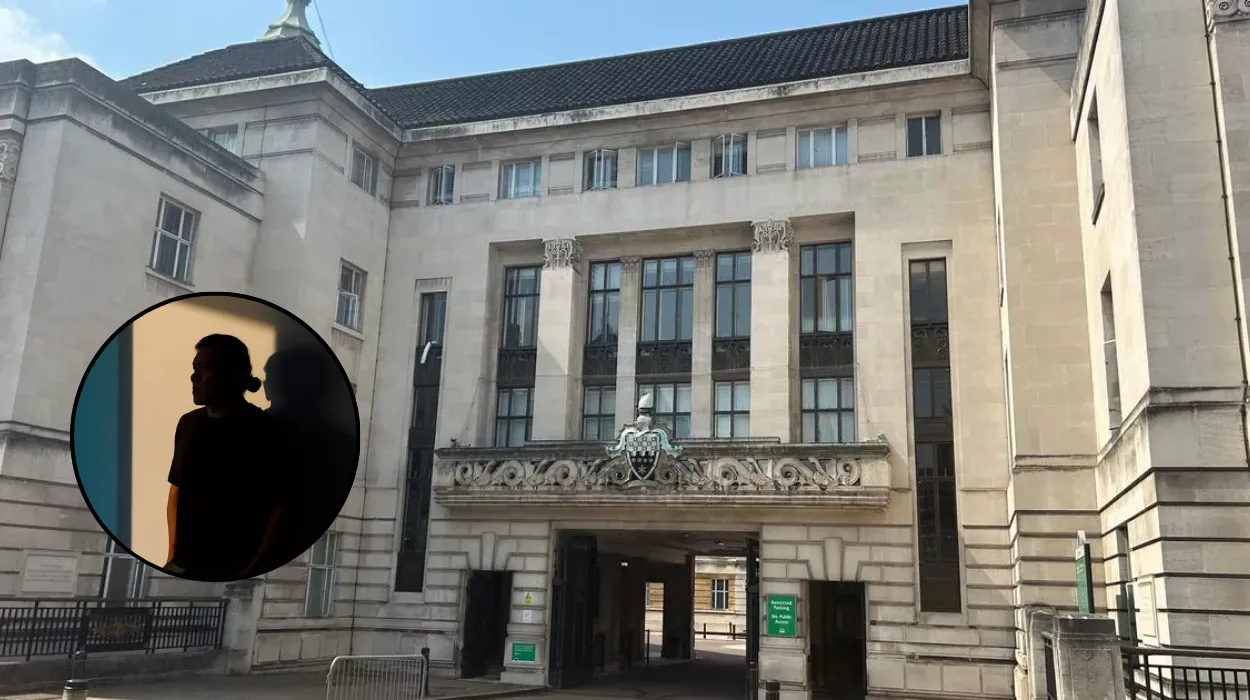
As reported by Harry Wilkinson of MyLondon, Mr X, a resident of South London, was unexpectedly hit with a substantial bill for his father’s social care costs after Wandsworth Council failed to communicate how much it was charging. The council had started providing care in February 2023 but did not share the care and support plan until March 2023, by which time Mr X cancelled the initial care arrangement.
- Key Points
- What Happened with Mr X’s Father’s Care Billing by Wandsworth Council?
- How Long Did the Council Delay the Financial Assessment and Billing?
- Why Did the Ombudsman Find Fault with Wandsworth Council?
- What Remedy Did the Ombudsman Recommend?
- How Did Wandsworth Council Respond to the Ombudsman’s Findings?
- What Are The Wider Implications for Social Care?
Care services resumed in July 2023. However, despite restarting care, the council again failed to share the updated care plan with Mr X and his family, creating confusion about what was provided and at what cost.
How Long Did the Council Delay the Financial Assessment and Billing?
According to the Local Government and Social Care Ombudsman’s report obtained by MyLondon, the council did not complete the required financial assessment for Mr X’s father until late September 2024, more than 18 months after care began. This tardiness meant that during this long period, Mr X had no clear information on his father’s financial contribution towards care.
When the assessment was finally done, the council informed Mr X that his father’s charges were as follows:
- £500 per week from 20 February 2023 to 8 March 2023
- £604 per week from 7 July 2023 to 30 June 2024
- £638 per week from 1 July 2024 onwards
However, these charges were presented without a clear and transparent breakdown of what services were covered.
Why Did the Ombudsman Find Fault with Wandsworth Council?
The Ombudsman’s report highlighted multiple failings by the council:
- Significant delays in producing care and support plans
- Failure to conduct timely financial assessments
- Non-transparent and late billing which deprived Mr X of the ability to make informed decisions about his father’s care
- Causing “distress, frustration and lost opportunity” to Mr X and his family
Moreover, in July 2025, the council made a £6,665.81 deduction from Mr X’s father’s charges due to unclear issues around whether “double handed care” was provided. However, the watchdog criticised the council for lacking clarity even on this reduction, as it failed to explain what care was included or why the amount was deducted, thus further confusing Mr X.
What Remedy Did the Ombudsman Recommend?
The LGSCO instructed Wandsworth Council to:
- Apologise to Mr X for the multiple service failures and distress caused
- Pay Mr X £1,000 as a financial remedy for the faults found
- Provide Mr X with a clear and comprehensive breakdown of all charges relating to his father’s care
The Ombudsman concluded that while the council was entitled to charge for care and backdate charges after assessment, the series of failings around timeliness, communication, and transparency were unacceptable and caused avoidable distress for Mr X.
How Did Wandsworth Council Respond to the Ombudsman’s Findings?
As provided to MyLondon’s Harry Wilkinson, a Wandsworth Council spokesperson said:
“We seek to deliver the best possible outcomes for residents with social care needs. We accept the ombudsman’s findings and have apologised to Mr X, paying the financial remedy ordered. We’re sorry for the distress Mr X and his father experienced, and we have taken lessons from this experience to improve our service.”
What Are The Wider Implications for Social Care?
This case underscores ongoing challenges in UK local authorities’ handling of adult social care billing and communications. Delays in assessments and opaque billing can leave families burdened with unexpected costs and unable to plan adequately. Ombudsman interventions highlight the need for councils to improve transparency and timeliness when managing care services to prevent distress and frustration.