Key Points
- Wandsworth Council spent £1 million redesigning junctions at Putney High Street with Putney Bridge Road and Lower Richmond Road, near Putney Bridge, to prioritise pedestrians and cyclists.
- Residents and businesses describe the overhaul as a “disaster”, citing worsened congestion and gridlock on Putney Bridge Road and Lower Richmond Road.
- The redesign has pushed traffic onto side roads, exacerbating long-standing congestion issues in Putney, which intensified after Hammersmith Bridge closed to vehicles in 2019.
- Locals report severe impacts on daily lives, including lateness for work and school, reluctance to leave homes, and visitors avoiding the area.
- Wandsworth Council admitted last year that the redesign caused “unexpected congestion”.
- The Labour-run council initially resisted acknowledging the redesign’s shortcomings, prolonging the saga according to affected residents.
- Residents spoke to the Local Democracy Reporting Service (LDRS) about persistent gridlock and havoc wreaked on routines.
- The project aimed to improve safety and flow for non-motorised users but has backfired, per local feedback.
Putney (South London News) January 23, 2026 – A £1 million road redesign near Putney Bridge has sparked outrage among locals, who label it a “disaster” for intensifying traffic chaos despite aims to favour pedestrians and cyclists.
- Key Points
- What Changes Did Wandsworth Council Implement?
- Why Do Locals Call It a ‘Disaster’?
- What Admission Did the Council Make?
- How Has Traffic Been Affected Overall?
- What Are the Impacts on Residents and Businesses?
- Why Did the Council Prioritise Pedestrians and Cyclists?
- When Did the Problems First Emerge?
- Who Is Responsible for the Redesign?
- What Happens Next for Putney’s Roads?
- Broader Context: Similar Issues Elsewhere?
What Changes Did Wandsworth Council Implement?
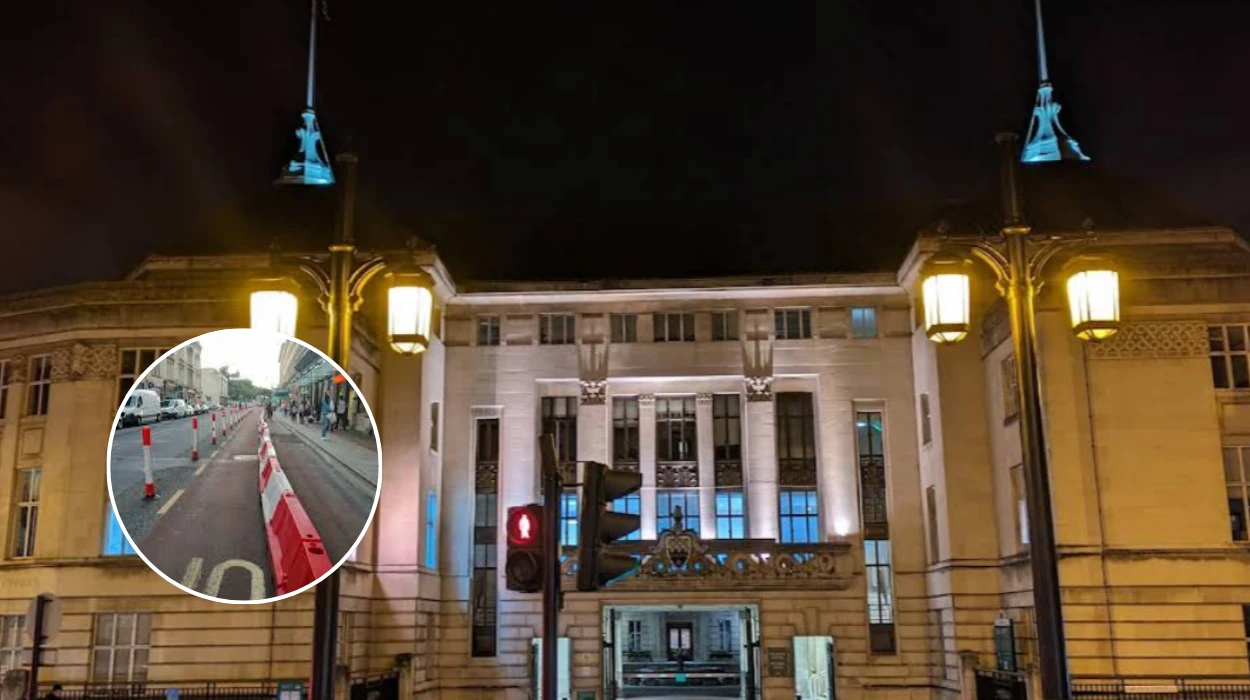
The redesign targeted key junctions where Putney High Street meets Putney Bridge Road and Lower Richmond Road, directly by Putney Bridge. As detailed in the original coverage by MyLondon, Wandsworth Council overhauled these areas to prioritise pedestrians and cyclists, introducing alterations to traffic flow and road layout. Residents told the Local Democracy Reporting Service (LDRS) that Putney Bridge Road and Lower Richmond Road now face persistent gridlock as a direct result. The council’s initiative sought to enhance safety and accessibility for non-drivers, but locals argue it has displaced congestion rather than resolved it.
Putney has endured chronic traffic problems, worsened since Hammersmith Bridge shut to vehicles in 2019, forcing more drivers through the area. The £1 million investment, however, has amplified these woes, according to those affected. Businesses and homeowners report side roads now bear the brunt of diverted vehicles, turning neighbourhoods into bottlenecks.
Why Do Locals Call It a ‘Disaster’?
Frustrated residents and business owners have voiced strong discontent over the redesign’s fallout. Locals said, as reported by MyLondon, that the overhaul made congestion in Putney “far worse” than pre-existing issues. They highlighted daily havoc: people arriving late for work or school, others hesitant to venture out, and potential visitors shunning the zone altogether.
The saga’s prolongation stems from the Labour-run council’s initial reluctance to concede flaws, per resident accounts to the LDRS. One local, speaking anonymously through the service, described being “persistently gridlocked” on affected roads, underscoring the personal toll. Businesses echo this, noting lost custom as access grows torturous. These testimonies paint a picture of disrupted lives, with the redesign’s pedestrian focus alienating motorists without delivering promised relief.
What Admission Did the Council Make?
Wandsworth Council acknowledged last year that the redesign triggered “unexpected congestion”. This admission, highlighted in MyLondon’s reporting, marks a pivotal shift after initial resistance. The council’s statement implies the changes fell short of projections, validating local grievances to some extent.
Despite this, implementation details remain tied to the £1 million outlay, with no immediate reversal signalled. The LDRS, via resident interviews, captured the council’s slowness to act, fostering perceptions of dismissal. This confession arrives amid ongoing complaints, yet specifics on remedial plans stay sparse in available coverage.
How Has Traffic Been Affected Overall?
Congestion has surged post-redesign, pushing vehicles onto quieter side roads and compounding Putney’s baseline snarls. Hammersmith Bridge’s 2019 closure already strained routes, but locals attribute the latest escalation squarely to the junctions’ revamp. MyLondon notes traffic displacement as a core complaint, with Putney Bridge Road and Lower Richmond Road emblematic of the misery.
Daily commutes now stretch interminably, per LDRS-sourced accounts, deterring outings and visits. The redesign’s cyclist and pedestrian emphasis narrowed motor lanes, inverting priorities in a car-dependent locale. No quantitative data from council metrics appears in reports, but anecdotal evidence from residents paints gridlock as routine.
What Are the Impacts on Residents and Businesses?
The human cost dominates narratives. Residents report professional and educational delays, with one LDRS interviewee lamenting routine tardiness. Homebound reluctance grows as journeys prove punishing, while visitors bypass Putney amid notoriety.
Businesses suffer patronage dips, as access woes deter customers. The LDRS captured this breadth: from workers to families, the redesign disrupts orbits. Labour council critics among locals decry the drawn-out response, viewing it as ideological stubbornness over pragmatism. These effects, chronicled by MyLondon, underscore a project gone awry.
Why Did the Council Prioritise Pedestrians and Cyclists?
The overhaul stemmed from broader active travel mandates, aiming to reclaim streets for walkers and bikes. Wandsworth Council, per MyLondon, invested £1 million to reconfigure junctions accordingly, aligning with national pushes for sustainable transport. Putney Bridge’s proximity made it a focal point, with layout tweaks favouring non-motorised paths.
Yet this vision clashed with reality, as motor volume overwhelmed tweaks. The 2019 Hammersmith closure amplified pressures, unaccounted for in projections perhaps. Council’s “unexpected congestion” nod admits miscalculation, though origins lie in equity goals now questioned locally.
When Did the Problems First Emerge?
Issues surfaced soon after rollout, with gridlock reports mounting via LDRS channels. MyLondon’s piece flags last year’s council admission as a turning point, implying troubles predated it. Putney’s pre-existing woes, supercharged by Hammersmith’s shutdown, set the stage, but redesign catalysed the “disaster” label.
Residents note the Labour council’s early unwillingness to pivot, extending agony. Timeline precision stays vague sans exact launch dates, but persistence suggests months of strife by January 2026.
Who Is Responsible for the Redesign?
Wandsworth Council, under Labour leadership, greenlit and funded the £1 million project. MyLondon attributes the overhaul directly to them, with no named officials quoted therein. The LDRS, relaying local views, critiques council reticence without specifying overseers.
Residents hold the authority accountable, eyeing initial denial. No opposition figures or external consultants surface in reports, centering blame on the administering body.
What Happens Next for Putney’s Roads?
Future steps remain unclear, with council admissions not yet yielding fixes. Locals urge reversals, per LDRS, but no timelines emerge from MyLondon coverage. Ongoing gridlock demands scrutiny, potentially spurring reviews or funding for amends.
The £1 million spend looms large, questioning value amid backlash. Resident pressure, amplified by media, may force action, though Labour’s stance hints at defence. Putney awaits resolution to reclaim normalcy.
Broader Context: Similar Issues Elsewhere?
Putney exemplifies tensions in urban mobility shifts, mirroring national debates on car curbs. Hammersmith’s lingering closure underscores regional interdependence, straining South London veins. MyLondon’s focus stays local, but parallels abound in cycle-lane controversies nationwide.
Councils balance green imperatives against motorist needs, often igniting rows. Wandsworth’s case, with its candid admission, offers a cautionary tale for peers.