Key Points
- Plans to build a cycle lane on Woolwich Common in south-east London could lead to felling more than 50 trees.
- Lewisham and Greenwich NHS Trust owns the 0.62-mile road between Woolwich Common and Queen Elizabeth Hospital and wants to rebuild and upgrade it.
- The upgrade aims to make the road an adoptable highway, turning it into a public road.
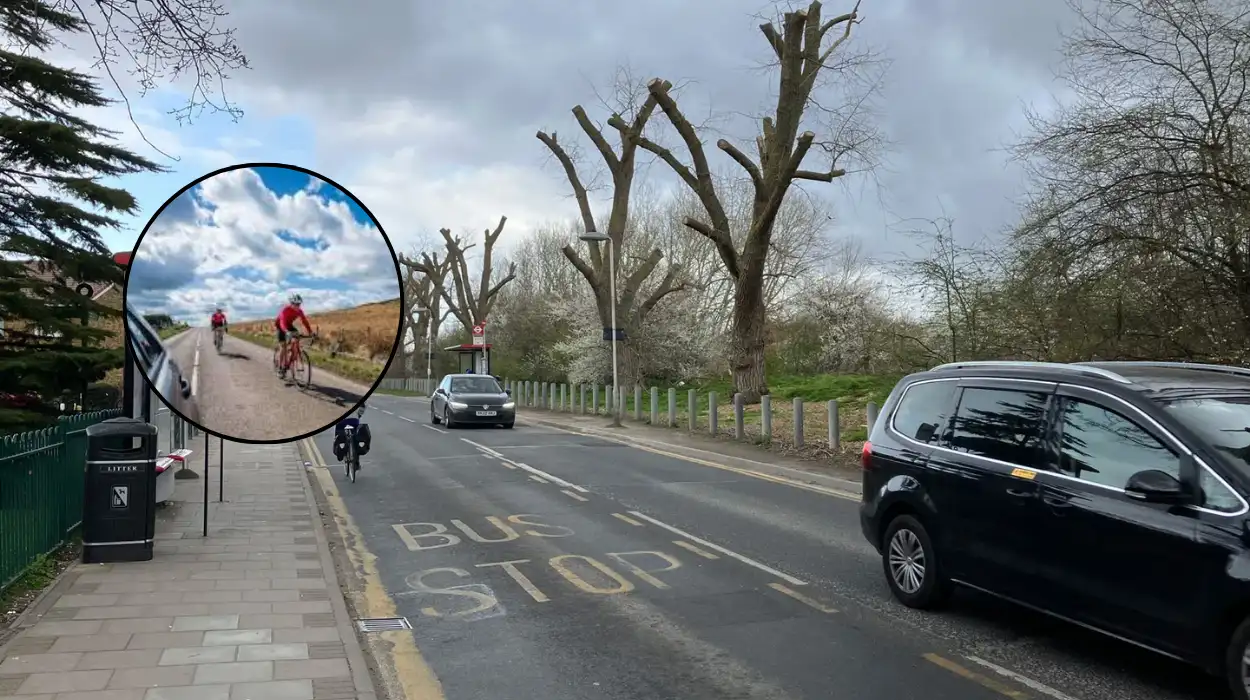
- Proposed plans would widen the road and create a continuous footpath and cycleway, removing up to 46 healthy trees plus seven in poor condition.
- The NHS trust proposes planting 76 replacement trees to mitigate the removal.
- The plans have attracted 539 objections from local residents and local groups including Greenwich Cyclists, Friends of Woolwich Common, and The Charlton Society.
- A meeting among stakeholders failed to reach consensus on tree removal.
- Separately, Herefordshire Council approved the felling of a prominent cherry tree in Hereford due to safety concerns, despite local opposition.
What are the details of the bike path plans on Woolwich Common?
As reported by the Local Democracy Reporting Service, Lewisham and Greenwich NHS Trust seeks to rebuild and upgrade the 0.62-mile (1 km) road linking Woolwich Common to the Queen Elizabeth Hospital. The trust intends to elevate the road to adoptable highway standards so it can be officially taken over by the Highway Authority and become a public road.
- Key Points
- What are the details of the bike path plans on Woolwich Common?
- How many trees might be lost because of the plan?
- What has been the local response to the tree removal?
- Have there been attempts to reach a compromise?
- What are the intended benefits of the cycle lane and road improvements?
- When will a decision be made on the proposals?
- What is happening with the cherry tree in Hereford’s St Peter’s Street?
- Why is there opposition to the replacement plans for the cherry tree?
- What has been decided about replacing the tree?
The proposals focus on the Stadium Road and Baker Road carriageway, where the eastern side—currently a path and grass verge—would be replaced with an 8.2ft (2.5m) wide continuous footpath and cycleway. This would allow uninterrupted cycling and pedestrian movement.
How many trees might be lost because of the plan?
According to the NHS trust’s plan, the road widening would necessitate removing up to 46 healthy trees along Woolwich Common, as well as seven additional trees deemed to be in “extremely poor condition” which need to be felled regardless, totalling more than 50 trees.
The trust has responded by proposing to plant 76 replacement trees “as close to the sites of loss wherever possible” to compensate for the environmental impact.
What has been the local response to the tree removal?
The plans have triggered significant opposition. The Local Democracy Reporting Service relayed that Greenwich residents filed 539 objections. Local groups have been vocal too. The cycle campaigning group Greenwich Cyclists, representing about 250 members, stated,
“We believe there are opportunities to improve facilities for pedestrians and cyclists with the reconstruction of Baker Road and Stadium Road whilst minimising the loss of mature, healthy trees.”
Friends of Woolwich Common and The Charlton Society also strongly opposed the tree felling, concerned about the loss of mature trees that are significant for carbon absorption and community green space.
Members of the community argued that newly planted trees take years to grow to the carbon-storing capacity of mature trees, and removing established trees releases stored carbon into the atmosphere.
Have there been attempts to reach a compromise?
Yes. A meeting took place last month between Friends of Woolwich Common, Greenwich Cyclists, NHS trust representatives, and officers from Greenwich Council’s Planning and Highways departments. Council documents showed no consensus was reached, with both community groups holding onto their objections to any removal of trees.
What are the intended benefits of the cycle lane and road improvements?
The NHS trust hopes the carriageway improvements will “offer enhanced and safer cycling and pedestrian facilities along this route,” as stated in their plans. Various crossing facilities have also been proposed to improve pedestrian safety.
When will a decision be made on the proposals?
Greenwich Council is scheduled to make a decision regarding the proposals on the coming Tuesday. This decision will weigh the trust’s infrastructure goals against community and environmental concerns.
What is happening with the cherry tree in Hereford’s St Peter’s Street?
In a related tree removal story, Herefordshire Council approved the felling of a 40ft (12.1m) cherry tree located in St Peter’s Street near St Peter’s Church, as reported by the BBC Local Democracy Reporting Service. The tree showed signs of dieback in its crown, and its brick planter had crumbled, creating safety risks which led to the planter being cordoned off.
Why is there opposition to the replacement plans for the cherry tree?
Herefordshire Tree Forum, represented by city tree warden Mo Burns, opposed the planned replacement planter and shrubs “in the strongest terms,” citing that Hereford “already suffers from a severe lack of trees.” Although Ms Burns acknowledged the cherry had been “badly planted in the first place,” the loss was a concern to the community that values its green spaces.
Resident Carol Langstaff argued that the tree and its planter constrained pedestrian access and hindered mobility scooters and disabled citizens, recommending that the tree be completely removed and not replaced.
What has been decided about replacing the tree?
Council planning officer Andrew Cunningham approved the tree’s removal, but the replacement is not yet finalised. Cunningham noted it would be “impractical to replant a tree within the planter once repaired,” but suggested exploring the possibility of planting an ornamental woody tree species or planting replacement trees elsewhere in the city to mitigate the loss.