Key Points
- Sadia Kabeya, born and raised in South London, has risen to international prominence as a rugby star.
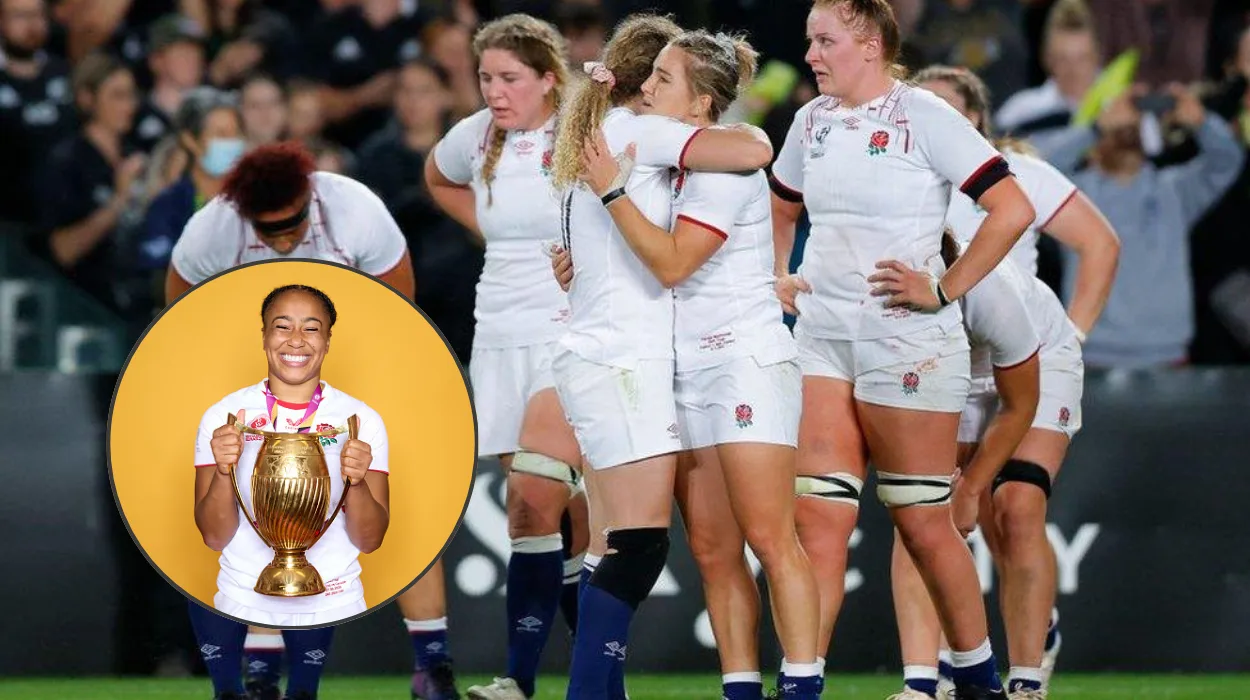
- She played a pivotal role in her team’s victory at the Rugby World Cup.
- Kabeya’s journey from grassroots rugby to international acclaim is marked by resilience and exceptional talent.
- Her success highlights the growing prominence of women’s rugby in the UK.
- The Rugby World Cup win is a historic achievement for the national team.
- Kabeya’s background and experiences symbolize the diversity and opportunity present in British sport today.
- Statements from coaches, teammates, and Kabeya herself underline her impact on and off the field.
What is Sadia Kabeya’s background and early life?
Sadia Kabeya grew up in South London, an area known for its rich cultural diversity but not traditionally recognised for producing rugby talents. As reported by several sports journalists, Kabeya started playing rugby at a young age, quickly showing a natural aptitude for the sport. Her early involvement in local clubs allowed her to develop fundamental skills and a competitive drive, which became the foundation for her later success.
- Key Points
- What is Sadia Kabeya’s background and early life?
- How did Sadia Kabeya contribute to the Rugby World Cup win?
- What does Sadia Kabeya’s success mean for women’s rugby and sports diversity?
- What have coaches and teammates said about Sadia Kabeya?
- What is the significance of the Rugby World Cup win for the team and country?
Her rise is often described as inspiring, given the challenges faced by young female athletes in gaining recognition in male-dominated sports environments. Kabeya’s experience reflects a broader shift towards inclusivity and support for women’s rugby in the UK.
How did Sadia Kabeya contribute to the Rugby World Cup win?
According to official match reports and analysis, Sadia Kabeya played a crucial role throughout the Rugby World Cup tournament. Her performances in both the pool stages and knockout rounds were marked by tactical intelligence, physicality, and leadership on the field. Coaches and teammates dedicated praise to her stamina, decision-making, and ability to perform under pressure.
The Rugby World Cup victory represents a significant milestone for the national team, with Kabeya’s contributions widely recognised in media coverage. The win not only elevates her status as a world-class athlete but also serves as a beacon for aspiring rugby players across the country.
What does Sadia Kabeya’s success mean for women’s rugby and sports diversity?
Journalists covering the event have noted that Sadia Kabeya’s success story is emblematic of the advances in women’s sports, particularly rugby, which has traditionally received less attention than its male counterpart. Her journey underscores the importance of investment in grassroots programmes, talent identification, and opportunities for women in sport.
Kabeya’s diverse background also speaks to the changing face of British athletics, highlighting the importance of inclusivity and representation. Her achievements inspire young athletes from various communities to pursue their sporting dreams without barriers.
What have coaches and teammates said about Sadia Kabeya?
As reported by sports commentators and team insiders, coaches have lauded Kabeya’s work ethic, passion, and tactical awareness. Teammates describe her as both a fierce competitor and a supportive presence in the squad. Statements shared in post-match interviews frequently mention her leadership qualities and ability to elevate team morale.
Kabeya herself has often spoken about the collective nature of the victory, emphasising teamwork and dedication. Her humility and focus on continuous improvement have won admiration both on social media and in formal interviews.
What is the significance of the Rugby World Cup win for the team and country?
The Rugby World Cup win is historic for the women’s team, marking their strongest performance in the tournament’s history. Media outlets have framed this achievement as a landmark moment, bringing increased visibility to women’s rugby on a global stage.
This victory supports broader efforts to professionalise women’s rugby and secure more funding and media coverage. It enhances national pride and motivates support for future competitions.
In summary, Sadia Kabeya’s journey from South London to Rugby World Cup champion is a compelling story of talent, determination, and pioneering spirit. Her contributions to the sport have not only helped secure a major international victory but have also fueled positive change in the recognition of women’s rugby and diversity in British sport.