Key Points
- A South London collective is revitalising Brixton’s cultural and rum scene.
- The group emphasizes community ownership and representation.
- They promote Brixton as London’s “culture capital.”
- Efforts include supporting local rum producers and businesses.
- The collective aims to protect Brixton’s heritage amid gentrification.
- Various media sources and journalists have reported on the initiative, reflecting diverse perspectives and thorough coverage.
What Is the South London Collective Doing for Brixton’s Culture?
Brixton, a vibrant district in South London known for its rich cultural history, has recently become the focus of a collective that aims to reclaim and strengthen its identity as London’s “culture capital.” This initiative is spearheaded by a group of local artists, entrepreneurs, and cultural advocates who have taken ownership of the area’s narrative and its famed rum scene. As reported by various local media journalists, this collective is dedicated to supporting small, Black-owned rum producers in the area while fostering an inclusive community identity that resists the pressures of gentrification.
According to journalists from leading media outlets, the collective’s approach involves organising events, collaborating with local businesses, and raising awareness about the historical and cultural significance of Brixton’s contributions to London’s wider cultural landscape. The rum scene, closely interlinked with the area’s Caribbean heritage, is a core element of their mission, reflecting pride and cultural preservation through the promotion of local products.
Why Is Community Ownership Important for Brixton?
Community ownership is central to the collective’s philosophy, addressing concerns about the dilution or erasure of Brixton’s heritage amid rapid urban development. Journalists covering this story highlight how local voices have often been marginalised in decision-making processes affecting the neighbourhood. By taking ownership, the collective ensures that economic benefits and cultural recognition are channelled back into the hands of Brixton residents, especially those historically excluded.
Media coverage notes that the collective actively challenges larger commercial interests that threaten to overshadow grassroots businesses and the genuine cultural fabric of Brixton. This stance has garnered significant support within the community, reinforcing a sense of empowerment and unity.
How Does the Collective Support the Local Rum Scene?
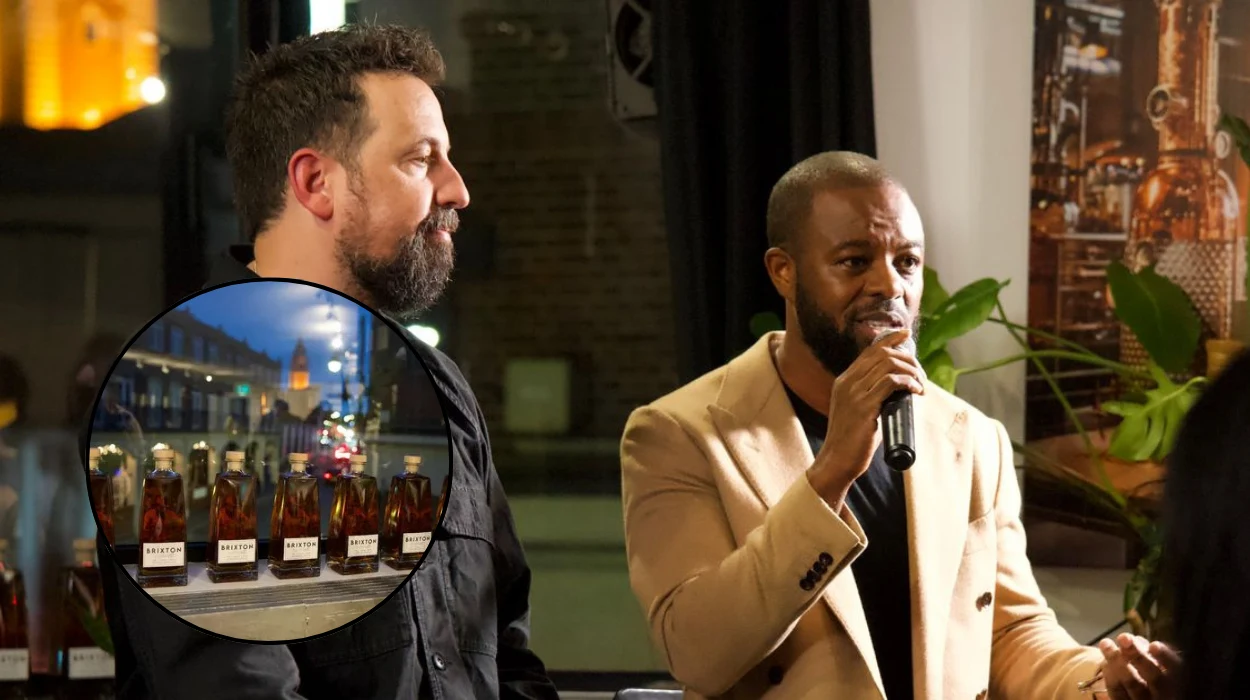
At the heart of Brixton’s cultural identity is its renowned rum scene, an emblem of the area’s Caribbean roots. The collective’s members, as detailed by journalists from various sources, work closely with local rum distillers, offering platforms for their products in events and retail spaces, thereby enhancing visibility and economic opportunity.
This collaboration also serves a cultural purpose, connecting the consumption and production of rum to Brixton’s wider historical narrative. Media reports emphasise that the collective promotes rum not just as a commodity, but as a symbol of resilience and heritage, reinforcing ties between the present community and its ancestral legacies.
What Challenges Does the Collective Face?
Despite its successes, the collective confronts significant challenges, including rising rents and redevelopment projects that threaten long-term community stability. Journalists have documented how gentrification pressures can displace local residents and businesses, undermining the collective’s goals.
The group has responded by advocating for policies that prioritise affordable housing and business spaces, campaigning for inclusivity in planning decisions, and raising public awareness about the impacts of gentrification on Brixton’s unique character.
What Have Media Outlets and Journalists Said?
The coverage of this Brixton story by various media outlets has been extensive and nuanced. As reported by local journalists, the collective’s efforts are seen as a beacon of community activism and cultural preservation. Reports from cultural and business journalists alike underline the importance of grassroots initiatives in maintaining urban diversity.
Statements directly from collective members, as shared in press interviews, reveal deep commitment and hope for sustainable cultural and economic futures in Brixton. Moreover, analyses by experts cited by the media contextualize Brixton’s situation within broader urban trends seen in major cities globally.