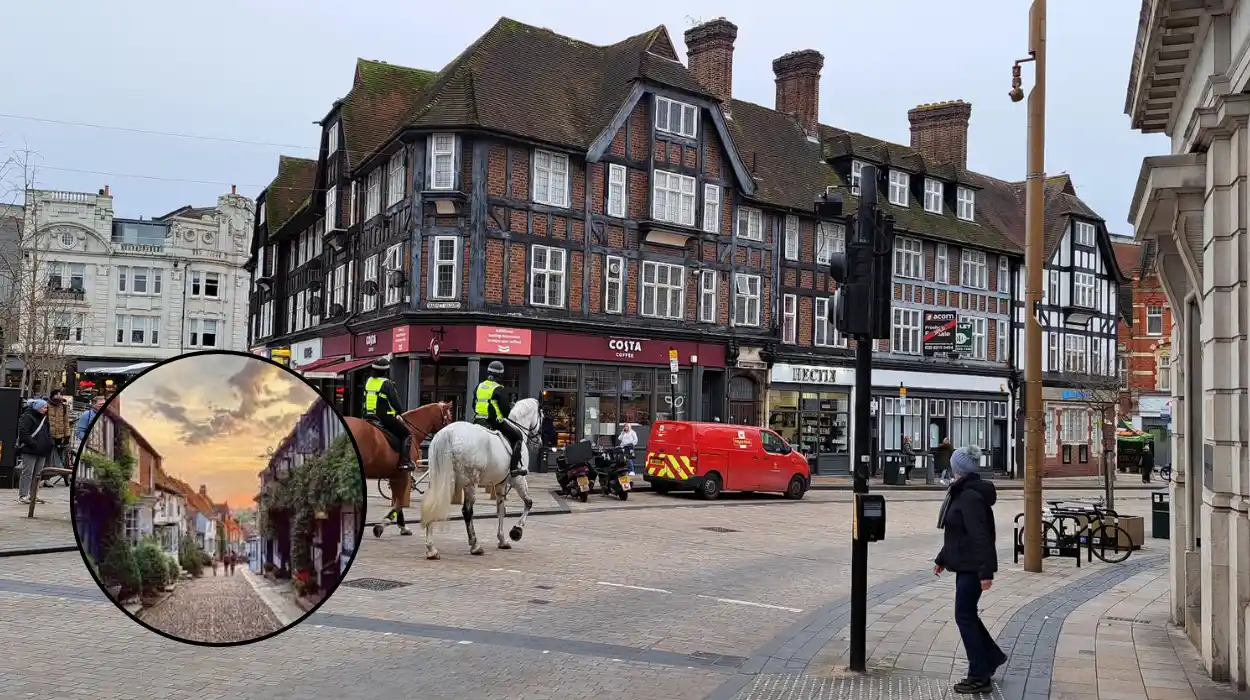
South East London is a distinct and dynamic part of London with a rich heritage and a lively present. From its ancient origins as a Roman settlement to its role as a center of culture and community, South East London offers a unique blend of history, multicultural vibrancy, and continuous regeneration. This comprehensive guide explores the key facets of South East London, making it an invaluable resource for residents, visitors, and anyone interested in this remarkable region.
Origins and Early History
South East London originally emerged from the settlement of Southwark, recorded in historical texts as Suthriganaweorc, meaning “fort of the men of Surrey.” This area became an important hub even in Roman Britain, with wealthy villas, inns for merchants, and homes for fisherfolk. Londinium, the Roman city, was connected to Southwark by a bridge and ferries, making this area a gateway for commerce and settlement.
The history of South East London is deeply entwined with some dramatic events. For example, the warrior queen Boudicca burned much of Southwark and Londinium in her revolt against the Romans. After this, Londinium recovered but fortified only the city itself, leaving Southwark comparatively open, which historically gave it a rougher, more tolerant character as a place for those outside the city walls.
During Anglo-Saxon and Viking times, areas such as Brixton, Charlton, and Kennington began to take shape. King Alfred the Great restored London around 886 AD, reinforcing Southwark’s significance as a defensive and governance center for Surrey. Viking invasions targeted South East London, but after multiple sieges, London remained resilient, adding to its historic legacy.
The Norman conquest marked another turning point when William the Conqueror ordered new churches and monasteries to replace Saxon buildings, more firmly rooting the area in medieval England. South East London’s recorded population during this period included places like Bermondsey with 72 households and Greenwich with around 34, illustrating its early growth.
Cultural Flourishing and Literature
South East London has a strong cultural identity shaped by literature and the arts. Geoffrey Chaucer’s The Canterbury Tales famously began at the Tabard Inn in Southwark, making this area a birthplace of English literature as it was written in the vernacular and accessible to many. Moreover, South East London thrived as a theater district, welcoming Shakespeare and Marlowe’s plays in the Bankside theatres when performances were banned in the City of London, known for its puritanical rules.
In the 18th and 19th centuries, South East London evolved into a leisure destination with places like Vauxhall and Woolwich becoming popular holiday resorts. The music halls, theatres, and pleasure gardens attracted visitors across London, adding to the area’s lively and diverse social fabric.
South East London’s Diverse Communities
Southeast London is one of the UK’s most culturally diverse areas, with notable Black communities that have shaped its social and cultural life. From the mid-20th century, Caribbean migrants settled here, overcoming racial discrimination and economic hardships to create vibrant community hubs characterized by strong church networks, especially Pentecostal congregations, and rich cultural festivities. The influence of African and Caribbean cultures is visible today in the local markets, food, music, and events such as the Peckham Festival and exhibitions hosted by the Black Cultural Archives.
Key Locations and Attractions
South East London is home to numerous historically and culturally significant locations:
- Greenwich: Famous for maritime history and the Cutty Sark ship, it is a UNESCO World Heritage site known for its park, Royal Observatory, and Greenwich Mean Time (GMT).
- Southwark: The original nucleus, with sites related to Roman London and rich literary history.
- Bermondsey, Peckham, and Deptford: These neighborhoods highlight South East London’s working-class roots and modern-day cultural diversity.
- Vauxhall: Once a renowned pleasure garden, now a vibrant nightlife and arts district.
The area also has thriving markets such as Deptford Market and Lewisham Model Market, offering a taste of the Caribbean and other cultures, affirming the vibrant multicultural life of the area.
Living and Moving in South East London Today
South East London is a blend of historic neighborhoods and new developments. It’s known for more affordable housing compared to parts of North and West London, attracting a mix of families, young professionals, and artists. The region benefits from extensive transport links such as the London Overground, National Rail, and the Docklands Light Railway (DLR), linking it efficiently to central London and beyond.
The area is also home to parks and green spaces, community centers, and local initiatives promoting sustainability and culture, enhancing its reputation as a friendly and evolving place to live.