Key Points
- Lambeth council in south London proposes a ‘tourist tax’ — an overnight levy on accommodation like hotels and short-term lets.
- The aim is to raise revenue for public improvements and promote Lambeth as a destination.
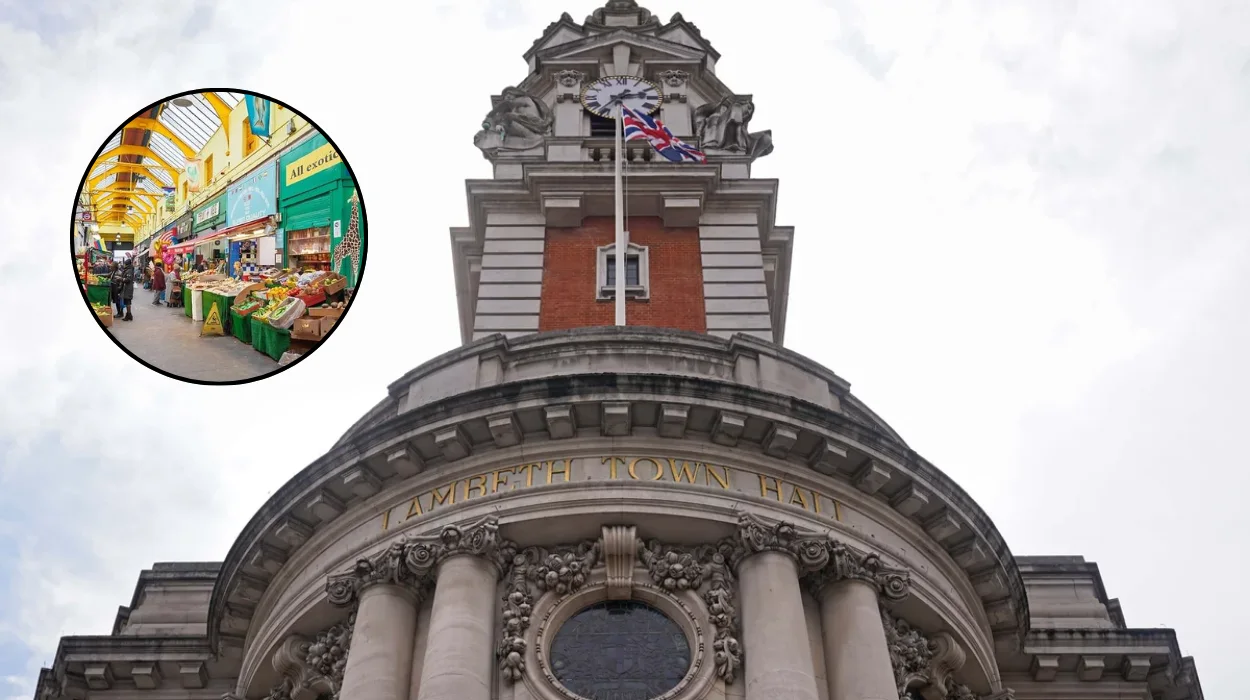
- Lambeth includes popular areas and attractions such as Brixton, Clapham, Vauxhall, the London Eye, the National Theatre, and Southbank Centre.
- Similar tourist taxes exist in Liverpool, Edinburgh, and Manchester; Manchester raised £2.8 million in its first year.
- Lambeth Labour calls the scheme the ‘Love Lambeth Levy’ intending funds for street cleaning and maintenance.
- Some local businesses oppose the tax, fearing it will reduce footfall and harm trade.
- Calls for the tax to be well-managed with proceeds reinvested into the community.
- Concerns raised about inconsistent application across London boroughs, such as Westminster not charging a similar levy.
What is the proposed tourist tax in Lambeth?
As reported by Metro journalist Jon Rogers, Lambeth council is seeking to introduce an overnight tourist levy across the borough, charging visitors a small fee on accommodation costs including short-term rentals and hotels. The council hopes this would provide vital funding to support local infrastructure and services impacted by tourism.
Lambeth Labour officially dubbed the proposal the ‘Love Lambeth Levy’ in a petition aimed at expanding funding for public realm improvements, such as street cleaning and general borough upkeep. The petition asserts:
“We’re incredibly proud of this, and we want to do everything we can as a council to expand and strengthen our borough as a leading destination to visit and live in.”
Why Lambeth is considering a tourist tax?
According to Time Out London, Lambeth is not traditionally seen as a tourist hotspot like central London areas but does host major attractions drawing millions yearly. These include iconic landmarks such as the London Eye, the National Theatre, and the Southbank Centre, all located on the South Bank, which sees approximately 200,000 visitors on weekend nights alone.
The reasoning shared by Lambeth Labour highlights the heavy foot traffic places a strain on local services which could be alleviated with targeted funding. The revenue from the tourist levy would be reinvested into maintaining the public realm and further promoting Lambeth’s appeal to both tourists and residents.
How have other cities implemented tourist levies?
Time Out UK documents that several UK cities, including Liverpool, Edinburgh, and Manchester, already operate tourist taxes on overnight stays. Manchester’s scheme is cited as a financial success; it generated £2.8 million within its first year, funding tourism-related infrastructure and community projects.
This provides a precedent and potentially persuasive example for Lambeth, illustrating how such a levy could bolster local budgets without overly burdening residents.
What do local businesses say about the tourist tax proposal?
Some business owners within Lambeth express opposition and concern about the potential negative impact on trade. A shop owner from Brixton Village told Metro,
“It’s a terrible idea for Brixton as we already have issues with footfall. Taxing people on top of that, in this economy, is not going to help.”
Andrew Murray-Watson, founder of the Brixton Village shop Guzzl, shared a more measured view with Metro:
“I’m not opposed to the idea, but it has to be properly managed and reinvested back into the community or the benefit of residents and tourists.”
Jack Lander, of the Bristol pizza chain Pizzarova, which has a branch in Pop Brixton, questioned the tax’s logic pointing out the inconsistencies within London boroughs:
“I didn’t understand how it would work if people weren’t charged for staying in Westminster but would be if they stayed in Brixton.”
What challenges might arise from implementing a tourist tax in Lambeth?
Metro and Time Out coverage reveal that opposing voices fear the tax may discourage visitors, exacerbating issues small businesses already face with customer numbers. There is also skepticism about whether the funds raised would be fairly or efficiently reinvested. The concern over uneven application between boroughs could confuse tourists or create imbalanced economic effects.
The success of Lambeth’s proposal will likely depend on engaging both residents and businesses in dialogue to design a transparent system that demonstrates clear benefits. Well-managed levies in other cities provide models that could inform Lambeth’s approach and address stakeholder concerns.