
South London is home to several well-known football clubs with deep histories that contribute to the identity of the area and the wider footballing world. Clubs such as Millwall, Crystal Palace, Charlton Athletic, AFC Wimbledon, Bromley, and Sutton United have colorful pasts that reflect both the social fabric of South London and the growth of English football.
Origins and Historical Development
South London’s football story begins in the late 19th and early 20th centuries. Millwall, founded in 1885, is the eldest among the major clubs in the region. Originally based in East London, Millwall relocated to South London in 1910, marking the start of a footballing tradition that endures today. Following Millwall, Crystal Palace and Charlton Athletic were both founded in 1905, soon embedding themselves in the burgeoning football culture of the city.
Crystal Palace and Millwall competed in the Southern Football League for ten seasons before joining the Football League in the 1920-21 season simultaneously with Millwall. Charlton Athletic turned professional in 1920 and joined the Football League the following year, competing alongside their South London neighbors for the first time.
Wimbledon were originally founded in 1889 but only joined the Football League as a professional team much later, in the 1977-78 season. This makes them one of the newer entrants in terms of league football. Their rivalries with Millwall and Charlton have become some of the most passionately followed derbies.
Other notable clubs such as Sutton United (founded in 1898) and Bromley (founded in 1892) have predominantly played in non-league football for most of their history. However, Sutton United achieved a landmark triumph by gaining promotion into the English Football League for the first time in the 2020-21 season and competed in League Two until 2024. Bromley, after over 130 years, also reached the Football League in 2024 following play-off success.
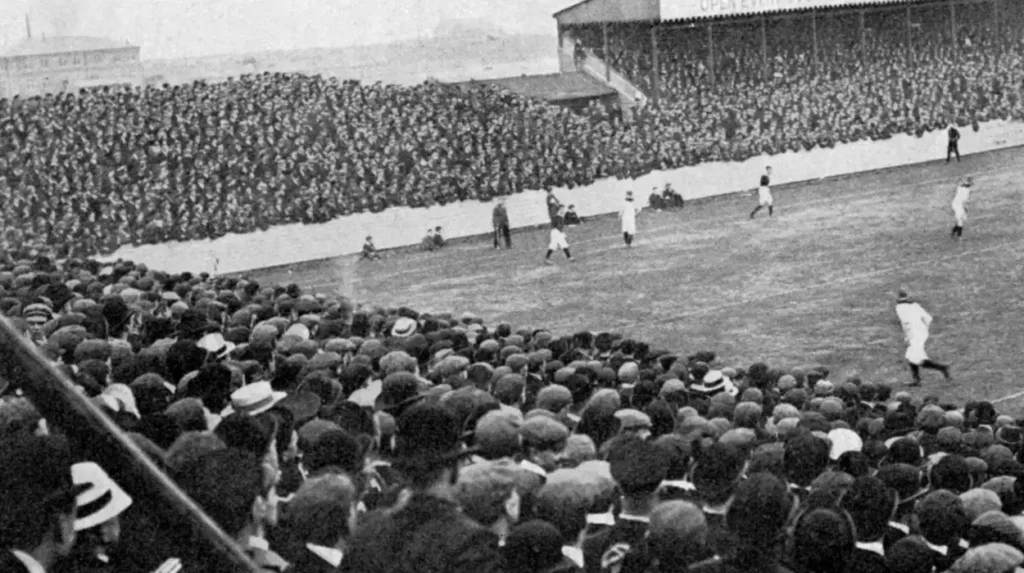
Iconic South London Derbies and Rivalries
Derbies between South London clubs are some of the most fiercely contested and defensively passionate matches in English football. The earliest known fixture that later became a South London derby took place in 1906 between Crystal Palace and Millwall, though at that time Millwall was still regarded as an East London club.
Millwall, Crystal Palace, and Charlton Athletic have since shared intense competitive rivalries fueled by proximity and history. AFC Wimbledon’s rise added fresh rivalries, particularly with Millwall and Charlton, who are both long-established clubs in proximity.
Sutton United’s recent entry into the Football League gave new life to local contests, especially with Wimbledon and Charlton. These matches spotlight the cultural and sporting passions that exist in South London’s football heartland.
Community and Cultural Impact
South London football clubs are more than just sporting entities; they serve as social anchors for their communities. Millwall’s identity, for instance, strongly reflects the working-class roots of the area around the Isle of Dogs and later South London neighborhoods. Crystal Palace is associated with the wider South London community around Selhurst and has cultivated a vibrant fan base proud of both tradition and contemporary style.
Charlton Athletic, once based in Woolwich, represents South East London and has a dedicated following reflective of the area’s diverse population. Wimbledon’s story, especially after the controversial relocation of the original Wimbledon FC and the rise of AFC Wimbledon by fans, embodies community resilience.
Sutton United and Bromley serve as examples of clubs that build community spirit further away from the top tiers of English football but still with passionate local support. Sutton’s rise into league football is seen as a triumph for grassroots football in South London.
Stadiums and Facilities
The clubs are housed in iconic stadiums that are part of South London’s sporting geography:
- Millwall plays at The Den, a stadium known for its intimidating atmosphere, reflecting the passionate support of the club.
- Crystal Palace’s Selhurst Park is one of the oldest football grounds in London, steeped in community and football history.
- Charlton Athletic’s The Valley is a historic venue with a storied past, recently refurbished and serving as a beacon for the local fanbase.
- AFC Wimbledon’s Plough Lane, built in recent years, symbolizes the club’s rebirth and fan-driven spirit.
- Sutton United and Bromley play in smaller, community-oriented stadiums that highlight their non-league and semi-professional origins.
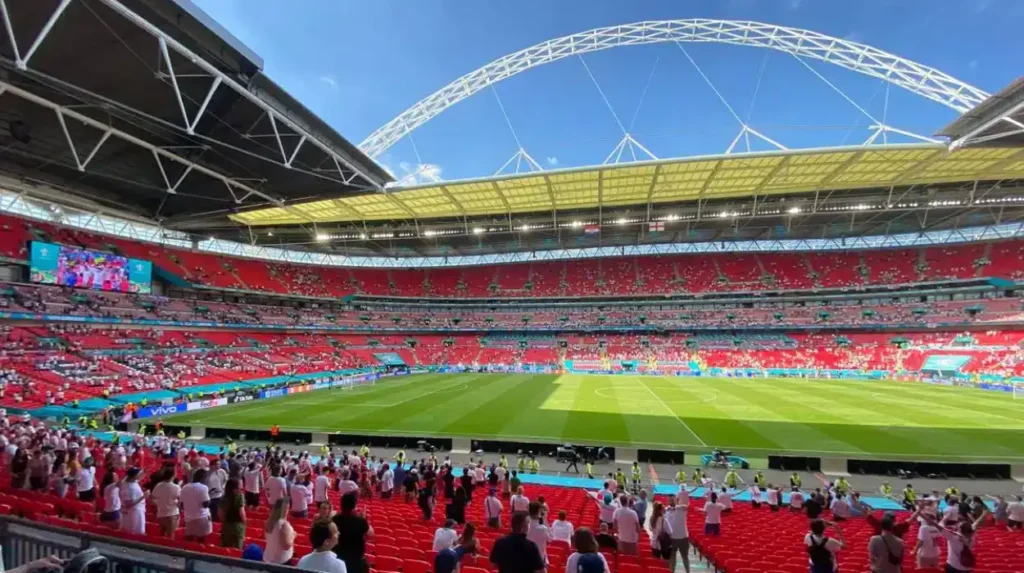
Why South London Football Clubs Matter Today
South London football clubs continue to thrive as symbols of local pride and sporting passion. They contribute to the economy, local identity, and social cohesion. With their rich histories and ongoing rivalries, these clubs provide compelling narratives for fans and neutrals alike.
They also have a broad appeal beyond sport, through community engagement, youth initiatives, and cultural representation. The story of South London football is deeply entwined with the history and development of football in London as a whole.
South London football clubs have epitomized passion, tradition, and community spirit since the late 19th century. From Millwall’s iconic Den to Crystal Palace’s historic Selhurst Park and the passionate fanbases of Charlton Athletic and AFC Wimbledon, these clubs carry stories that resonate across generations. Their rivalries, cultural impact, and continued presence in English football make them essential pillars of South London’s identity and pride.