Key Points
- Lambeth Council calls for a tourist tax to be implemented in London, specifically proposing an “Overnight Visitor Levy”.
- The levy would be a small charge on accommodation costs such as hotels and short-term rentals.
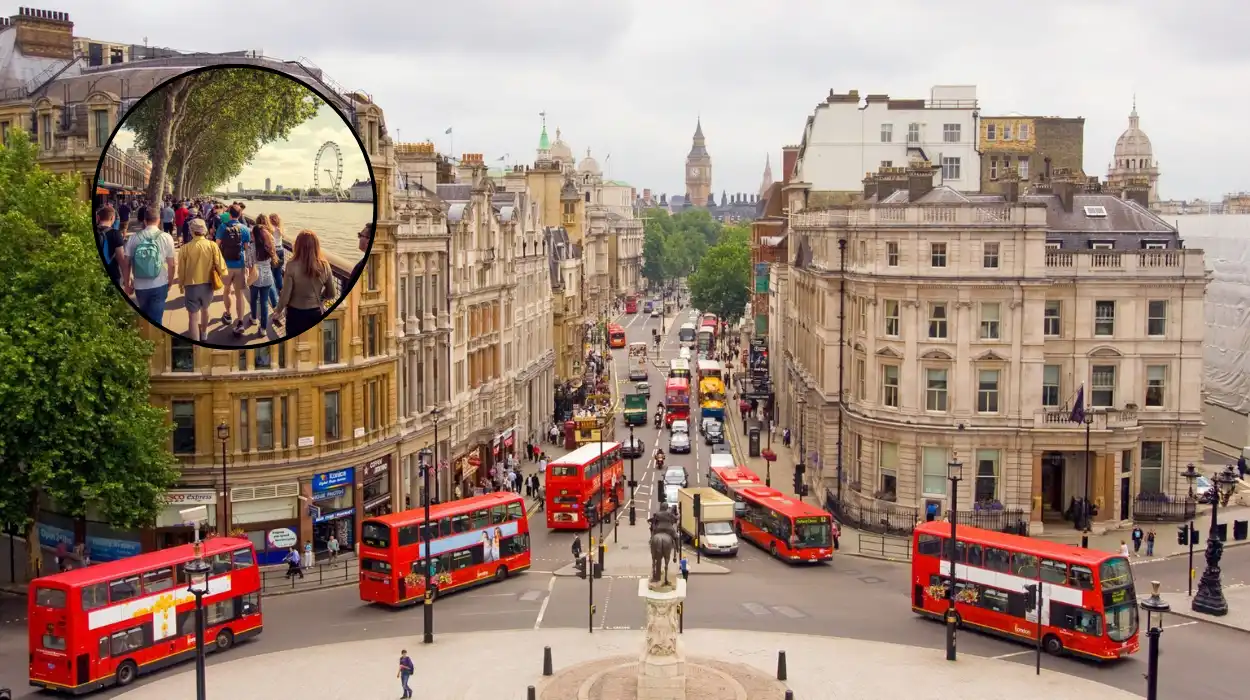
- The tourism industry in Lambeth, which includes iconic attractions like the London Eye and the National Theatre, faces increasing pressure on local services.
- Inspired by schemes in Manchester, Liverpool, and Edinburgh, the proposed tax aims to promote sustainable tourism.
- Similar proposals are in place in other European destinations, such as the Balearic Islands, where a steep tourist tax has caused controversy.
- The council argues that a London-wide tourist tax could raise hundreds of millions annually, supporting local infrastructure and services.
- Critics, including unions and industry stakeholders, contend the tax could deter visitors and harm economic growth.
- The debate highlights the broader issue of over-tourism and its impact on urban environments.
Is Lambeth Council’s Proposed Tourist Tax a Step Towards Sustainable Tourism in London?
Lambeth Council has recently intensified discussions on introducing a tourist tax across London, igniting debate about its potential benefits and drawbacks amid an increasingly saturated tourism sector. The proposal centres around an “Overnight Visitor Levy,” a small charge that visitors would pay on accommodation such as hotels and short-term rentals, with the goal of alleviating pressure on local infrastructure and promoting more sustainable tourism practices.
- Key Points
- What Is the Proposed Tourist Tax and How Will It Work?
- Why Is Lambeth Advocating for a Tourist Levy?
- How Do Other Cities Handle Tourist Taxes and What Are Their Outcomes?
- What Are the Arguments For and Against the Proposed Tourist Tax in London?
- Proponents’ Perspective
- Critics’ Concerns
- What Is the Broader Context and Future of Tourism in London?
What Is the Proposed Tourist Tax and How Will It Work?
The idea, as reported by (The Guardian), is to impose a modest levy on overnight stays for tourists in Lambeth—home to some of London’s most visited attractions—including the London Eye, the National Theatre, Brixton’s O2 Academy, and Oval Cricket Ground. Lambeth Labour has championed this initiative, arguing it could serve as a “fair and progressive” method to ensure the local community benefits from the economic strength of tourism without suffering from its adverse effects.
The council’s online petition states that “an overnight levy, sometimes called a tourist levy, would be a small charge paid by tourists and visitors on accommodation costs such as hotels and short-term lets”. The proposed scheme has drawn inspiration from pilot schemes in Manchester and Liverpool, where a £1 to £2 charge per night is currently under trial.
Why Is Lambeth Advocating for a Tourist Levy?
The push for a tourism tax stems from mounting concerns over the unsustainable levels of visitor influx, which place significant strain on the borough’s services, especially waste management, transport, and public amenities. As reported by (BBC News), the council highlights that tourism can generate substantial benefits but also exerts “growing pressure on key local services”.
A London-wide tourist tax could generate hundreds of millions of pounds annually, funding vital infrastructure repairs and enhancing city-wide services. The council’s notes suggest that a “modest discretionary charge” could ensure that the local community and public resources receive a fair share of the income generated by tourism.
How Do Other Cities Handle Tourist Taxes and What Are Their Outcomes?
Europe provides notable examples of similar schemes. In the Balearic Islands, which include Mallorca, Ibiza, and Menorca, a tourist tax was introduced with a steep €15 per day charge during peak summer months, as reported by (Daily Mail). Union leaders such as the Workers’ Commission (CCOO) have criticised this tax, arguing it primarily seeks to deter over-tourism rather than fund environmental or infrastructural improvements.
CCOO’s general secretary for the Balearics, José Luís García, voiced that “the tax is not an increase with a desire to collect but a dissuasive one,” aiming to signal that “there is no room for more people here in high season”. García further stressed that the government committed to increasing tourist taxes in 2024, but critics argue the implementation remains sluggish amid protests and demonstrations against mass tourism.
What Are the Arguments For and Against the Proposed Tourist Tax in London?
Proponents’ Perspective
Supporters like Lambeth Council argue that a tourist tax could:
- Help manage and mitigate the impacts of over-tourism.
- Generate substantial revenue to fund local services, especially waste collection, transport, and maintenance of iconic attractions.
- Promote sustainable tourism that has a fairer distribution of the economic benefits among communities.
- Draw inspiration from successful schemes elsewhere, which have raised millions annually.
Critics’ Concerns
Opponents, including members of the hospitality industry and unions, express concerns such as:
- The potential deterrence of tourists, adversely affecting local businesses and London’s economy.
- That the tax could disproportionately impact budget-conscious travelers and short-term visitors.
- Whether the revenue generated would be used effectively or simply serve as a burden on the tourism sector.
- To prevent over-tourism, critics argue more comprehensive measures—including visitor caps—are necessary, rather than relying solely on financial deterrents.
What Is the Broader Context and Future of Tourism in London?
The proposal comes at a time when London grapples with over-tourism, similar to other global cities like Venice and Barcelona. The challenge lies in balancing economic benefits with quality of life for residents and the preservation of historic sites. The debate over a tourist tax reflects this tension and the ongoing search for sustainable solutions.
As reported by (The Times), the UK government has expressed openness to local authorities exploring innovative measures to control visitor numbers, including digital monitoring and visitor caps, in addition to levies.
While no formal decision has been made yet, Lambeth Council’s proposal signifies a broader movement among urban centres worldwide to reform tourism management practices. Ultimately, the success of such initiatives depends on careful planning, stakeholder engagement, and transparent governance.
Lambeth Council’s call for a tourist tax encapsulates a growing trend in urban tourism management—aiming to strike a balance between economic gains and sustainable practices. Though controversial, if implemented effectively, this levy could serve as a model for other cities facing similar challenges. However, critics remain cautious, emphasizing that additional measures are necessary to truly address the impacts of over-tourism and ensure London’s cultural and economic vitality in the long term. The debate continues to unfold, with many eyeing the outcomes of pilot schemes in other UK cities and across Europe.