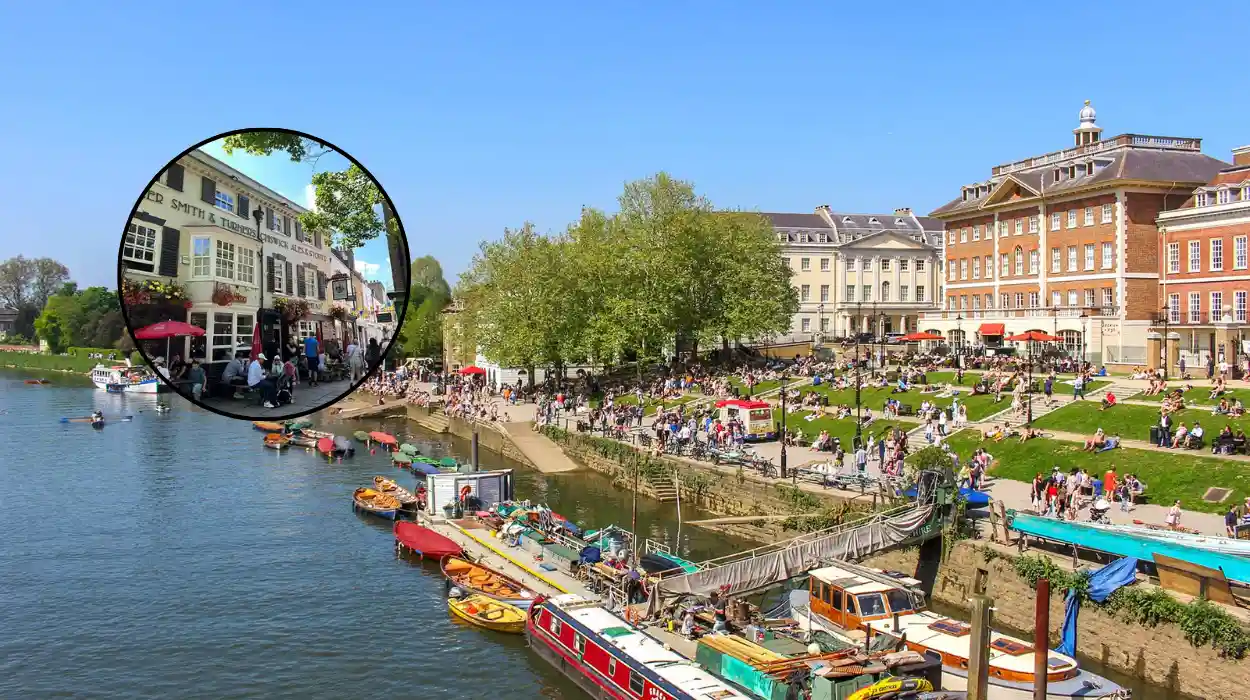
Richmond, nestled in southwest London within the London Borough of Richmond upon Thames, captivates with its royal heritage, lush green spaces, and elegant Georgian architecture along the River Thames. Originally known as Shene, this area transformed in the early 16th century when King Henry VII built Richmond Palace, naming it after his earldom in North Yorkshire. Today, it stands as an evergreen haven for South Londoners seeking history, nature, and vibrant community life.
- Royal Roots and Historic Evolution
- Iconic Landmarks and Architectural Treasures
- Nature’s Embrace: Parks and Riverside Bliss
- Cultural Pulse and Modern Lifestyle
- Outdoor Pursuits and Sporting Legacy
- Dining Delights and Culinary Scene
- Shopping and Artisan Finds
- Family-Friendly Adventures
- Why Richmond Endures for South Londoners
Royal Roots and Historic Evolution
Richmond’s story begins with medieval roots as part of the ancient parish of Kingston upon Thames in Surrey. Henry VII’s palace construction in 1501 elevated its status, drawing Queen Elizabeth I, who spent her final days there in 1603. By the 18th century, Richmond Bridge opened in 1777, linking the town to Twickenham and spurring Georgian terraces around Richmond Green and Hill, many now Grade I listed for their preserved elegance.
The railway’s arrival in 1846 integrated Richmond into London’s expansion, while 1890 marked its municipal borough status, later absorbing Kew, Ham, Petersham, and parts of Mortlake. In 1965, local government reforms created the modern London Borough of Richmond upon Thames from amalgamating Richmond and Barnes. This evolution preserved Richmond’s village-like charm amid urban growth.
Cricket on Richmond Green dates to the mid-18th century, with early inter-county matches, including a notable 1730 Surrey vs. Middlesex game. These sporting traditions underscore its role as a leisure hub.
Iconic Landmarks and Architectural Treasures
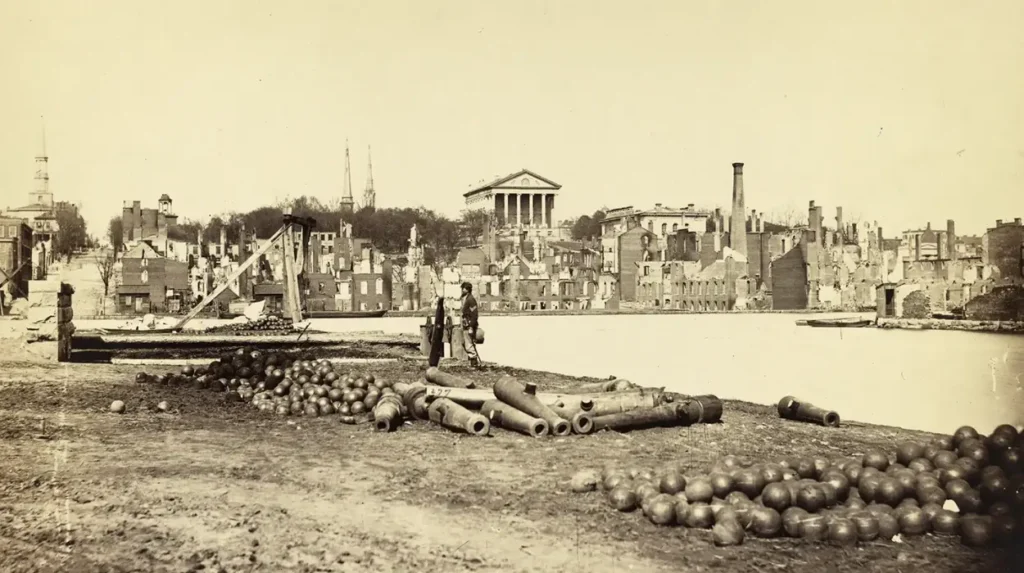
Richmond Palace ruins whisper Tudor grandeur, once a favored royal retreat. Richmond Bridge, a neoclassical marvel, remains a pedestrian favorite for Thames views. Georgian houses lining Richmond Hill, like Downe House and Wick House, reflect 18th-century fashion, drawing artists and elites.
Richmond Green hosts markets and events year-round, its 2.5-hectare expanse framed by historic pubs like The Prince’s Head. The hill’s crest offers panoramas immortalized in paintings, protected as a viewpoint since 1900. These sites blend accessibility with heritage preservation.
Nature’s Embrace: Parks and Riverside Bliss
Richmond Park, at 2,500 acres, is London’s largest royal park, home to 630 free-roaming deer and ancient oaks. Created by Charles I in 1637, it features Isabella Plantation’s azaleas and King Henry’s Mound, with Stonehenge and Canary Wharf vistas. Trails suit walkers, cyclists, and picnickers year-round.
Kew Gardens, adjoining Richmond, boasts UNESCO-listed botanical collections, glasshouses, and treetop walkways. The Thames Path winds through wetlands, ideal for spotting herons and rowers. These green lungs provide evergreen escapes from city bustle.
Petersham Meadows and Ham Lands offer wildflower meadows and ancient woods, fostering biodiversity.
Cultural Pulse and Modern Lifestyle
Richmond thrives as a cultural nexus with the Orange Tree Theatre staging intimate plays and the Richmond Theatre hosting stars since 1899. Independent shops on Hill Street and markets like Richmond Farmers’ draw foodies for artisan cheeses and street food.
Cafes overlook the Thames, while gastropubs like The White Cross serve seasonal dishes. Festivals, from Tudor-themed reenactments to summer jazz, keep traditions alive. This blend appeals to families and professionals alike.
Outdoor Pursuits and Sporting Legacy
Rowing clubs along the Thames host regattas, echoing Victorian enthusiasm. Cycling routes through Bushy Park link to Hampton Court Palace. Golf at Richmond Park Golf Course challenges amid deer herds.
Richmond Green’s cricket pitches continue 18th-century matches, with community teams playing weekly. Yoga in the park and paddleboarding ensure year-round activity.
Dining Delights and Culinary Scene
Richmond’s food scene shines with Petersham Nurseries’ Italian garden dining and Bingham Riverhouse’s Michelin-starred tasting menus. Hill Street buzzes with sushi at KaoSarn and vegan spots like The Gate.
Pubs like The Roebuck offer riverside roasts, pairing local brews from Twickenham Brewery. Markets emphasize sustainable, farm-fresh fare.
Shopping and Artisan Finds
Brewers Lane charms with boutiques like Lacy & Snake for gifts and The White Company for linens. Kew Gardens’ shop stocks rare plants, while Richmond Library hosts book sales.
Antiques on Lower Richmond Road attract collectors, blending high street ease with unique finds.
Family-Friendly Adventures
Richmond Treasure Trail engages kids with palace quests, while Mini Meadows farm offers pony rides. Kew’s Climbers and Creepers play area delights under-5s. Deer safaris in Richmond Park create magical outings.
Why Richmond Endures for South Londoners
Richmond’s seamless mix of history, green spaces, and contemporary vibrancy makes it South London’s evergreen jewel. Average property prices hover around £800,000, reflecting desirability, with excellent schools like Grey Court topping leagues. Commuter links via District Line reach central London in 25 minutes.
Sustainable initiatives, like the borough’s tree-planting drives, enhance its appeal. For locals, it’s not just a place—it’s a lifestyle of timeless beauty and community spirit.