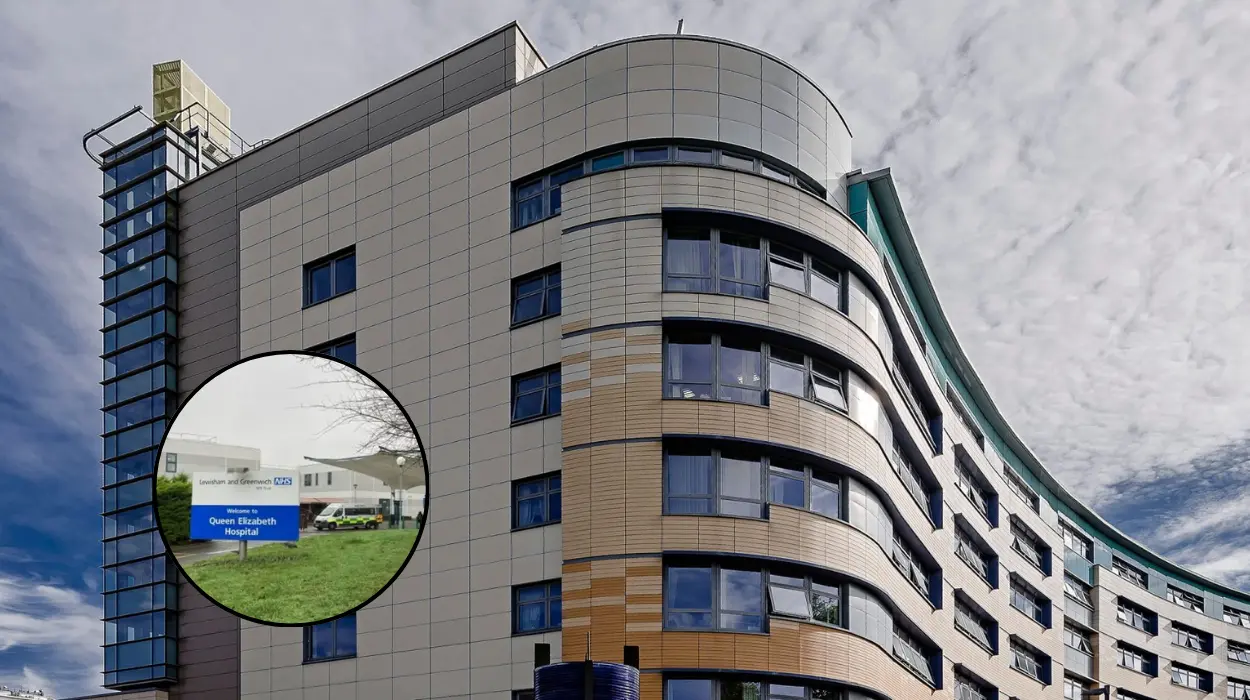
Lewisham Hospital in south London, formally known as University Hospital Lewisham, is a major NHS teaching hospital serving the London Borough of Lewisham and surrounding areas such as Catford, Brockley, New Cross and Deptford. Run by Lewisham and Greenwich NHS Trust, it offers a wide range of acute services including emergency care, maternity, children’s services, surgery, medicine and critical care, making it a central healthcare hub for many local families. Its position close to Lewisham town centre means it benefits from strong public transport links, drawing patients and staff from across south-east London.
Historical roots and development
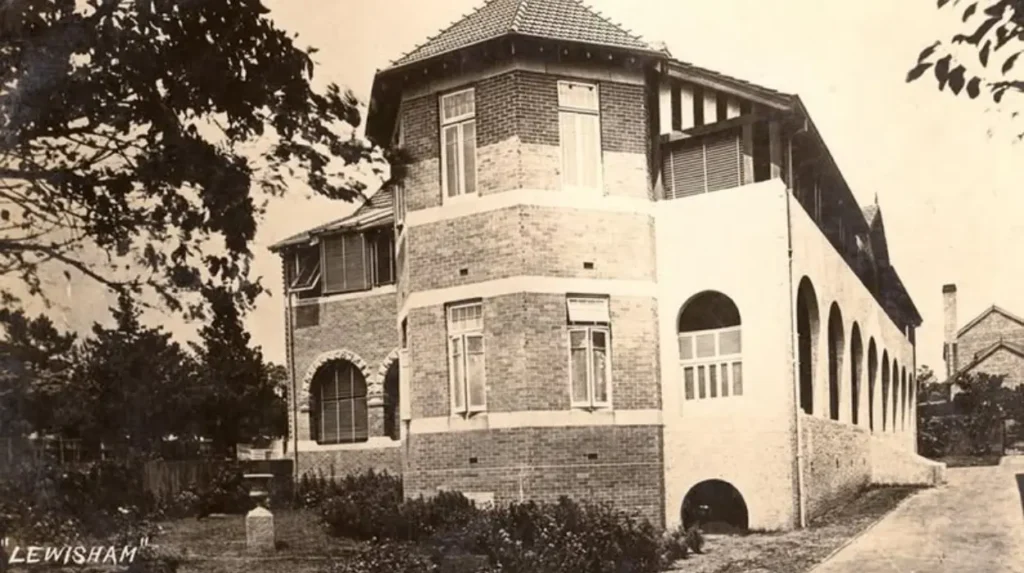
The story of Lewisham Hospital goes back to the early seventeenth century, when a house on Rushey Green was left to the parish in 1612 for the support of local poor residents, marking the beginnings of institutional care on the site. Over time, this early facility evolved into a more formal workhouse, with a new building completed in 1817 and expanded after the creation of the Lewisham Poor Law Union in 1836 to cope with a growing local population. By the late nineteenth century, dedicated infirmary blocks and wards for long-term illness signalled a gradual shift away from traditional workhouse functions towards a recognisable hospital role.
From infirmary to NHS hospital
During the late nineteenth and early twentieth centuries, additional facilities such as maternity beds, isolation wards and surgical services were added, reflecting new medical practices and rising expectations of healthcare. The site played a part in national events, acting as a military hospital during the First World War and suffering damage in the Second World War before being repaired and upgraded. In 1948, it became part of the newly formed National Health Service and continued to expand with modern outpatient departments, operating theatres, a special care baby unit and intensive care facilities to meet the needs of a rapidly changing south London.
Becoming University Hospital Lewisham
As links with universities and medical schools deepened, the hospital adopted the name University Hospital Lewisham to reflect its role in training doctors, nurses, midwives and allied health professionals. This teaching function means students work alongside experienced clinicians, bringing research-informed practice and new ideas into everyday care for local residents. A significant step in its physical development was the opening of the Riverside Building in 2007, which provided modern clinical space and incorporated photovoltaic panels to generate some of its own electricity, aligning with wider sustainability ambitions in the NHS.
Key services for south Londoners
Lewisham Hospital provides a broad mix of services that cover the main health needs of adults, children and babies in south-east London. Core provisions include a 24-hour Emergency Department for adults and children, maternity and obstetric services, neonatal and special care baby units, general medicine and elderly care, and a range of surgical specialties supported by operating theatres and critical care. These clinical areas are backed by diagnostics such as imaging and laboratories, together with therapy services including physiotherapy, occupational therapy and speech and language therapy that support rehabilitation and recovery.
Place in the local community
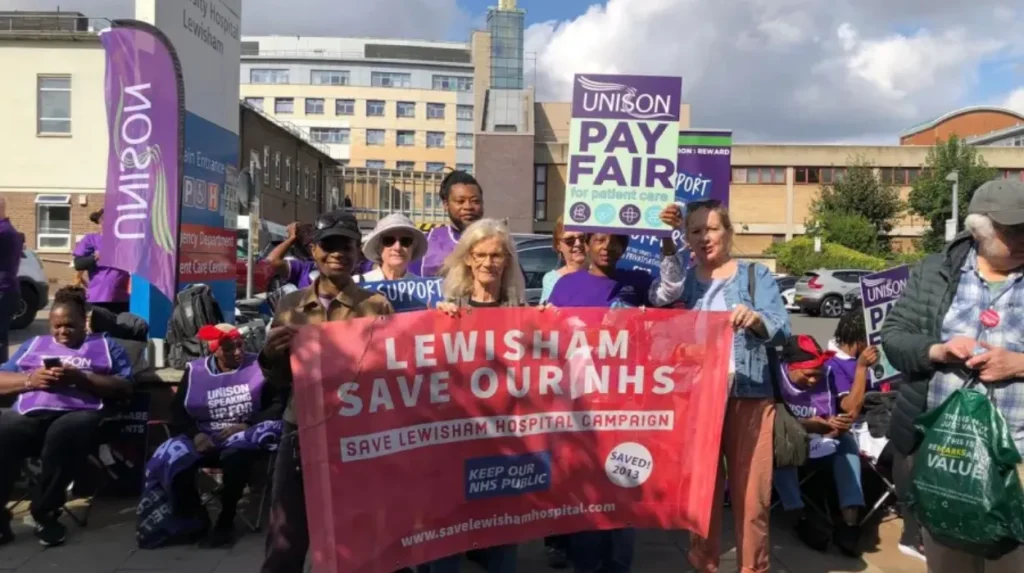
For many people living in Lewisham, Catford, Forest Hill, Sydenham and neighbouring districts, Lewisham Hospital is the first point of contact for urgent treatment, pregnancy care and children’s health needs. Its long history on essentially the same site has created strong emotional and practical ties, with generations of families born, treated or working within its walls. Community campaigns to protect and develop services, especially around emergency and maternity care, show how closely local identity is tied to the hospital and how strongly residents value having accessible services within the borough.
Access and transport
The hospital’s proximity to Lewisham town centre makes it straightforward to reach from much of south-east London using public transport. Lewisham railway and DLR stations are a short walk or brief bus journey away, offering frequent connections from central London and suburban routes, while a network of bus services operates along Lewisham High Street and surrounding roads with stops near the site. Main roads such as the A21 and the South Circular provide road access, but parking is limited and subject to change, so many visitors rely on trains, DLR or buses when travelling to appointments or visiting relatives.
Distinctive characteristics
One of the most distinctive aspects of Lewisham Hospital is the way its origins as a seventeenth-century parish workhouse have evolved into a modern district general and teaching hospital without breaking its local connection. It is notable for having opened the first intensive care unit in an English district general hospital in 1968, reflecting an early commitment to advanced critical care close to where people live. Its formal teaching hospital status, history of community campaigning and investment in more sustainable buildings such as the Riverside development add further layers to its character as a south London institution.
Addressing local health needs
The borough of Lewisham and neighbouring areas face significant health challenges, including inequalities in life expectancy, long-term conditions and mental health. As a major acute provider, the hospital works alongside GPs, community services and public health teams to support early diagnosis, long-term condition management and specialist clinics for issues such as cardiovascular disease, diabetes and respiratory illness that are common in urban populations. By hosting screening, antenatal and child health services, and partnering with local organisations, it contributes to wider efforts to improve outcomes and narrow health gaps between neighbourhoods.
Using services sensibly
Residents in south London can help ensure Lewisham Hospital remains available for those who most need it by following long-standing principles about how to access care. When someone has a life-threatening emergency such as severe chest pain, breathing difficulty or major trauma, calling 999 or attending the Emergency Department is appropriate, whereas for less urgent issues advice from NHS 111, a GP or local primary care service is often more suitable. Attending planned outpatient appointments, letting staff know in advance if plans change and using community pharmacies for minor ailments all help to reduce unnecessary pressure on hospital departments.
Looking ahead
Like other hospitals across London, Lewisham Hospital continues to adapt to new treatments, digital technologies, workforce changes and population growth. Future developments are likely to focus on maintaining safe core services locally while collaborating with other south-east London providers to share specialist expertise, improve estates and expand virtual and community-based care where appropriate. Throughout these changes, its long history, strong educational links and deep roots in the Lewisham community are expected to remain central to its identity and to its role in supporting the health of south Londoners.