The London Borough of Sutton emerged from ancient Surrey parishes like Beddington, Carshalton, Cheam, Sutton, and Wallington, with mentions in the 1086 Domesday Book describing a modest settlement of two churches and 30 houses. Growth accelerated after the 1755 turnpike road to Brighton turned it into a coaching stop, and the 1847 railway arrival fueled suburban expansion, granting Sutton and Cheam municipal borough status in 1934. In 1965, the London Government Act unified these into the modern borough, transitioning from Surrey to Greater London, with Sutton Council officially taking charge on April 1 that year to handle local governance.
Council Structure and Leadership
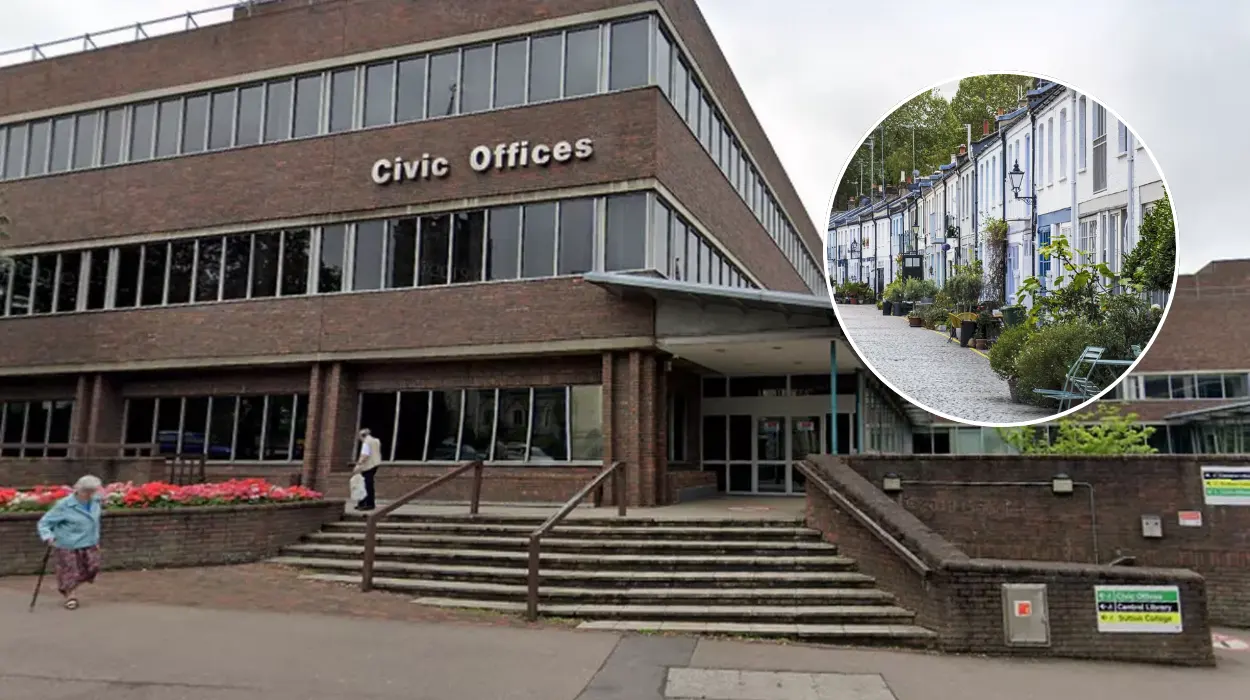
Operating from the Civic Offices on St Nicholas Way—a 1970s building eyed for High Street relocation—Sutton Council features 55 councillors across 20 wards post-2022 boundary reviews. Liberal Democrats dominate with 29 seats, followed by Conservatives at 21, Labour with 2, and 3 independents as of 2025; elections occur every four years. Ceremonial Mayor Colin Stears (Liberal Democrat) and executive Leader Barry Lewis, in role since May 2024, guide decisions on council tax, planning, and services like education and social care, in line with Greater London Authority frameworks.
Key Services for Residents
Sutton Council delivers essential aids including Council Tax Reduction, Housing Benefit for low-income families, and crisis support, accessible via sutton.gov.uk. Waste management runs efficiently, with holiday schedules like Christmas 2025 collections detailed online, while social care supports over 2,000 disabled adults through assessments and partnerships like Sutton Carers Centre. Planning promotes sustainable development complementing regional policies, covering housing allocations and business rates collection.
Education Excellence
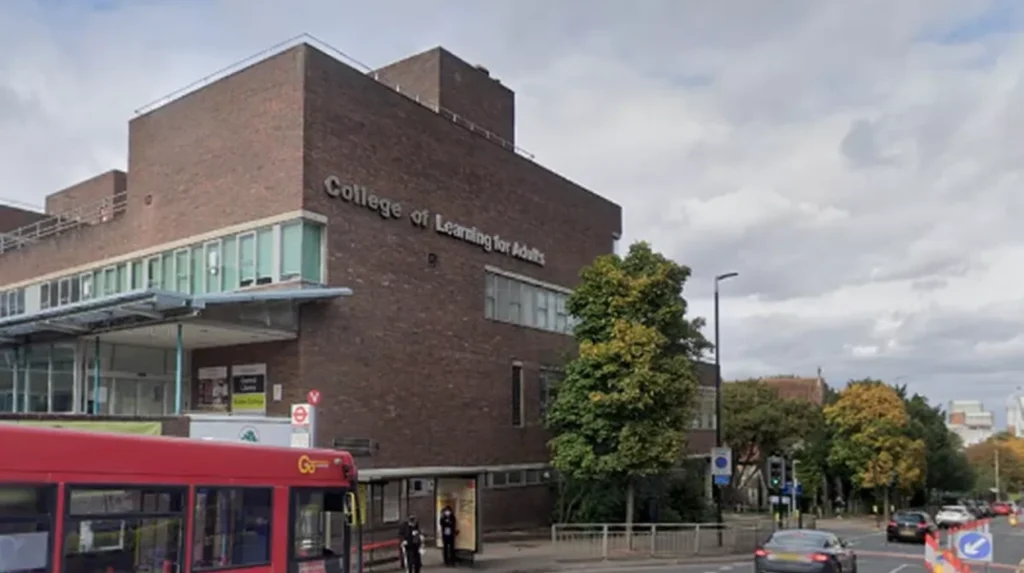
Sutton shines in education with five grammar schools and top national rankings; in 2011, 74.7% of pupils achieved five good GCSEs including English and Maths—15% above average. Schools like Nonsuch High for Girls and Sutton Grammar for Boys prioritize local admissions, while Stanley Park High earned “Best Secondary School” in the 2016 TES Awards for inclusivity. Sutton College of Learning for Adults (SCOLA) offers over 1,000 part-time courses, bolstered by primaries ranking joint third nationally in 2013 Ofsted data.
Green Spaces and Environment
Boasting 1,500 acres of parks, Sutton features Nonsuch Park from Henry VIII’s palace era and Oaks Park with its 1750s villa, plus reserves like Roundshaw Downs for rare flora and Spencer Road Wetlands for kingfishers. BedZED in Hackbridge pioneered zero-carbon living since 2002 using CHP and recycled materials, while the Sutton Ecology Centre and lavender fields nod to its “Lavender Capital” past.
Cultural Highlights
The carbon-neutral Sound Lounge hosts music and art, alongside historic gems like Grade I-listed Carew Manor and Whitehall Museum tracing 500 years of life. Honeywood Museum delves into River Wandle history, public mosaics celebrate Nonsuch Palace, and St Mary the Virgin boasts William Morris screens.
Transport and Connectivity
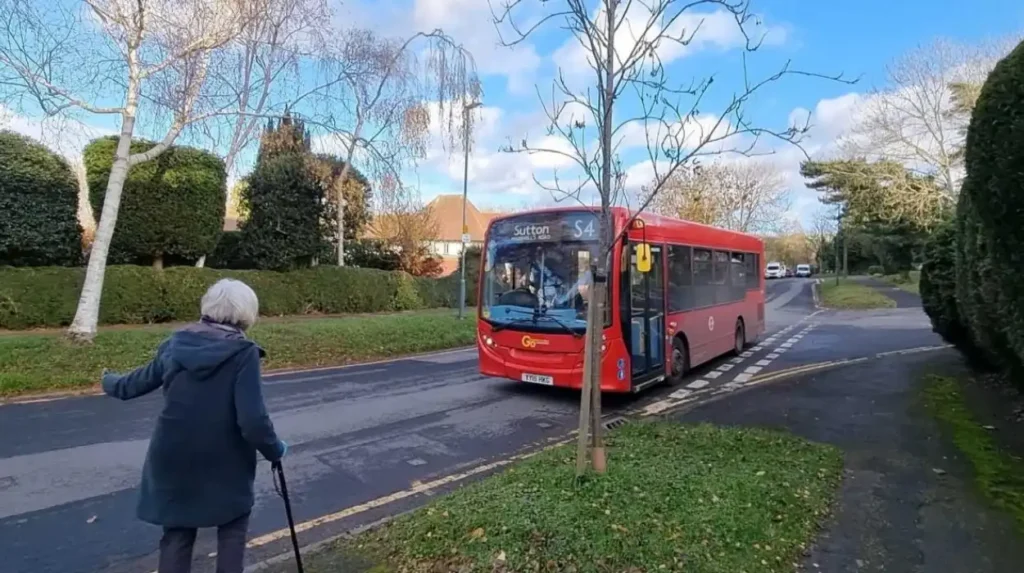
Rail links to Victoria, London Bridge, and St Pancras via the Sutton Loop, plus Tramlink at Therapia Lane and buses like SL7 to Heathrow, ensure seamless access; 33% drive and 6.6% train per 2011 census. Cycle routes and North Downs proximity enhance eco-friendly travel.
Sports and Community
Sutton United F.C. graces Gander Green Lane in the National League, with rugby at Sutton and Epsom RFC and tennis at Sutton Academy. As a 2010 Big Society vanguard, 91% of residents deem it a “great place,” with community plans emphasizing health.
Future Vision Under Sutton Council
Leader Barry Lewis steers green initiatives, community farms, and engagement like gritter-naming, amid a diverse population (57.2% White British, 31.7% ethnic minorities in 2021). Visit sutton.gov.uk for updates on this model South London borough.