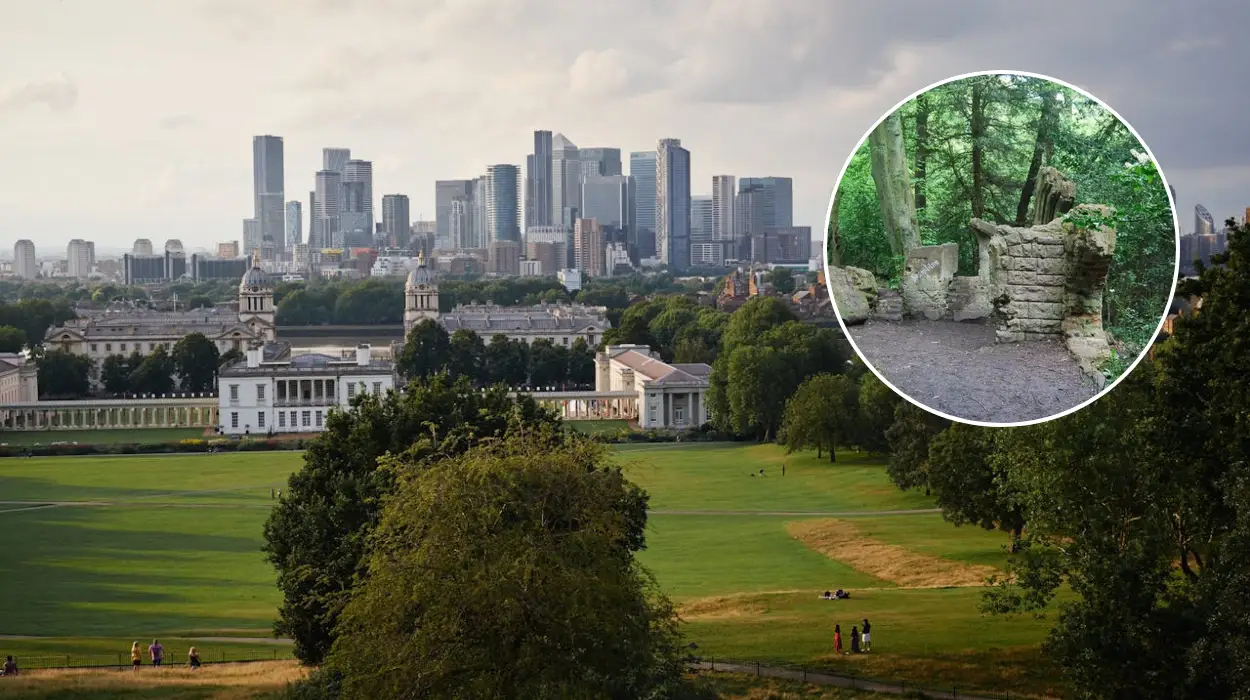
Abbey Wood, a hidden gem in South London, blends ancient woodlands, historic ruins, and modern suburban charm, making it an ideal spot for residents seeking nature and community. This evergreen guide explores its rich history, attractions, and lifestyle perks for South London locals.
Historic Roots
Abbey Wood traces its name to Lesnes Abbey, founded in 1178 by Richard de Luci, chief justiciar to King Henry II, as an Augustinian monastery dedicated to St. Mary and St. Thomas the Martyr. The abbey flourished until its suppression in 1525 under Cardinal Wolsey, one of the earliest closures during the Dissolution of the Monasteries, with buildings largely demolished except the Abbot’s Lodging. Post-dissolution, the site passed through owners like Henry Cooke in 1541 and Thomas Hawes by 1632, eventually linking to Christ’s Hospital.
In the 19th century, amid London’s burial crisis, reformer Edwin Chadwick eyed Abbey Wood for a vast east London cemetery, proposing closure of inner-city graveyards while expanding Kensal Green for the west. The railway station opened in 1849, spurring “The Village” development at Knee Hill. These layers cement Abbey Wood’s enduring historical allure.
Ancient Woodlands
Abbey Wood’s 166-hectare ancient woodland, a Geological Site of Special Scientific Interest (SSSI), captivates with Eocene-era fossils like 55-million-year-old shells and shark teeth exposed in its quarries. Managed by Bexley Council and Natural England, it features trails through oak, hornbeam, and sweet chestnut, plus wildflower meadows and ponds teeming with wildlife. Visitors often spot woodpeckers, deer, and butterflies, ideal for family walks or foraging blackberries in autumn.
The wood’s geology draws amateur paleontologists; permits allow fossil hunting in designated pits, revealing tropical forest remnants from when Britain neighbored Africa. Linking to nearby Bostall Woods and Halifax Park, it forms a vast green lung for South Londoners escaping urban hustle.
Key Attractions
Lesnes Abbey ruins, acquired by London County Council in 1930, now offer free public access with preserved walls, a herb garden, and picnic spots; artefacts reside in Greenwich Heritage Centre and Bexley Museum. Nearby, the Crossness Pumping Station, a Victorian marvel with ornate ironwork, hosts steam engine demos celebrating Thames sewage pioneer Joseph Bazalgette.
Thamesmead’s modern architecture, including brutalist towers from the 1960s-70s, contrasts with nature; the Elizabeth Line’s 2022 Abbey Wood extension slashed commutes to central London. Local parks like Guston Road Recreation Ground add playgrounds and sports pitches for community vibes.
Modern Development
Post-WWII, the London County Council erected the Abbey Estate (1955-1959), 3,000 brick homes with gardens on former Royal Arsenal marshland, initially sans shops but later adding schools, pubs, and greenspaces. Drainage upgrades in 1964 at Belvedere Road supported growth.
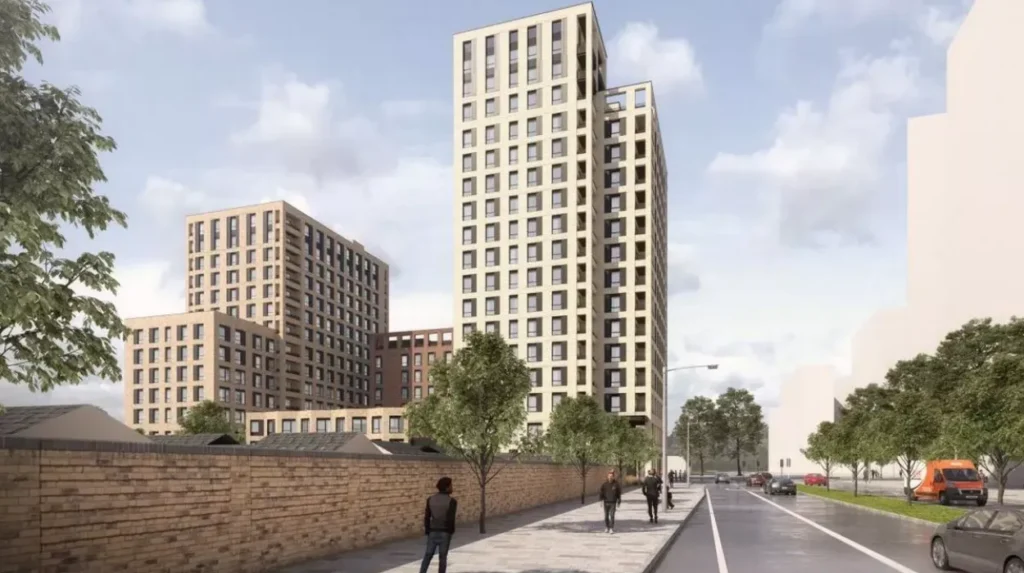
Today, regeneration via Peel Holdings eyes sustainable housing and retail, boosting property values amid Crossrail connectivity. Diverse communities thrive with multicultural eateries serving Caribbean, Turkish, and South Asian fare, reflecting South London’s vibrancy.
Community and Lifestyle
Abbey Wood suits families with Ofsted-rated schools like Abbey Wood School and St. Paul’s Academy, plus nurseries and youth clubs. Healthcare via Oxleas NHS Foundation Trust covers mental health, while shops at Abbey Wood Village hub provide Tesco, independents, and cafes.
Commuting shines: Southeastern and Elizabeth Line trains reach London Bridge in 20 minutes, Canary Wharf in 15. Cycling paths to Woolwich and buses link Bexley and Greenwich. Annual events like Abbey Wood Festival foster neighborly bonds.
Outdoor Activities
Hiking trails loop Abbey Wood’s 10km paths, with bluebells in spring and fungi hunts in fall; dog walkers love off-leash zones. Angling at River Shuttle and picnics at Lesnes Abbey draw crowds. Nearby Nuxley Ponds offer birdwatching for herons and kingfishers.
Fitness enthusiasts join parkrun Saturdays at Lesnes Abbey Woods, a free 5km event building community fitness. Kayaking on the Thames or bike rides via National Cycle Route 1 connect to Erith and Dartford.
Dining Scene
Local gems include The Abbey Arms pub for roasts and craft ales, family-run since Victorian times. Yi Yuan offers authentic dim sum, while Caribbean spots like Patty Palace serve jerk chicken. Independent cafes like The Woodman brew artisan coffee amid woodland views.
Markets at St. Nicholas Church sell fresh produce, halal meats, and baked goods, supporting South London’s foodie culture. For upscale, nearby Belvedere’s gastropubs elevate Thameside dining.

Property Insights
Average house prices hover at £400,000-£500,000 for three-beds, cheaper than Greenwich (£600k+), appealing to first-time buyers. New-builds via Berkeley Homes promise energy-efficient homes with gardens. Rentals average £1,500/month for two-beds, with yields attracting investors.
Sustainability shines: many homes feature solar panels, aligning with Bexley Council’s green agenda. Proximity to Elizabeth Line enhances appeal for hybrid workers.
Getting Around
Abbey Wood station anchors transport, with Elizabeth Line to Heathrow and Reading. Buses 180, 301, B15 link Woolwich Arsenal and Bexleyheath. Driving via A206 accesses M25 in 15 minutes.
E-bikes and Santander Cycles expand options, with secure parking at stations. Walking scores high, with 80% amenities under 20 minutes’ stroll.
Regeneration plans include 2,800 homes, a hotel, and retail by 2030, per Bexley Council, without losing green space. Crossrail boosts economy, drawing tech firms to Thamesmead’s creative quarter.
Climate resilience via woodland expansion combats flooding, ensuring Abbey Wood’s evergreen status as South London’s balanced retreat.