Key Points
- Several protesters from the campaign group and community organisation Acorn disrupted a full meeting of Lambeth Council on Wednesday evening, January 21, 2026.
- The interruption occurred within the first hour of the meeting, as protesters stood up in the public gallery.
- Protesters demanded an end to the local authority’s use of bailiffs to collect council tax from residents who have fallen behind on payments.
- They called for “a fairer and more humane approach to council tax”.
- The disruption happened immediately after Leader of Lambeth Council, Claire Holland, finished presenting the Cabinet Statement.
- The council’s webcast was paused, and the meeting was suspended for almost 30 minutes as a result.
- Acorn’s Lambeth branch stated it had tried to contact Claire Holland twice over the past month but received no reply.
- The group also claimed it had tried to write to Claire Holland but did not receive a response.
- A Lambeth Council spokesperson told the Local Democracy Reporting Service (LDRS) that the council is already writing to Acorn in response to their letter, received just before Christmas, setting out the work Lambeth does in supporting people to pay their council tax.
Lambeth, (South London News) January 21, 2026 – Several protesters disrupted a full meeting of Lambeth Council on Wednesday evening as they demanded an end to the local authority’s use of bailiffs to collect council tax from people who have fallen behind on payments.
- Key Points
- What Happened at the Lambeth Council Meeting?
- Why Did Acorn Protesters Disrupt the Meeting?
- Who Is Claire Holland and What Was Her Role?
- How Did Lambeth Council Respond to the Protest?
- What Is Acorn and What Are Their Broader Goals?
- When and Where Exactly Did the Protest Occur?
- What Is Council Tax and Why Bailiffs?
- Has Lambeth Council Faced Similar Protests Before?
- What Do Critics Say About Bailiff Use in Council Tax Collection?
- How Does This Fit Into Wider UK Council Tax Debates?
- What Happens Next for Acorn and Lambeth Council?
- Broader Context: Cost-of-Living Pressures in South London
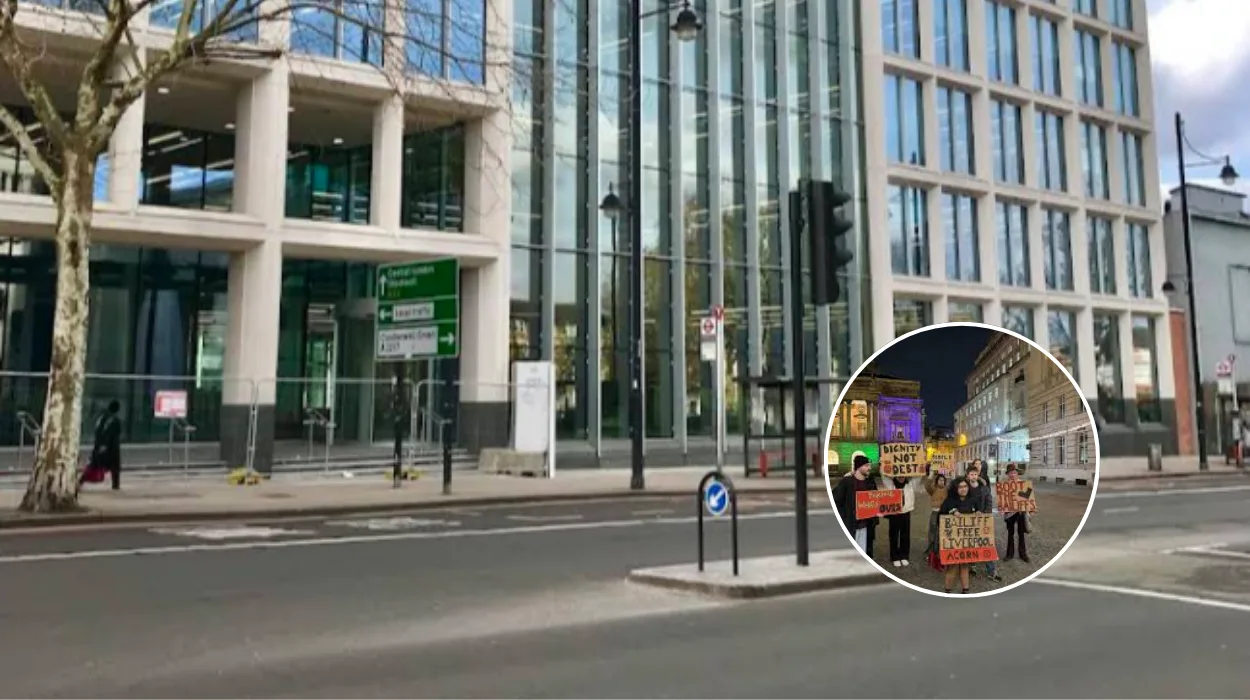
Members of the campaign group and community organisation Acorn interrupted the meeting within the first hour, standing up in the public gallery and calling for
What Happened at the Lambeth Council Meeting?
The disruption took place during a full council meeting at Lambeth Council. Protesters from Acorn’s Lambeth branch interrupted proceedings shortly after Leader Claire Holland had just finished presenting the Cabinet Statement. As reported in the initial coverage by MyLondon News, this led to the council’s webcast being paused and the meeting suspended for almost 30 minutes.
No further details from other media outlets on the exact sequence of events during the suspension have emerged, but the primary account confirms the protesters’ actions were confined to the public gallery. The meeting resumed after the nearly half-hour pause, though specifics on the resumption are not detailed in available reports.
Why Did Acorn Protesters Disrupt the Meeting?
Acorn members stood up to demand an end to bailiff use for council tax collection, highlighting what they see as aggressive enforcement tactics. They explicitly called for “a fairer and more humane approach to council tax”, pointing to the impact on vulnerable residents struggling with payments.
According to Acorn’s Lambeth branch statements relayed in MyLondon News coverage, the group had attempted prior engagement. They said they had tried to contact council leader Claire Holland twice over the past month but did not receive a reply. The group went on to state that its members had also tried to write to Claire Holland, but did not receive a response.
This lack of response appears to have prompted the direct action at the meeting. Acorn framed their protest as a necessary escalation after unsuccessful attempts at dialogue.
Who Is Claire Holland and What Was Her Role?
Claire Holland, Leader of Lambeth Council, had just finished presenting the Cabinet Statement when the protesters interrupted. Previously referenced in MyLondon News reporting on related council matters, Holland is the key figure addressing the Cabinet Statement, which precedes the disruption.
No direct quote from Holland on the protest itself is available in the reports. Her presentation marked the timing of the interruption, placing her at the centre of the moment the meeting was halted.
How Did Lambeth Council Respond to the Protest?
A Lambeth Council spokesperson provided the official response to the Local Democracy Reporting Service (LDRS). The spokesperson told the LDRS:
“The council is already writing to Acorn in response to their letter, received just before Christmas, setting out the work Lambeth does in supporting people to pay their council tax.”
This statement counters Acorn’s claims of non-responsiveness by noting an ongoing reply process to a pre-Christmas letter. It emphasises the council’s existing efforts to support council tax payers, though no specifics on those efforts are elaborated in the response.
The suspension of the meeting for almost 30 minutes and pausing of the webcast indicate immediate procedural measures to handle the disruption.
What Is Acorn and What Are Their Broader Goals?
Acorn is described as a campaign group and community organisation focused on tenant and resident rights, including council tax issues. Their Lambeth branch led this specific action, interrupting to spotlight bailiff enforcement practices.
The group’s demands centre on reforming council tax collection to be “fairer and more humane”. By standing in the public gallery, they ensured visibility during a public meeting, amplifying their message to councillors and viewers via webcast before it was paused.
Acorn’s prior attempts to contact Claire Holland twice and via letter underscore a strategy of escalation from correspondence to protest when responses were absent.
When and Where Exactly Did the Protest Occur?
The protest disrupted a full meeting of Lambeth Council on Wednesday evening, January 21, 2026. Lambeth, located in South London, hosted the event, with protesters acting within the first hour from the public gallery.
The timing—immediately post-Cabinet Statement—maximised attention, leading to the 30-minute suspension and webcast pause.
What Is Council Tax and Why Bailiffs?
Council tax funds local services in the UK, but arrears lead to enforcement, including bailiffs. Protesters targeted Lambeth Council’s use of bailiffs for those behind on payments, arguing it lacks humanity.
Acorn’s call for a “fairer” approach implies alternatives like payment plans or support over doorstep collections. Lambeth Council’s response highlights their support work, but details remain in the forthcoming letter to Acorn.
Has Lambeth Council Faced Similar Protests Before?
Available reports do not detail prior Acorn actions at Lambeth specifically, but the group’s pre-Christmas letter suggests ongoing engagement. MyLondon News coverage positions this as a response to unanswered communications, indicating this disruption follows attempted quieter advocacy.
Claire Holland has been linked to council leadership discussions in prior MyLondon reporting, though not directly to bailiff protests.
What Do Critics Say About Bailiff Use in Council Tax Collection?
Acorn’s position, as voiced in the meeting, criticises bailiff deployment as inhumane for struggling residents. Their interruption demanded systemic change, with no missed details on their stated grievances.
Lambeth’s spokesperson rebuts by affirming support measures, promising elaboration in the response letter.
How Does This Fit Into Wider UK Council Tax Debates?
Council tax enforcement via bailiffs is contentious across UK local authorities, with groups like Acorn campaigning nationally. This Lambeth incident reflects broader tensions over arrears amid cost-of-living pressures, though localised to South London.
No multi-source corroboration beyond MyLondon and LDRS appears, keeping focus on the specific event.
What Happens Next for Acorn and Lambeth Council?
Acorn awaits the council’s letter outlining support for tax payers. The meeting’s resumption suggests no lasting halt, but the protest ensures public spotlight on bailiffs.
Lambeth’s commitment to reply addresses Acorn’s non-response claims, potentially averting further disruptions if deemed satisfactory.
Broader Context: Cost-of-Living Pressures in South London
Residents falling behind on council tax often cite financial strain. Acorn’s action highlights bailiffs’ role in recovery, contrasting council support claims. Full details from the letter may clarify Lambeth’s strategies.
This event underscores community pushback against enforcement amid economic challenges.