Woolwich captivates as a dynamic district in South London, weaving together centuries of maritime heritage, industrial grit, and contemporary vibrancy. Perfect for locals seeking deeper roots or newcomers exploring beyond central London, this evergreen guide uncovers why Woolwich remains timelessly appealing.
- Ancient Origins Along the Thames
- Rise of Naval Supremacy
- The Royal Arsenal’s Industrial Might
- Victorian Boom and Social Evolution
- Iconic Military Landmarks
- Architectural Treasures and Street Art
- Modern Regeneration Wave
- Bustling Markets and Culinary Delights
- Lush Parks and Nature Escapes
- Seamless Transport Connections
- Multicultural Community Fabric
- Education Hubs and Skills Growth
- Retail and Local Business Buzz
- Year-Round Events Calendar
- Living the Woolwich Lifestyle
- Woolwich’s Promising Horizon
Ancient Origins Along the Thames
Woolwich’s history stretches back thousands of years to the Bronze Age, where archaeological digs along the Thames waterfront have unearthed tools, pottery, and settlements dating over 3,000 years old. The district’s name evolved from Old English “Wolewic,” translating to “wool trading place,” signaling its role as a Saxon commerce hub on the river’s south bank. Roman artifacts further cement its prehistoric importance, making Woolwich one of South London’s earliest continuously inhabited areas with a legacy of trade and community.
Rise of Naval Supremacy
From the Tudor era, Woolwich emerged as Britain’s naval powerhouse when Henry VIII founded the Woolwich Dockyard in 1512, establishing the Thames’ first royal shipbuilding facility. This yard crafted legendary vessels like the Harry Grace à Dieu for conflicts including the Spanish Armada, employing thousands and shaping a shipwright culture central to local identity. By the 17th century, its innovations propelled the Royal Navy’s global dominance, forever linking Woolwich to Britain’s seafaring past.
The Royal Arsenal’s Industrial Might
The 1716 establishment of the Royal Arsenal transformed Woolwich into Europe’s premier munitions center, producing gunpowder, cannons, and shells that armed the empire. Peaking during World War I with over 100,000 workers, it symbolized South London’s industrial zenith, with vast factories sprawling riverside. This complex not only fueled military victories but also pioneered engineering feats, leaving an indelible mark on the area’s architecture and workforce traditions.
Victorian Boom and Social Evolution
The Industrial Revolution supercharged Woolwich as Thames Ironworks from 1837 built ironclad wonders like HMS Warrior, the world’s first armored warship. Population exploded from 8,000 in 1801 to 120,000 by 1901, fueled by railways in 1849 and ferry links, while factories and warehouses defined the skyline. Amid growth came reforms—model housing, public baths, and early labor movements—addressing overcrowding and pollution, influences echoing in today’s urban designs.
Iconic Military Landmarks
Woolwich’s military soul endures in the Royal Artillery Barracks, constructed 1771-1806, boasting Britain’s largest parade ground for events like Trooping the Colour rehearsals. The preserved heritage of Firepower Museum highlights Arsenal innovations from cannon casting to modern rocketry, now integrated into cultural sites. Towering above is the 1923 Woolwich Clock Tower, a 23-meter riverside sentinel commemorating this martial legacy.
Architectural Treasures and Street Art
St Mary’s Church, designed by Christopher Wren in the 1730s, enchants with its galleried nave and ancient graveyard, a serene contrast to urban bustle. The 1906 Edwardian Town Hall, with its majestic dome, now pulses as a creative hub for performances. Modern icons like the rebuilt Royal Woolwich Pier in 2016 offer sweeping Thames vistas, complemented by vibrant murals on Shooter’s Hill honoring local legends and the Thames Path’s scenic trails.
Modern Regeneration Wave
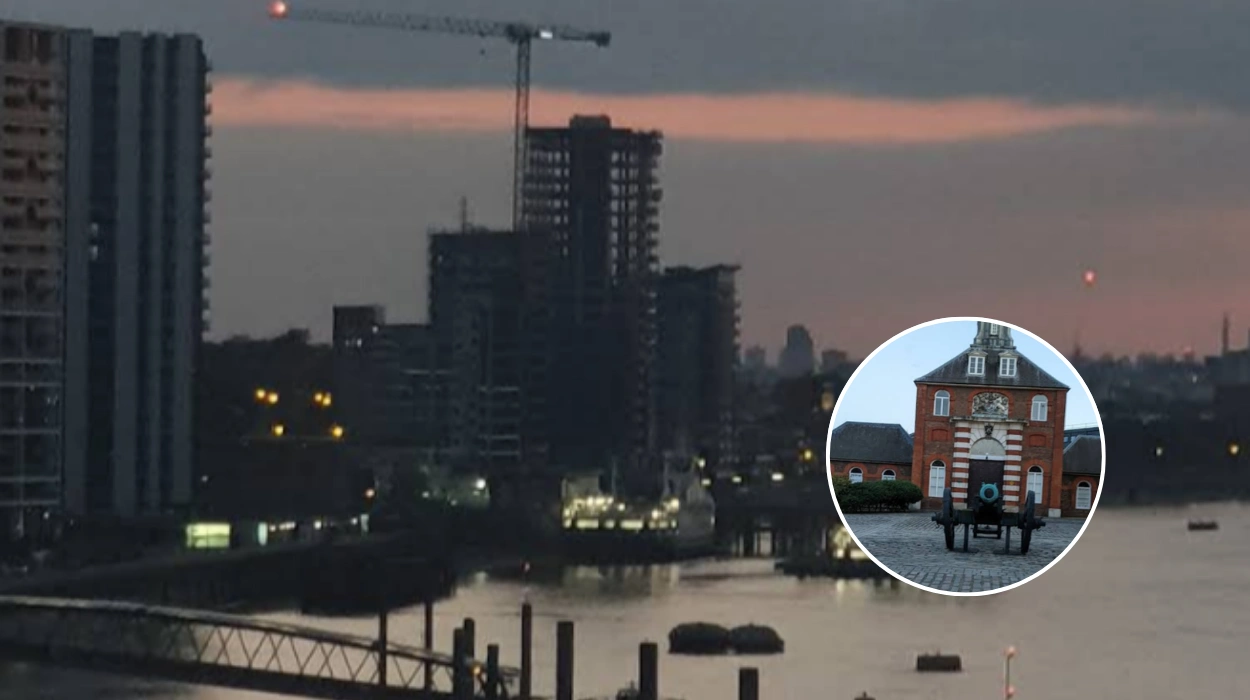
Post-1960s decline from dockyard and Arsenal closures reversed with Crossrail’s Elizabeth Line in 2018, cutting central London commutes to minutes and sparking a renaissance. Woolwich Works, launched 2021 in the former Town Hall, buzzes with theatre, dance, and workshops, drawing diverse crowds. Initiatives like Royal Arsenal Riverside deliver 15,000 sustainable homes, blending luxury, affordability, and green spaces such as Maryon Park for a forward-looking community.
Bustling Markets and Culinary Delights
Chartered in 1618, Woolwich Market thrives daily with stalls brimming in fresh produce, halal meats, spices, and multicultural wares, reflecting a population where over 40% hail from non-white British backgrounds. The Square’s pop-ups host food festivals, while eateries span Turkish meze at Anatolia, Caribbean jerk shacks, and Thames pubs like Dial Arch pouring craft beers. This scene embodies South London’s flavorful, inclusive spirit.
Lush Parks and Nature Escapes
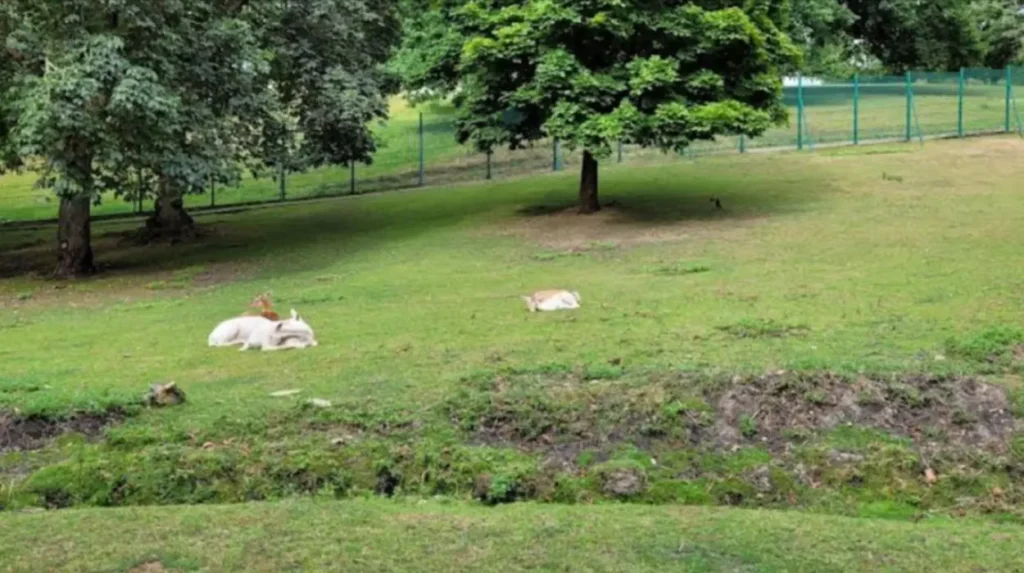
Maryon Wilson Animal Park, rooted in 19th-century woods, delights with free-roaming deer, peacocks, and Victorian follies amid tranquil trails. Ancient Shooter’s Hill Woods shelter Severndroog Castle, a 1784 Gothic folly offering 360-degree panoramas. Thames Barrier Park impresses with manicured gardens and a playful slide, while Thames cycling paths connect to Greenwich for family outings or solo adventures.
Seamless Transport Connections
Woolwich excels in accessibility, with Elizabeth Line trains whisking passengers to Paddington in 10 minutes via Woolwich station. The free Woolwich Ferry, running since 1889, shuttles 2 million across to North Woolwich every half-hour, a scenic staple. DLR links to Canary Wharf, buses, and cycle hires promote car-free living in low-traffic zones, enhancing pedestrian-friendly vibes.
Multicultural Community Fabric
Woolwich pulses with diversity from post-war Caribbean, South Asian, and African waves, where over 100 languages mingle daily. Woolfest unites through music, dance, and crafts, while faith hubs like Guru Nanak Sikh Temple and St Patrick’s Church bridge divides. Grassroots efforts in the Woolwich Creative District nurture youth via arts, tech, and entrepreneurship programs.
Education Hubs and Skills Growth
Institutions like St Peter’s Catholic Academy and Shooter’s Hill Post-16 deliver top-tier learning, alongside Greenwich University’s engineering-focused Woolwich campus. Public libraries run free courses in coding, history, and more, with apprenticeships booming in construction amid regeneration. These resources empower residents for thriving careers in a evolving economy.
Retail and Local Business Buzz
General Gordon Square anchors shopping with indie boutiques, vintage troves, and artisan makers. Weekend Multi-Storey Car Park Market draws crowds for unique finds, paired with riverside IKEA fueling nearby cafes. This mix sustains a resilient local economy, prioritizing community over chains.
Year-Round Events Calendar
Woolwich vibrates with festivals like the annual Woolwich Festival’s live music and fireworks. Armed Forces Day salutes military heritage with parades, while riverside runs and Thames Clipper races add thrill. Winter Christmas markets enchant the square, ensuring constant engagement across seasons.
Living the Woolwich Lifestyle
Rents average £1,500 for a one-bed, 20% below London norms, offering value amid rising appeal from Crossrail. Commutes rival anywhere at 15 minutes to Canary Wharf, with abundant markets, parks, and gyms enriching daily life. The welcoming, diverse vibe shines, though regeneration brings construction hum and peak crowds—trade-offs for a district on the rise.
Woolwich’s Promising Horizon
Plans target 20,000 jobs by 2030 through tech and creative clusters, with a proposed Thames Crossing tunnel to Silvertown boosting links. Sustainability leads via solar-clad barracks and electric ferries, cementing Woolwich as South London’s innovative gateway for generations ahead.
From dawn ferries to dusk markets, Woolwich delivers authentic South London essence—history alive in every corner.